


'/%3e%3c/svg%3e)

- By Indication
 Inflammatory and Autoimmune DiseasesRespiratory DiseasesInfectious DiseasesRare DiseaseGut Microbiota Research ServiceBy Modality
 Preclinical Model Strategies for T-Cell Engagers: From Oncology to Autoimmune Disease
 2026-10-27
 11:00 AM ET
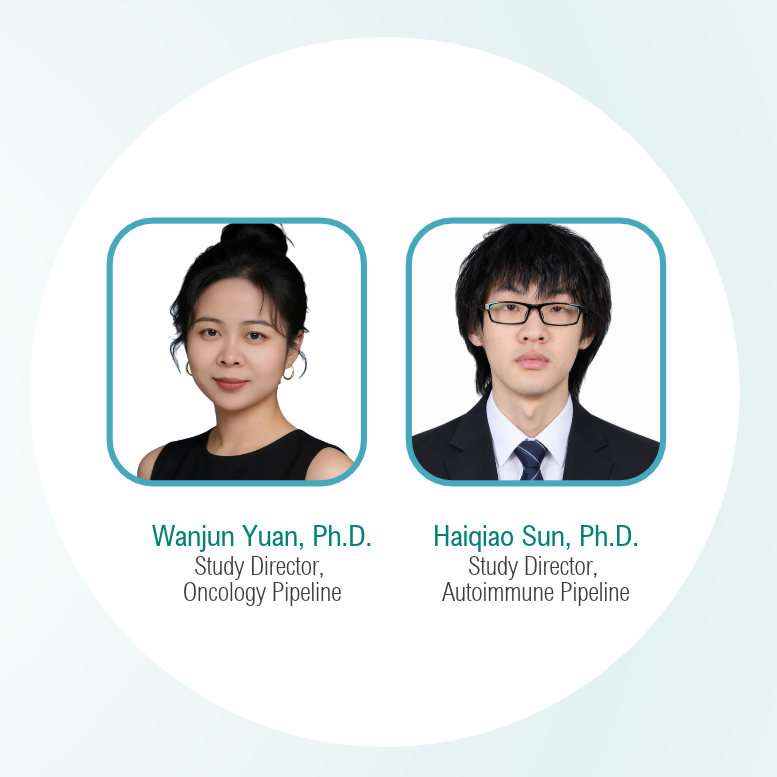 Dr. Wanjun Yuan & Dr. Haiqiao SunOne TCE Modality. Two Disease Contexts. Different Preclinical Questions.

'/%3e%3c/svg%3e)
'/%3e%3c/svg%3e)

Rare Disease
From Patient Priorities to Research Tools: GemPharmatech and the Bloom Syndrome Association Advance a Novel Approach to Rare Disease Research and Development
Bloom syndrome is an ultra-rare genetic disorder caused by mutations in the BLM gene, with approximately 300 cases reported since it was first described in 1954. This blog explores the non-profit Bloom Syndrome Association’s patient-centered approach to rare disease research and development and one concrete result of its collaboration with GemPharmatech: a conditional Blm mouse model designed for broad research use.
 2026-08-19
Patients affected by a rare disease face an uphill battle not only in securing treatment, if it exists, but often struggle to even obtain knowledge about the disease itself. Bloom syndrome is one such case: an ultra-rare genetic disorder caused by mutations in the BLM gene, with approximately 300 cases reported since it was first described in 1954. People with Bloom syndrome face serious symptoms, including a highly elevated lifetime risk of cancer; moreover, the underlying DNA-repair defect can complicate standard cancer treatment. In these situations, it isn’t drug developers blazing a path forward for therapeutic development, but rather the families who are affected by the disease that are driven to create non-profit organizations to tackle the challenge. This blog explores the non-profit Bloom Syndrome Association’s patient-centered approach to rare disease research and development and one concrete result of its collaboration with GemPharmatech: a conditional Blm mouse model designed for broad research use.
What is Bloom syndrome (BSYN) and the Bloom Syndrome Association?
Bloom syndrome is an ultra-rare genetic disorder caused by mutations in the BLM gene, which encodes a RecQ-family helicase essential to DNA replication, repair, and genome stability. When BLM function is lost, cells accumulate chromosomal instability. The disease is associated with short stature, immunodeficiency, and a markedly elevated lifetime risk of many types of cancer. The same DNA-repair defect can also make standard cancer treatment more complex, underscoring the need for disease-informed research and care.
In 2008, Paul and Susan Zaslaw, whose daughter has Bloom syndrome, attended the first ever Bloom syndrome patient & family research conference in Chicago. Inspired and wanting to ensure that this relationship between families and researchers would continue, they founded the Bloom Syndrome Association (BSA) four years later. Today, the BSA connects, educates, and supports the international Bloom syndrome community while stimulating research that leads to longer, healthier lives. It also brings families, clinicians, scientists, and partners together to translate community priorities into coordinated research action.
The Inaugural Bloom-Rx Workshop
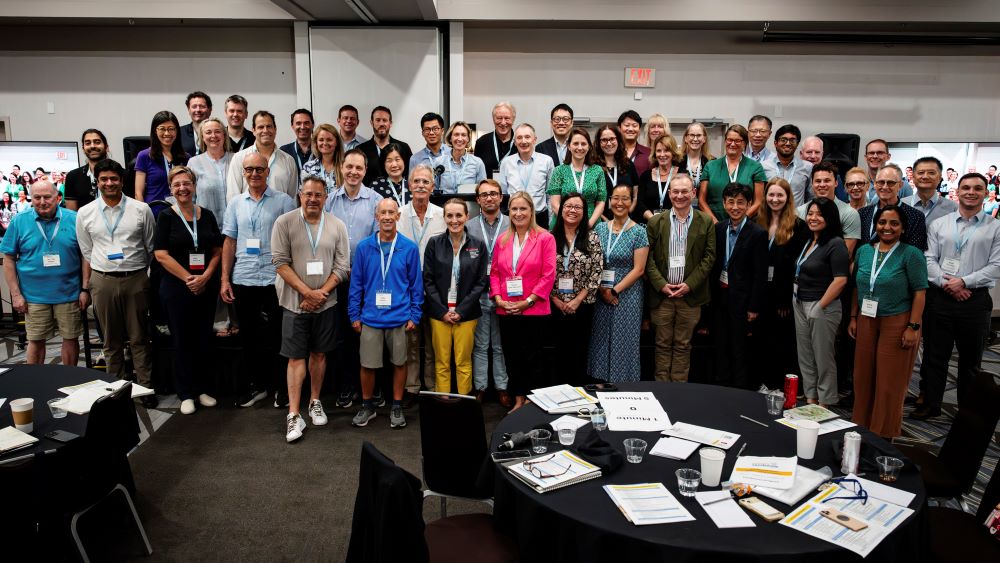
This year the BSA convened the inaugural Bloom-Rx: The Bloom Syndrome Research Exchange, their first-ever dedicated scientific and clinical workshop held alongside their biannual patient and family conference. As an event sponsor, GemPharmatech was offered the chance to see firsthand how a group of motivated volunteers is able push the needle of scientific development.
More than 60 researchers and clinicians from around the world joined sessions on BLM biology and genome instability, model systems, clinical manifestations, translational pathways, and emerging approaches to treatment and cures. While the model systems session included a wide breadth of available preclinical tools including, iPSCs, organoids, zebrafish, and cell-line engineering, mouse models were a focal point in translational development.
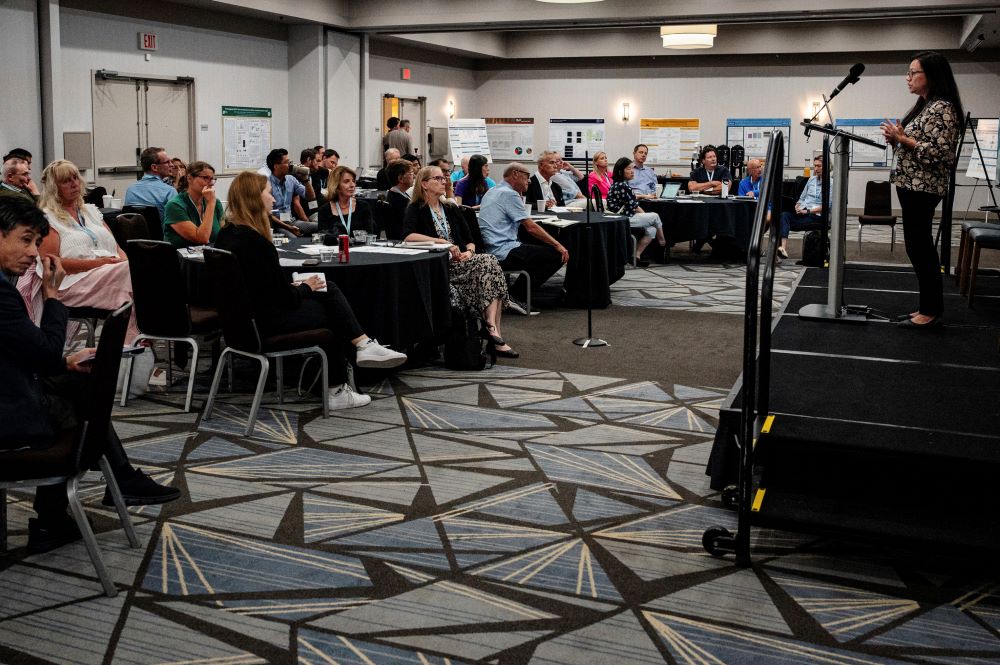
“Bloom-Rx reinforced that no single model can answer every question, and that a model is most useful when it is matched to the decision researchers need to make,” said Mary Beth Campbell, PhD, BSA Research Executive. “The conditional Blm model we’re building with GemPharmatech adds a flexible, shareable tool to that ecosystem and gives investigators a common starting point for studies across tissues and stages of disease.”
BSA's patient-centered research strategy calls for validated, accessible tools that can help investigators study Bloom syndrome biology, its associated cancers, and potential interventions. In collaboration with GemPharmatech, the BSA identified a need for a conditional model on a pure genetic background that BLM researchers can adapt to specific tissues and experimental questions.
“For a small, patient-led organization, partnership is how priorities become research infrastructure,” Campbell said. “GemPharmatech brought the technical capabilities, flexibility, and speed to turn a community-identified gap into a concrete resource. Our shared aim is to lower barriers for researchers and help promising ideas move toward better care, treatments, and cures for people with Bloom syndrome.”
GemPharmatech and Bloom Syndrome Association Collaborate on a New Mouse Model to Recapitulate Bloom Syndrome
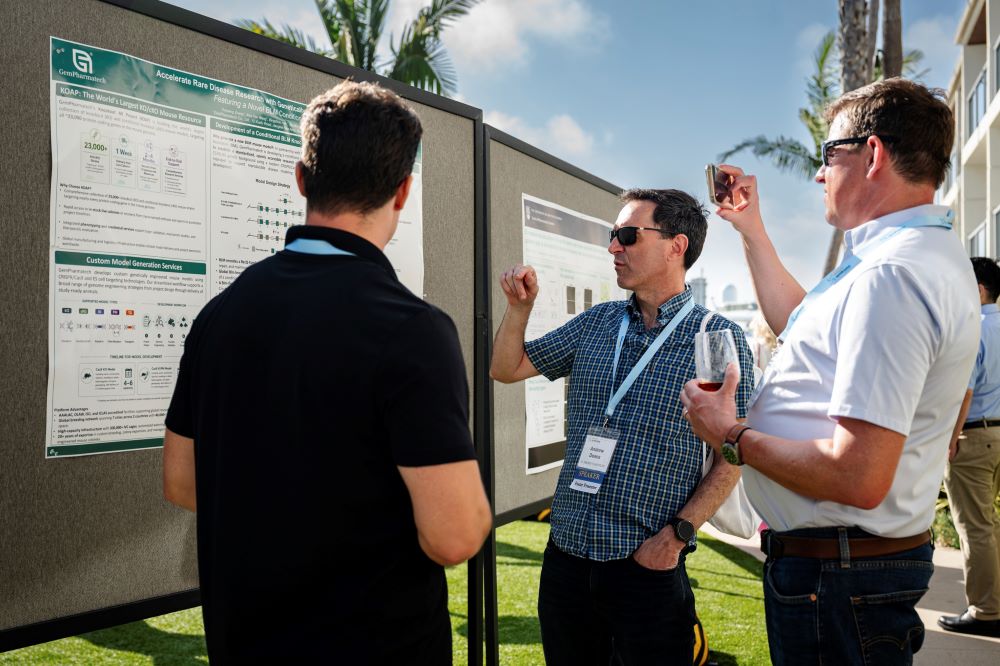
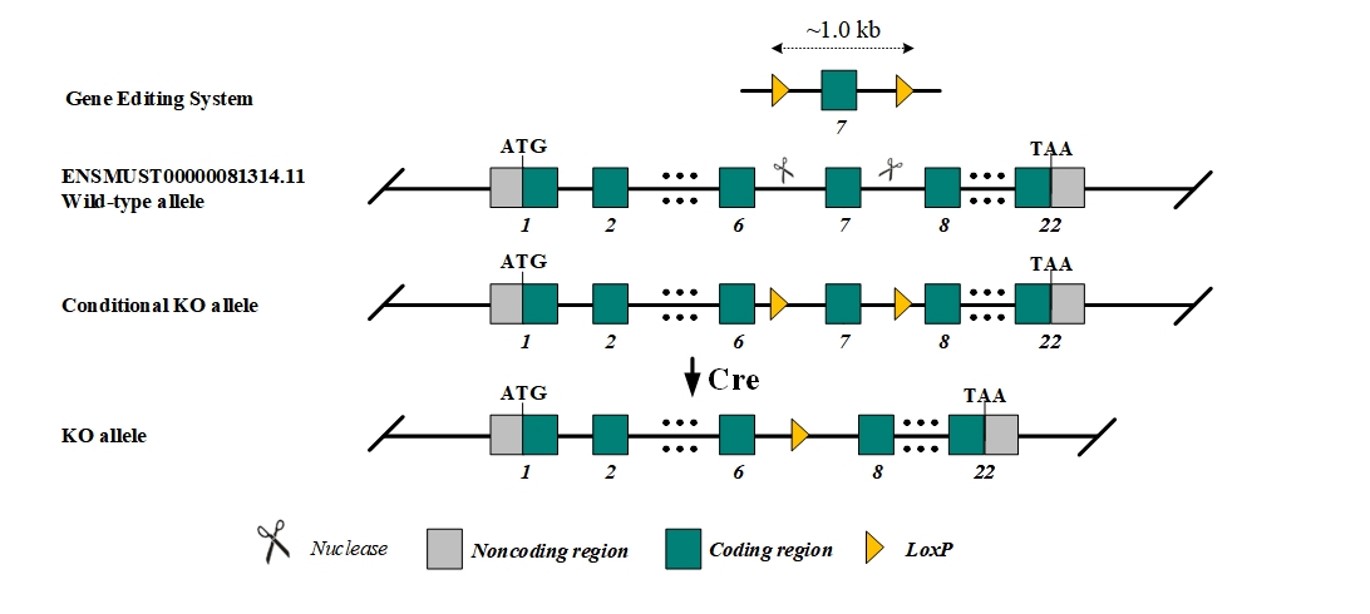
In partnership with the BSA, GemPharmatech is developing a conditional BLM knockout mouse to establish a standardized, openly accessible research model. Built on a clean C57BL/6JGpt genetic background using a modern CRISPR/Cas9 strategy, this model is intended to support reproducible disease modeling and future therapeutic development. The design places loxP sites around exon 7, enabling Cre-mediated deletion of Blm in selected tissues or at selected times. This flexibility is important because global loss of Blm can cause embryonic lethality.
Model Design Strategy
Learn more about this model by downloading the poster.
BLM encodes a RecQ-family DNA helicase that is essential for DNA replication, repair, and maintenance of genomic stability.
Global Blm knockout results in embryonic lethality, necessitating development of a conditional knockout model.
A Blm-flox mouse was generated by flanking exon 7 with loxP sites, enabling Cre-mediated excision and loss of BLM function.
Crossing the Blm-flox mice with tissue-specific or inducible Cre driver lines enables controlled deletion of Blm for disease modeling and mechanistic studies.
Rare and genetic diseases represent some of the most significant unmeet needs in medicine. Gempharmatech’s vast catalogue of knockout models combined with their custom model generation expertise delivers models that empower rare disease researchers.
If you are a researcher studying BLM and are interested in using this model when it becomes available, please reach out to research@bloomsyndromeassociation.org.
Looking to get involved with the BSA’s mission?
The BSA is a primarily a volunteer-run organization. Donations and volunteer expertise support family resources, patient-centered research infrastructure, and collaborations like the Blm model project with GemPharmaTech. Learn more about volunteering or making a donation.

Share


Recommended for You
More infomation about blogs

Find Models


'%3e%3cpath%20d='M13.6882%2012L23.6426%202.06059C23.8678%201.83321%2023.9941%201.52611%2023.9941%201.20607C23.9941%200.886035%2023.8678%200.578937%2023.6426%200.351553C23.4152%200.126341%2023.1081%200%2022.7881%200C22.468%200%2022.1609%200.126341%2021.9335%200.351553L11.9941%2010.306L2.05473%200.351553C1.82735%200.126341%201.52025%200%201.20021%200C0.880175%200%200.573077%200.126341%200.345693%200.351553C0.120482%200.578937%20-0.00585938%200.886035%20-0.00585938%201.20607C-0.00585937%201.52611%200.120482%201.83321%200.345693%202.06059L10.3001%2012L0.345693%2021.9394C0.120482%2022.1668%20-0.00585937%2022.4739%20-0.00585938%2022.7939C-0.00585938%2023.114%200.120482%2023.4211%200.345693%2023.6484C0.573077%2023.8737%200.880175%2024%201.20021%2024C1.52025%2024%201.82735%2023.8737%202.05473%2023.6484L11.9941%2013.694L21.9335%2023.6484C22.1666%2023.8397%2022.4624%2023.9374%2022.7635%2023.9226C23.0646%2023.9079%2023.3494%2023.7816%2023.5626%2023.5684C23.7757%2023.3553%2023.902%2023.0704%2023.9168%2022.7694C23.9316%2022.4683%2023.8338%2022.1724%2023.6426%2021.9394L13.6882%2012Z'%20fill='black'%20fill-opacity='0.96'/%3e%3c/g%3e%3cdefs%3e%3cclipPath%20id='clip0_2458_12695'%3e%3crect%20width='24'%20height='24'%20fill='white'/%3e%3c/clipPath%3e%3c/defs%3e%3c/svg%3e)
Submit Inquiry
Contact Us
Schedule a Meeting
Let us know which event you're attending and we'd be happy to connect with you.
Download
Download
Watch On-Demand Webinar
Newsletter Signup
'%3e%3cpath%20d='M13.6882%2012L23.6426%202.06059C23.8678%201.83321%2023.9941%201.52611%2023.9941%201.20607C23.9941%200.886035%2023.8678%200.578937%2023.6426%200.351553C23.4152%200.126341%2023.1081%200%2022.7881%200C22.468%200%2022.1609%200.126341%2021.9335%200.351553L11.9941%2010.306L2.05473%200.351553C1.82735%200.126341%201.52025%200%201.20021%200C0.880175%200%200.573077%200.126341%200.345693%200.351553C0.120482%200.578937%20-0.00585938%200.886035%20-0.00585938%201.20607C-0.00585937%201.52611%200.120482%201.83321%200.345693%202.06059L10.3001%2012L0.345693%2021.9394C0.120482%2022.1668%20-0.00585937%2022.4739%20-0.00585938%2022.7939C-0.00585938%2023.114%200.120482%2023.4211%200.345693%2023.6484C0.573077%2023.8737%200.880175%2024%201.20021%2024C1.52025%2024%201.82735%2023.8737%202.05473%2023.6484L11.9941%2013.694L21.9335%2023.6484C22.1666%2023.8397%2022.4624%2023.9374%2022.7635%2023.9226C23.0646%2023.9079%2023.3494%2023.7816%2023.5626%2023.5684C23.7757%2023.3553%2023.902%2023.0704%2023.9168%2022.7694C23.9316%2022.4683%2023.8338%2022.1724%2023.6426%2021.9394L13.6882%2012Z'%20fill='%23008077'%20fill-opacity='0.96'/%3e%3c/g%3e%3cdefs%3e%3cclipPath%20id='clip0_2458_12695'%3e%3crect%20width='24'%20height='24'%20fill='white'/%3e%3c/clipPath%3e%3c/defs%3e%3c/svg%3e)
We value your privacy
This website will store cookies on your computer. These cookies are used to collect information about how you interact with this website and enable us to remember you. We use this information to improve and customize your browsing experience, as well as to analyze and collect relevant data and metrics about visitors on this website and other platforms. For more information about the cookies we use, please refer to our privacy policy
If you decline, your information will not be tracked when visiting this website. A cookie will be used in your browser to remember your preference settings that you have not accepted.

