


'/%3e%3c/svg%3e)

- By Indication
 Inflammatory and Autoimmune DiseasesRespiratory DiseasesInfectious DiseasesRare DiseaseGut Microbiota Research ServiceBy Modality
 Preclinical Model Strategies for T-Cell Engagers: From Oncology to Autoimmune Disease
 2026-10-27
 11:00 AM ET
 Dr. Wanjun Yuan & Dr. Haiqiao SunOne TCE Modality. Two Disease Contexts. Different Preclinical Questions.

'/%3e%3c/svg%3e)
'/%3e%3c/svg%3e)

Neurology
TFRC-Humanized Mouse Models: A Preclinical Platform for Evaluating BBB-Penetrating Alzheimer's Therapeutics
The development of drugs for central nervous system (CNS) disorders, such as Alzheimer's disease (AD), has long been hindered by a core obstacle: in the development of CNS drugs, the vast majority of drug candidates ultimately fail, and poor permeability across the blood–brain barrier (BBB) is one of the primary reasons for these failures. This protective feature formed by the tight junctions of brain capillary endothelial cells, effectively excludes the vast majority of macromolecules (such as antibodies, enzymes, and nucleic acid drugs). Against this backdrop, TFRC (Transferrin Receptor 1), leveraging its unique transcytosis mechanism, has become the industry's most promising "key" to unlocking brain delivery. GemPharmatech addresses this evaluation gap by constructing a complete series of TFRC-humanized mice, setting a new benchmark for preclinical tools that accelerate brain-targeted drug development.
 2026-07-23

Translational Bottleneck: Why CNS Drug Development Fail at the Blood-Brain Barrier
The development of drugs for central nervous system (CNS) disorders, such as Alzheimer's disease (AD), has long been hindered by a core obstacle: in the development of CNS drugs, the vast majority of drug candidates ultimately fail, and poor permeability across the blood–brain barrier (BBB) is one of the primary reasons for these failures. This protective feature formed by the tight junctions of brain capillary endothelial cells, effectively excludes the vast majority of macromolecules (such as antibodies, enzymes, and nucleic acid drugs). Against this backdrop, TFRC (Transferrin Receptor 1), leveraging its unique transcytosis mechanism, has become the industry's most promising "key" to unlocking brain delivery. GemPharmatech addresses this evaluation gap by constructing a complete series of TFRC-humanized mice, setting a new benchmark for preclinical tools that accelerate brain-targeted drug development.
The Permeability Paradox: Anatomy and Physiology of the BBB Hurdle
The blood-brain barrier is the brain's natural protective system, composed of brain capillary endothelial cells linked by tight junctions that strictly regulate the passage of substances in and out. While this sophisticated structure protects the CNS from toxins, it also presents a formidable obstacle to drug delivery: over 98% of small-molecule drugs and nearly all macromolecular therapeutics cannot penetrate it effectively[1].
Existing delivery strategies each have their own limitations. Chemical modifications can alter drug activity; nanocarriers suffer from low delivery efficiency and potential safety risks; and physical methods, such as focused ultrasound, lack specificity. The clinical need is urgent, particularly in the Alzheimer's disease field, where a large number of antibody drugs targeting Aβ and Tau proteins have limited efficacy due to insufficient brain uptake. Therefore, developing an efficient, specific, and safe brain-targeted delivery technology is a core issue that urgently needs to be addressed in current neurological drug development.
The TFRC "Trojan Horse": Unlocking Receptor-Mediated Transcytosis
TFRC (also known as CD71) is a single-pass type II transmembrane protein with an extracellular domain of 672 amino acids. It is primarily expressed on the luminal surface of brain capillary endothelial cells and is a key receptor for cellular iron uptake. More importantly, TFRC mediates a bidirectional transport process called transcytosis: the Tf-Fe complex undergoes clathrin-mediated endocytosis into endothelial cells, and after iron release in acidified endosomes, the apo-Tf/TfR complex can be transported to the basolateral side of the cell and released into the brain parenchyma. This mechanism acts like a "Trojan Horse," enabling drugs that bind to it to cross the BBB.
Commercial platforms based on this mechanism have made significant progress:
Denali Therapeutics' ETV platform: Fuses an engineered transferrin receptor-binding Fc domain with therapeutic proteins, such as GAA enzyme for Pompe disease. Its candidate drug, DNL952, has entered Phase I clinical trials (NCT07354724), with preclinical studies in TfR-humanized mice confirming its efficacy in reducing glycogen in the brain and muscle.
Roche's Brainshuttle platform: Conjugates anti-TfR units with anti-Aβ antibodies or neprilysin. Preclinical data show significant reduction of Aβ levels in cerebrospinal fluid and brain parenchyma.
Genentech: Developed an anti-TfR-BACE1 bispecific antibody that successfully lowered brain Aβ levels in non-human primate models.
GemPharmatech's TFRC Humanized Models: Bridging Species Differences for Predictive CNS Translation
Despite the promising prospects of the TFRC target, species differences pose a major obstacle to preclinical evaluation. The sequence similarity between human and mouse TFRC extracellular domains is only 68%, with 53% identity[2]. This means that antibodies developed against human TFRC often fail to cross-react with mouse TFRC, rendering traditional mouse models unable to accurately predict brain-targeting efficiency in humans.
To overcome this challenge, GemPharmatech has employed Knock-in (KI) gene editing technology to generate TFRC humanized mice. The technical strategy involves precisely replacing the extracellular domain sequence of the mouse Tfrc gene with the human TFRC sequence, while retaining the mouse signal peptide and transmembrane region to ensure correct localization and normal function of the protein on brain capillary endothelial cells.
Core strains include:
B6-hTFRC (T067796): Based on the C57BL/6JGpt background, this strain provides a baseline evaluation model for BBB transport and is suitable for brain pharmacokinetic (PK) studies.
FAD3T-hTFRC (T065963): Introduces the hTFRC KI into the FAD3T (APP/PS1/Tau triple transgenic) AD model. This model exhibits Tau pathology as early as 1 month of age, making it suitable for evaluating the brain delivery and efficacy of drugs targeting both Aβ and Tau.
FAD4T-hTFRC (T065962): Introduces the hTFRC KI into the FAD4T (APP/PS1 double transgenic) AD model. This model develops Aβ plaques and increased glial cell numbers by 2 months of age and is specifically designed for brain delivery studies of anti-Aβ drugs.
From Pharmacokinetics to Pathology: Validating Efficacy Across the AD Spectrum
The TFRC mouse series provides powerful tools across multiple critical stages of brain-targeted drug development.
Category | Applications |
Antibodies & Macromolecular Drugs | • Bispecific antibody/ADC evaluation: Accurately assess brain uptake efficiency, target-binding specificity, and final efficacy of anti-TfR bispecific antibodies and antibody-drug conjugates (ADCs). • Platform technology validation: Provide preclinical validation models for delivery platforms such as Roche's Brainshuttle and Denali's ATV. |
Gene Therapy | • AAV capsid screening: Screen and validate novel adeno-associated virus (AAV) capsids targeting human TFRC to enhance CNS transduction efficiency of gene therapy vectors. • Vector brain distribution studies: Evaluate the distribution, expression efficiency, and safety of gene therapy vectors in the brain. |
Nucleic Acid Drugs | • Oligonucleotide delivery: Evaluate brain distribution and gene silencing effects of TFRC-targeted siRNA and antisense oligonucleotides (ASOs).
|
Small Molecules & Nanoformulations | • Prodrug brain-targeting evaluation: Validate the brain-targeting capability and conversion efficiency of small-molecule prodrugs conjugated to Tf or TfR ligands.
|
Strategic Roadmap: Choosing the Right TFRC Model for Your Indication
GemPharmatech offers a comprehensive matrix of TFRC humanized mouse strains, ranging from healthy backgrounds to disease backgrounds, to meet the needs of different stages of drug development.
Strain Name | Strain No. | Background | Strategy | Disease Phenotype | Application | Status |
C57BL/6JGpt | hTFRC KI | None (healthy) | BBB transport baseline; brain PK evaluation | Available | ||
FAD3T (APP/PS1/Tau) | hTFRC KI | Aβ plaques + Tau pathology (early-onset) | Brain delivery of Aβ/Tau antibodies | Available | ||
FAD4T (APP/PS1) | hTFRC KI | Aβ plaques + glial activation | Brain delivery of anti-Aβ antibodies | Available | ||
SNCAA53T-hTFRC | / | SNCA A53T | hTFRC KI | PD model | Brain-targeted delivery in PD | In development |
FAD-hCD98HC series | / | FAD3T/FAD4T | hCD98HC | Multiple | RMT multi-target delivery | In development |
FAD-hIGF1R series | / | FAD4T | hIGF1R | AD | RMT multi-target delivery | In development |
FAD-hTFRC/hCD98HC | / | FAD3T/FAD4T | Double replacement | Multiple | Dual-target synergistic delivery | In development |
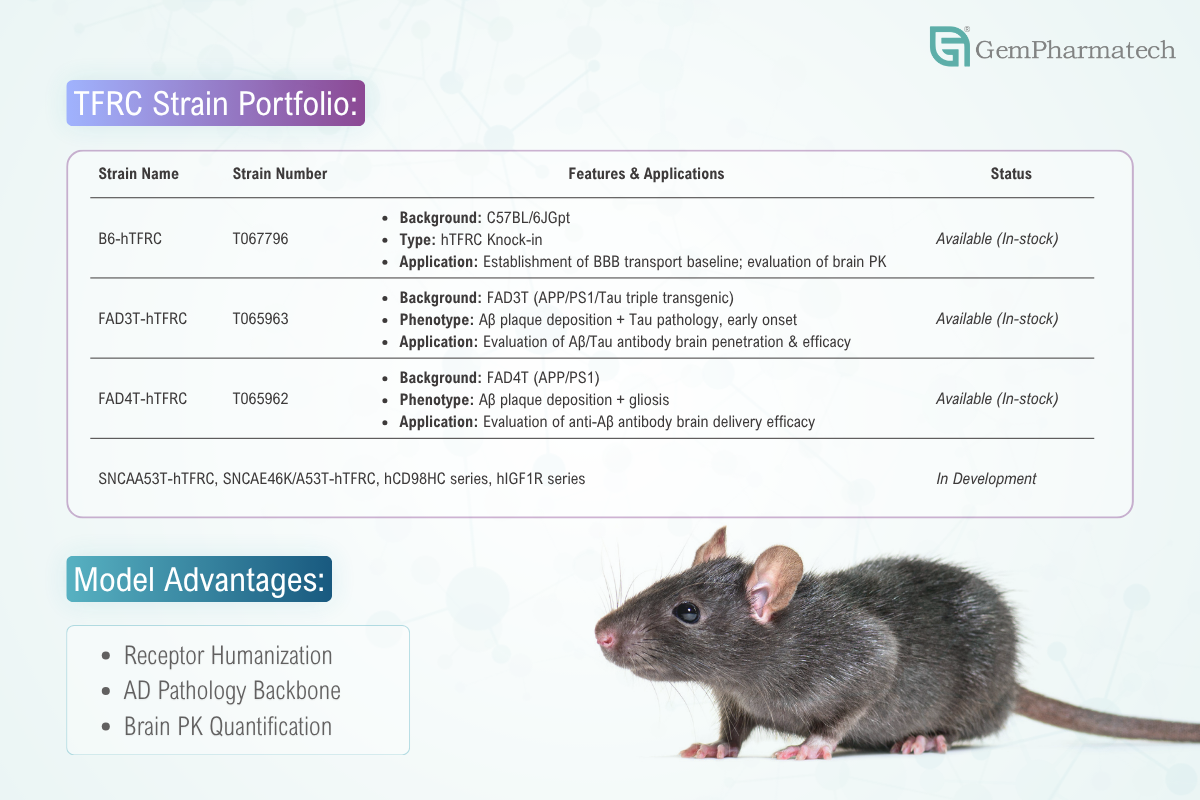
Figure 1: GemPharmatech TFRC and related RMT-target humanized mouse strain matrix.
Case Study
In real-world applications, GemPharmatech's TFRC mouse series has already provided critical data support for clients' drug evaluations.
Case 1: Evaluating Trontinemab vs. Lecanemab in the FAD4T-hTFRC Model
In the FAD4T-hTFRC mouse model, dosing began at 2.5 months of age and continued for 14 weeks. Brain histopathological analysis (Aβ, GFAP, IBA1 staining) showed that Trontinemab demonstrated superior clearance of cerebral Aβ plaques compared to Lecanemab. This case qualitatively demonstrates the efficacy evaluation capability of the TFRC-targeting strategy in an AD model.
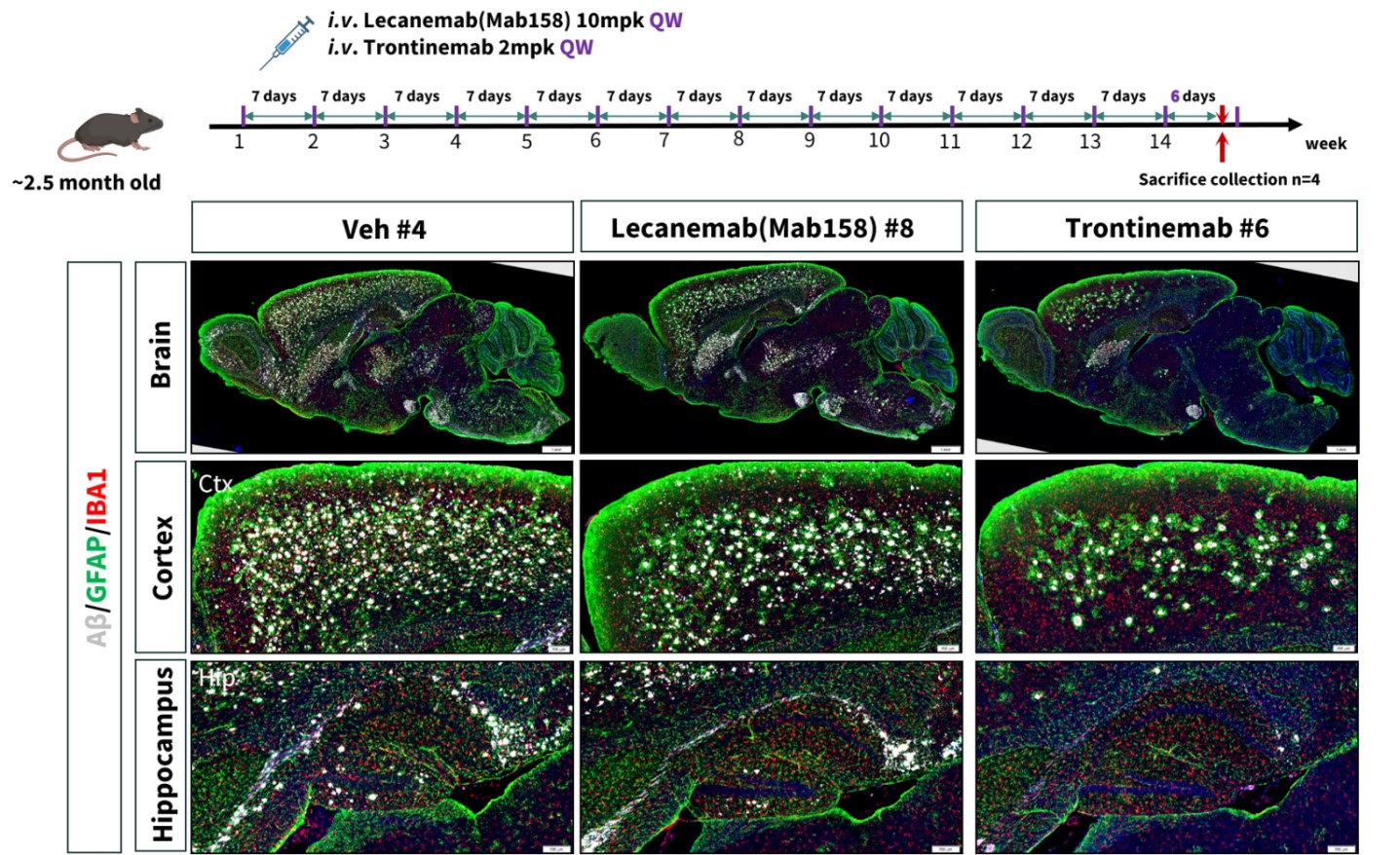
Figure 2: Therapeutic Efficacy of Trontinemab/ Lecanemab in FAD4T-hTFRC mouse model.
Representative immunofluorescence images of brain sections from FAD4T-hTFRC mice following 14 weeks of treatment. Grey: Aβ; Green: GFAP; Red: IBA1. Ctx, Cortex; Hip, Hippocampus. Scale Bar: 1mm/200μm.
Case 2: Evaluating Trontinemab in the FAD3T-hTFRC Model
In FAD3T-hTFRC mice, treatment was initiated at 1 months of age. Following 8 weeks of Trontinemab treatment, the protein expression levels of Aβ40 and Aβ42 in the cortex and hippocampus were significantly reduced. These findings further validate the effectiveness of TFRC-mediated brain-targeted delivery in the context of early-onset AD pathology.
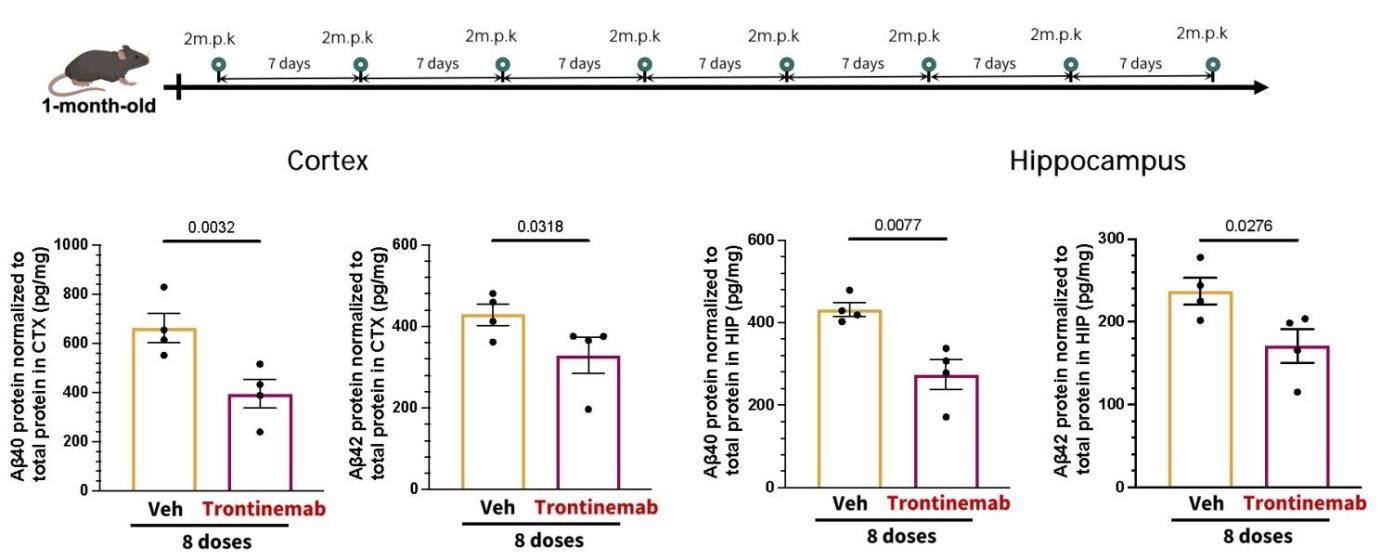
Figure 3: Therapeutic Efficacy of Trontinemab in FAD3T-hTFRC mouse model.
Expression levels of Aβ42 and Aβ40 in the cortex and hippocampus of FAD3T-hTFRC mice measured by ELISA after 8 weeks of Trontinemab administration. Data are shown as mean ± SEM. Unpaired two-tailed Student's t-test.
De-Risking the Path to Clinical Success
The TFRC humanized mouse series serves as a bridge connecting laboratory discoveries to clinical applications, and is becoming an essential tool for accelerating the development of brain-targeted antibodies, gene therapies, and nucleic acid drugs. By precisely simulating the delivery mechanisms in humans, these models enable researchers to predict the brain-targeting potential of drug candidates earlier and more accurately, thereby reducing R&D risks and improving success rates.
Ready to transcend the limitations of traditional CNS models? Contact us to discuss your specific targeting strategy and discover how the TFRC series can accelerate your program's journey to the clinic.
Reference:
[1] Sun, M., Yu, L., He, L., Mi, W., Yang, H., Lu, Y., Hong, J., Qu, M., He, Y., Guo, H., & Ma, Y. (2026). Blood–Brain Barrier: Structure, Function, Diseases, and Drug Delivery Systems. MedComm, 7(4), e70712.
[2] Haqqani AS, Bélanger K and Stanimirovic DB (2024) Receptor-mediated transcytosis for brain delivery of therapeutics: receptor classes and criteria. Front. Drug Deliv. 4:1360302.

Share


Recommended for You
More infomation about blogs

Find Models


'%3e%3cpath%20d='M13.6882%2012L23.6426%202.06059C23.8678%201.83321%2023.9941%201.52611%2023.9941%201.20607C23.9941%200.886035%2023.8678%200.578937%2023.6426%200.351553C23.4152%200.126341%2023.1081%200%2022.7881%200C22.468%200%2022.1609%200.126341%2021.9335%200.351553L11.9941%2010.306L2.05473%200.351553C1.82735%200.126341%201.52025%200%201.20021%200C0.880175%200%200.573077%200.126341%200.345693%200.351553C0.120482%200.578937%20-0.00585938%200.886035%20-0.00585938%201.20607C-0.00585937%201.52611%200.120482%201.83321%200.345693%202.06059L10.3001%2012L0.345693%2021.9394C0.120482%2022.1668%20-0.00585937%2022.4739%20-0.00585938%2022.7939C-0.00585938%2023.114%200.120482%2023.4211%200.345693%2023.6484C0.573077%2023.8737%200.880175%2024%201.20021%2024C1.52025%2024%201.82735%2023.8737%202.05473%2023.6484L11.9941%2013.694L21.9335%2023.6484C22.1666%2023.8397%2022.4624%2023.9374%2022.7635%2023.9226C23.0646%2023.9079%2023.3494%2023.7816%2023.5626%2023.5684C23.7757%2023.3553%2023.902%2023.0704%2023.9168%2022.7694C23.9316%2022.4683%2023.8338%2022.1724%2023.6426%2021.9394L13.6882%2012Z'%20fill='black'%20fill-opacity='0.96'/%3e%3c/g%3e%3cdefs%3e%3cclipPath%20id='clip0_2458_12695'%3e%3crect%20width='24'%20height='24'%20fill='white'/%3e%3c/clipPath%3e%3c/defs%3e%3c/svg%3e)
Submit Inquiry
Contact Us
Schedule a Meeting
Let us know which event you're attending and we'd be happy to connect with you.
Download
Download
Watch On-Demand Webinar
Newsletter Signup
'%3e%3cpath%20d='M13.6882%2012L23.6426%202.06059C23.8678%201.83321%2023.9941%201.52611%2023.9941%201.20607C23.9941%200.886035%2023.8678%200.578937%2023.6426%200.351553C23.4152%200.126341%2023.1081%200%2022.7881%200C22.468%200%2022.1609%200.126341%2021.9335%200.351553L11.9941%2010.306L2.05473%200.351553C1.82735%200.126341%201.52025%200%201.20021%200C0.880175%200%200.573077%200.126341%200.345693%200.351553C0.120482%200.578937%20-0.00585938%200.886035%20-0.00585938%201.20607C-0.00585937%201.52611%200.120482%201.83321%200.345693%202.06059L10.3001%2012L0.345693%2021.9394C0.120482%2022.1668%20-0.00585937%2022.4739%20-0.00585938%2022.7939C-0.00585938%2023.114%200.120482%2023.4211%200.345693%2023.6484C0.573077%2023.8737%200.880175%2024%201.20021%2024C1.52025%2024%201.82735%2023.8737%202.05473%2023.6484L11.9941%2013.694L21.9335%2023.6484C22.1666%2023.8397%2022.4624%2023.9374%2022.7635%2023.9226C23.0646%2023.9079%2023.3494%2023.7816%2023.5626%2023.5684C23.7757%2023.3553%2023.902%2023.0704%2023.9168%2022.7694C23.9316%2022.4683%2023.8338%2022.1724%2023.6426%2021.9394L13.6882%2012Z'%20fill='%23008077'%20fill-opacity='0.96'/%3e%3c/g%3e%3cdefs%3e%3cclipPath%20id='clip0_2458_12695'%3e%3crect%20width='24'%20height='24'%20fill='white'/%3e%3c/clipPath%3e%3c/defs%3e%3c/svg%3e)
We value your privacy
This website will store cookies on your computer. These cookies are used to collect information about how you interact with this website and enable us to remember you. We use this information to improve and customize your browsing experience, as well as to analyze and collect relevant data and metrics about visitors on this website and other platforms. For more information about the cookies we use, please refer to our privacy policy
If you decline, your information will not be tracked when visiting this website. A cookie will be used in your browser to remember your preference settings that you have not accepted.

