


- By Indication
 Inflammatory and Autoimmune DiseasesRespiratory DiseasesInfectious DiseasesRare DiseaseGut Microbiota Research ServiceBy Modality
 Preclinical Model Strategies for T-Cell Engagers: From Oncology to Autoimmune Disease
 2026-10-27
 11:00 AM ET
 Dr. Wanjun Yuan & Dr. Haiqiao SunOne TCE Modality. Two Disease Contexts. Different Preclinical Questions.

'/%3e%3c/svg%3e)

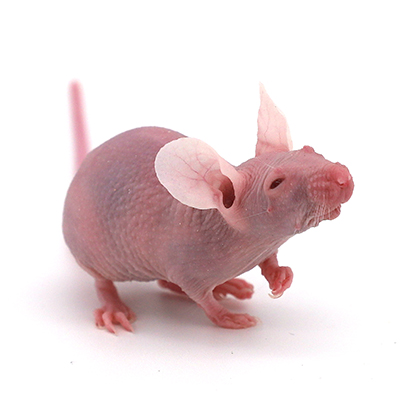

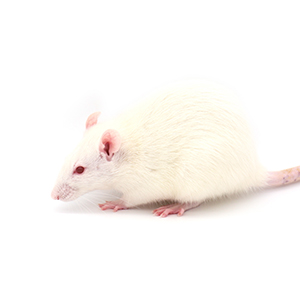
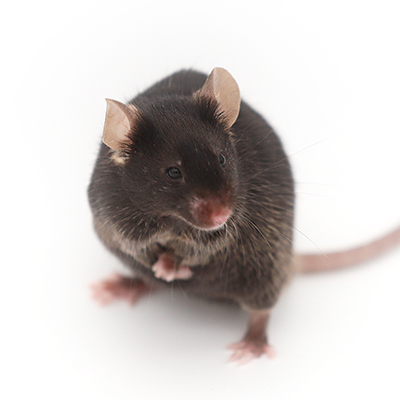
All Products
Browse our comprehensive catalog of over 30,000 mouse models covering various gene families, signaling pathways, and disease models. Use advanced filters to find the perfect model for your research.
- 1
- 2
- 3
- 4
- 8
Frequently Asked Questions
How to choose between spontaneous disease models and surgical/induced models?
Spontaneous and induced models differ significantly in their characteristics and application scenarios: Spontaneous models: These models have longer development cycles but more closely recapitulate the clinical pathogenesis and disease progression of human patients, making them highly suitable for long-term studies and mechanistic investigations. Surgical/induced models: These models feature shorter turnaround times and are well-suited for rapid drug screening, helping to accelerate the evaluation of in vivo efficacy. GemPharmatech offers a comprehensive portfolio of spontaneous and surgical/induced models across various disease areas, providing robust model support tailored to diverse research objectives.
What are the differences between mouse genetic backgrounds used in autoimmune disease models, and how should one select the appropriate background strain for model establishment?
Disease phenotypes can vary substantially among mouse strains with different genetic backgrounds. These variations may manifest as entirely distinct phenotypes, differences in phenotypic penetrance, or variable expressivity of the phenotype. For example: C57BL/6 and BALB/c mice differ in their Th1 and Th2 immune responses. In C57BL/6 mice, Th1 immune responses and interferon-gamma (IFN-γ) production predominate, whereas BALB/c mice are highly prone to mounting Th2 immune responses, a divergence commonly observed in infectious diseases and allergic reactions. The immunological differences between BALB/c and C57BL/6 mice directly influence the pathogenesis and disease onset of certain autoimmune models. While both C57BL/6 and BALB/c share the advantage of genetic homogeneity inherent to inbred strains, applying them to immunological research requires careful consideration of their numerous physiological and immunological differences. The selection of the background strain should be guided strictly by the specific research objectives and experimental design.
GemPharmatech offers various Alzheimer’s disease (AD) mouse models. What are the differences between them, and how should one choose the appropriate model?
Each AD mouse model developed by GemPharmatech is tailored to address distinct pathological mechanism research and drug development requirements. FAD4T model: Best suited for drug development targeting mild-to-moderate AD. This model exhibits amyloid-beta (Aβ) plaque deposition starting at 2 months of age, which progressively worsens with disease advancement, followed by the onset of cognitive impairment at 8 months of age. FAD2T model: Ideal for vaccine candidate evaluation or drug development targeting mild AD. Aβ plaque deposition begins at 4 months of age, offering an efficacy evaluation window of approximately 3 months for vaccines (prior to extensive plaque pathology). Although cognitive impairment also manifests at 8 months of age, the overall plaque burden is significantly lower than that of the FAD4T model, making it highly suitable for investigating early-stage or mild pathological progression. FAD3T model: Designed for drug development targeting moderate-to-severe AD. In addition to Aβ plaque deposition, this model incorporates tau hyperphosphorylation pathology. Alterations in clinically relevant biomarkers—such as p-Tau181, p-Tau217, Aβ, and neurofilament light chain (NfL)—are detectable as early as 1 month of age. The onset of cognitive impairment exhibits sexual dimorphism (3 months of age in females; 4 months of age in males), recapitulating the gender-related differences observed clinically. This provides a highly comprehensive model for evaluating therapeutics and diagnostic assays for advanced-stage AD pathology.
Recommended for You
Discover more models, courses, and resources to accelerate your research

Find Models



Newsletter Signup
'%3e%3cpath%20d='M13.6882%2012L23.6426%202.06059C23.8678%201.83321%2023.9941%201.52611%2023.9941%201.20607C23.9941%200.886035%2023.8678%200.578937%2023.6426%200.351553C23.4152%200.126341%2023.1081%200%2022.7881%200C22.468%200%2022.1609%200.126341%2021.9335%200.351553L11.9941%2010.306L2.05473%200.351553C1.82735%200.126341%201.52025%200%201.20021%200C0.880175%200%200.573077%200.126341%200.345693%200.351553C0.120482%200.578937%20-0.00585938%200.886035%20-0.00585938%201.20607C-0.00585937%201.52611%200.120482%201.83321%200.345693%202.06059L10.3001%2012L0.345693%2021.9394C0.120482%2022.1668%20-0.00585937%2022.4739%20-0.00585938%2022.7939C-0.00585938%2023.114%200.120482%2023.4211%200.345693%2023.6484C0.573077%2023.8737%200.880175%2024%201.20021%2024C1.52025%2024%201.82735%2023.8737%202.05473%2023.6484L11.9941%2013.694L21.9335%2023.6484C22.1666%2023.8397%2022.4624%2023.9374%2022.7635%2023.9226C23.0646%2023.9079%2023.3494%2023.7816%2023.5626%2023.5684C23.7757%2023.3553%2023.902%2023.0704%2023.9168%2022.7694C23.9316%2022.4683%2023.8338%2022.1724%2023.6426%2021.9394L13.6882%2012Z'%20fill='black'%20fill-opacity='0.96'/%3e%3c/g%3e%3cdefs%3e%3cclipPath%20id='clip0_2458_12695'%3e%3crect%20width='24'%20height='24'%20fill='white'/%3e%3c/clipPath%3e%3c/defs%3e%3c/svg%3e)
'%3e%3cpath%20d='M13.6882%2012L23.6426%202.06059C23.8678%201.83321%2023.9941%201.52611%2023.9941%201.20607C23.9941%200.886035%2023.8678%200.578937%2023.6426%200.351553C23.4152%200.126341%2023.1081%200%2022.7881%200C22.468%200%2022.1609%200.126341%2021.9335%200.351553L11.9941%2010.306L2.05473%200.351553C1.82735%200.126341%201.52025%200%201.20021%200C0.880175%200%200.573077%200.126341%200.345693%200.351553C0.120482%200.578937%20-0.00585938%200.886035%20-0.00585938%201.20607C-0.00585937%201.52611%200.120482%201.83321%200.345693%202.06059L10.3001%2012L0.345693%2021.9394C0.120482%2022.1668%20-0.00585937%2022.4739%20-0.00585938%2022.7939C-0.00585938%2023.114%200.120482%2023.4211%200.345693%2023.6484C0.573077%2023.8737%200.880175%2024%201.20021%2024C1.52025%2024%201.82735%2023.8737%202.05473%2023.6484L11.9941%2013.694L21.9335%2023.6484C22.1666%2023.8397%2022.4624%2023.9374%2022.7635%2023.9226C23.0646%2023.9079%2023.3494%2023.7816%2023.5626%2023.5684C23.7757%2023.3553%2023.902%2023.0704%2023.9168%2022.7694C23.9316%2022.4683%2023.8338%2022.1724%2023.6426%2021.9394L13.6882%2012Z'%20fill='%23008077'%20fill-opacity='0.96'/%3e%3c/g%3e%3cdefs%3e%3cclipPath%20id='clip0_2458_12695'%3e%3crect%20width='24'%20height='24'%20fill='white'/%3e%3c/clipPath%3e%3c/defs%3e%3c/svg%3e)
We value your privacy
This website will store cookies on your computer. These cookies are used to collect information about how you interact with this website and enable us to remember you. We use this information to improve and customize your browsing experience, as well as to analyze and collect relevant data and metrics about visitors on this website and other platforms. For more information about the cookies we use, please refer to our privacy policy
If you decline, your information will not be tracked when visiting this website. A cookie will be used in your browser to remember your preference settings that you have not accepted.


Contact Us
Schedule a Meeting
Let us know which event you're attending and we'd be happy to connect with you.