


- By Indication
 Inflammatory and Autoimmune DiseasesRespiratory DiseasesInfectious DiseasesRare DiseaseGut Microbiota Research ServiceBy Modality
 Preclinical Model Strategies for T-Cell Engagers: From Oncology to Autoimmune Disease
 2026-10-27
 11:00 AM ET
 Dr. Wanjun Yuan & Dr. Haiqiao SunOne TCE Modality. Two Disease Contexts. Different Preclinical Questions.
- Animal Models
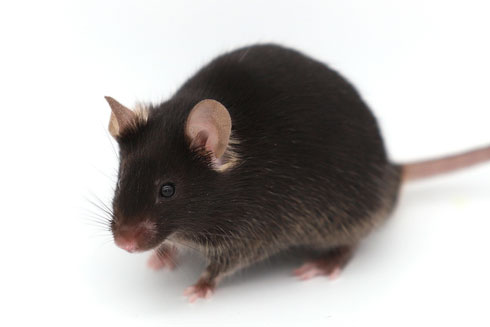 KO/cKO Mouse


'/%3e%3c/svg%3e)
Cardiovascular-Kidney-Metabolic (CKM) Syndrome

- 2Validated Models
- 20+Studies Completed
- 5+IND studies completed
Our Advantages
Industry-leading capabilities for CKM research

Comorbidity model development & evaluation
Epertise in developing and evaluating comorbidity models.
01
Drug efficacy & IND-enabling studies
Extensive experience in drug efficacy and IND enabling study.
02
GFR-based renal function assessment (DN & CKM)
The ability to measure glomerular filtration rate as the gold standard for evaluating renal function in diabetic nephropathy (DN) and CKM.
03
Model Library
Comprehensive CKM models for preclinical research

Case Studies & Validation Data
Explore our validated CKM studies demonstrating the efficacy of various therapeutic interventions.
BKS-db+mRenin
AAV-Renin induces severe metabolic disorder and renal injury in the BKS-db CKM model.

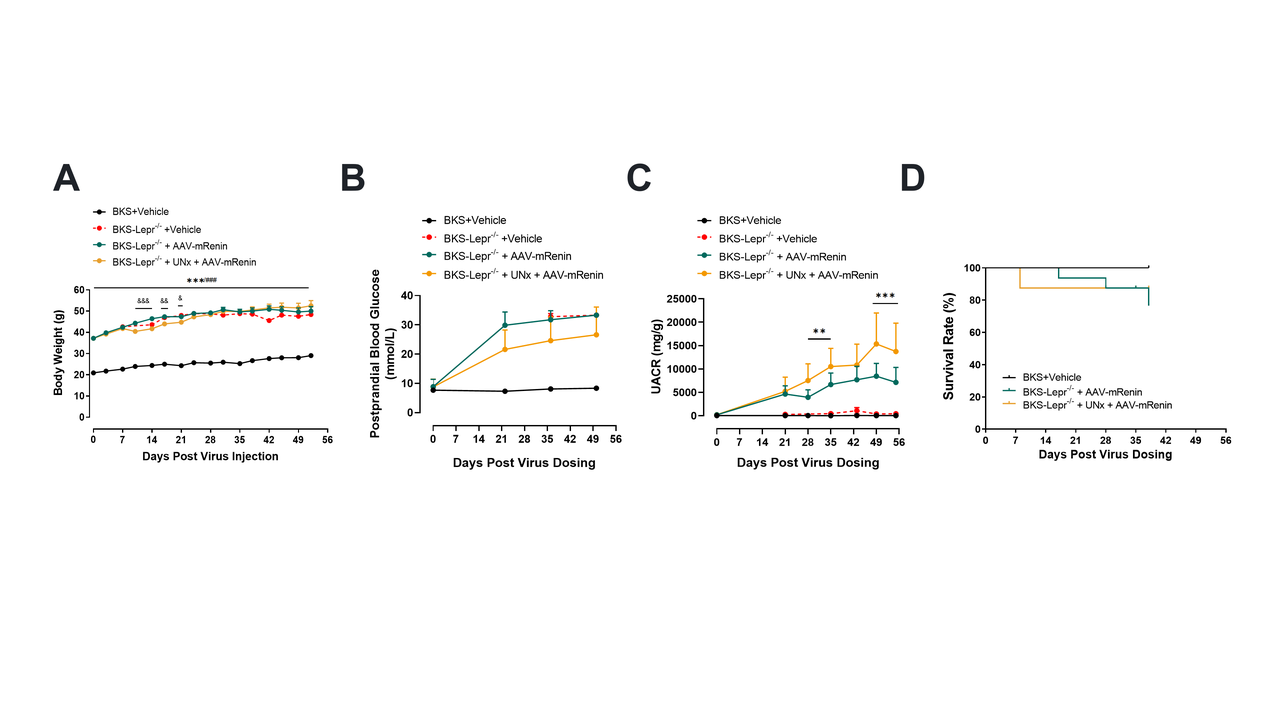
(A) Body weight: Lepr(-/-) groups gained more weight. (B) Blood glucose: severe hyperglycemia in the Lepr(-/-) groups. (C) UACR: marked increase, most severe in BKS-db+AAV-mREN and BKS-db+UNX+AAV-mREN group. (D) Survival curve of BSK+Vehicle, BKS-db+AAV-mREN and BKS-db+UNX+AAV-mREN.
Cardiac Fibrosis in the BKS-db CKM Model.
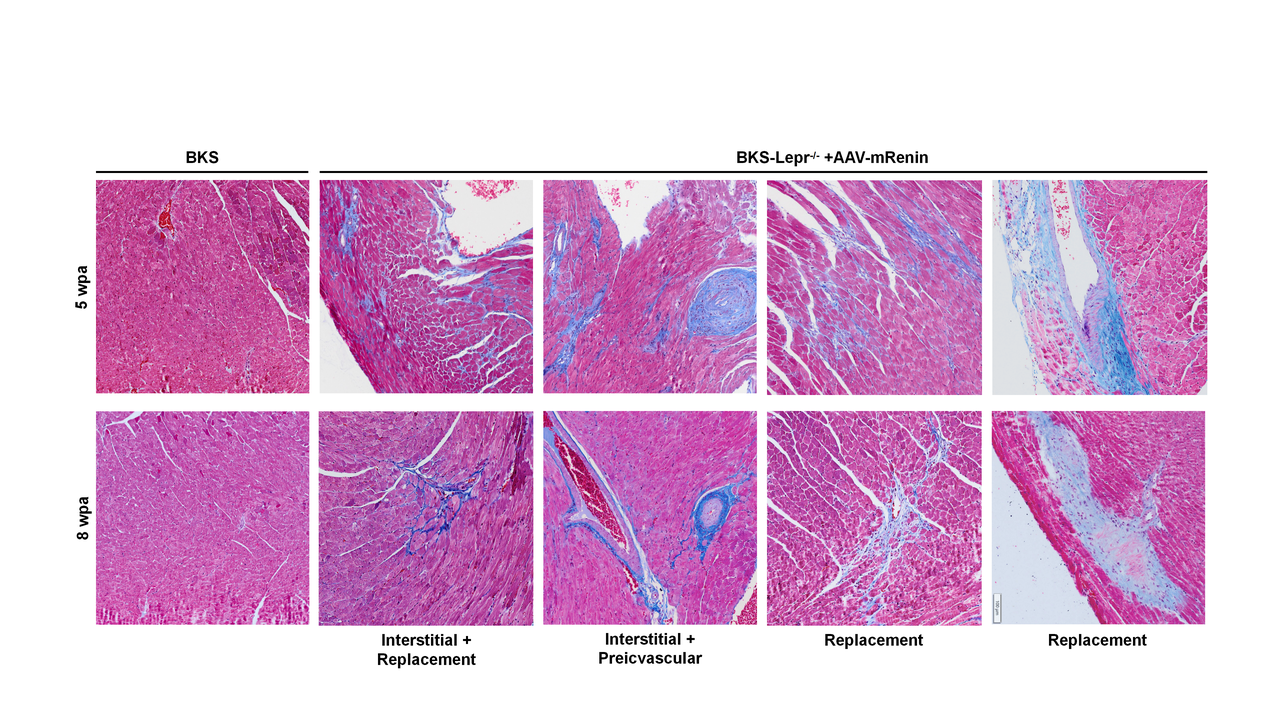 H&E-stained sections at 5 and 8 weeks post-administration. Control (BKS) muscle shows normal architecture. The model group (BKS-Lepr-/- + AAV-mRenin) exhibits progressive fibrosis: interstitial, perivascular, and severe replacement fibrosis, which is more extensive at 8 weeks.
Renal Histopathology in BKS-db CKM Model.
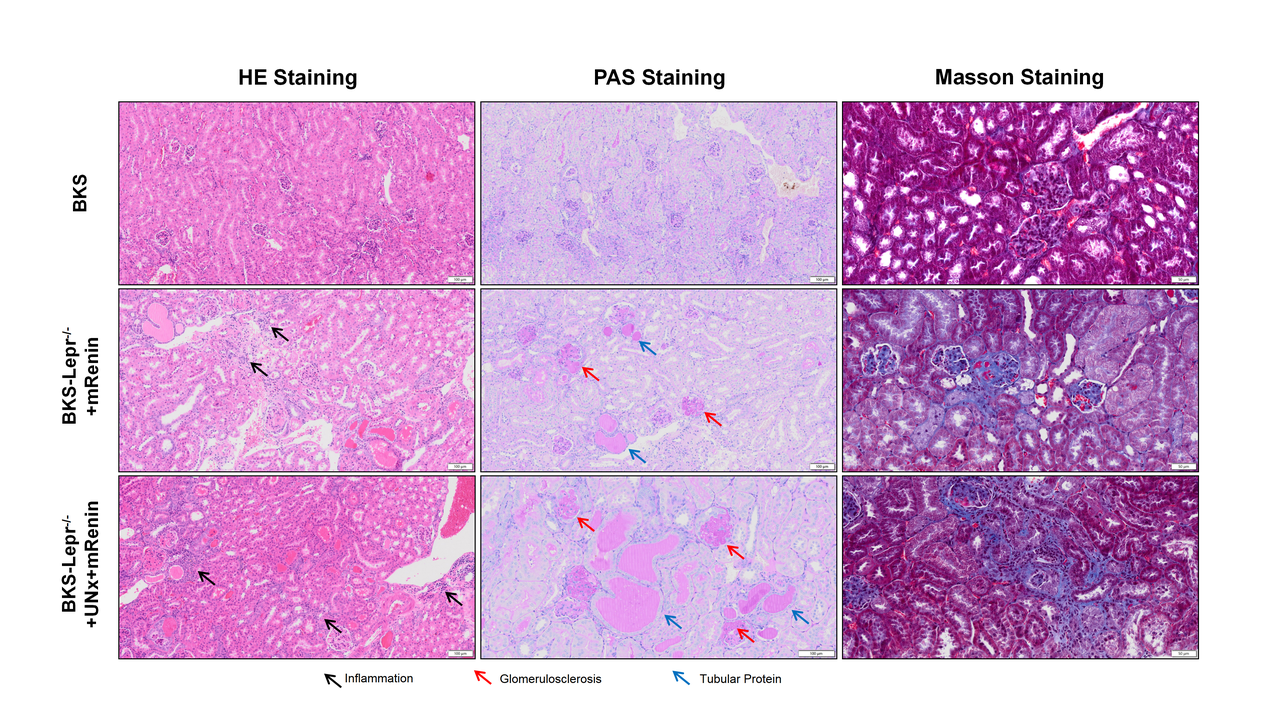 Kidney sections from three groups: Control (BKS), Model 1 (BKS-Lepr-/- + AAV-mRenin), and Model 2 (BKS-Lepr-/- + UNx + AAV-mRenin). H&E (shows inflammation, black arrows), PAS (highlights glomerulosclerosis, red arrows; and tubular casts, blue arrows), and Masson's trichrome (collagen/fibrosis in blue). Pathology severity increases in both models.
Quantitative Kidney Pathology Scores.
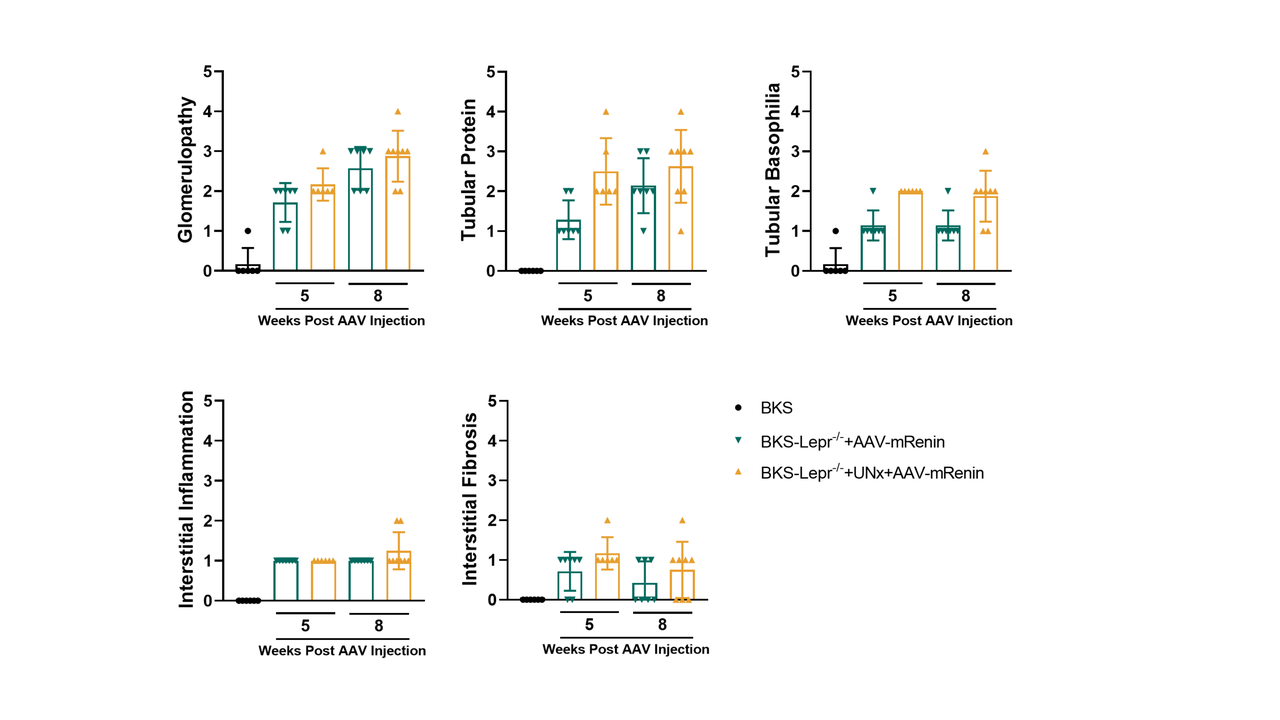 Bar graphs (5 & 8 wpa) for groups: BKS (●), BKS-Lepr-/- + AAV-mRenin (▼), BKS-Lepr-/- + UNx + AAV-mRenin (△). Parameters: glomerulopathy, tubular protein (cast), tubular basophilia, interstitial inflammation, and interstitial fibrosis scores.
Drug Treatment Ameliorates Renal Injury.
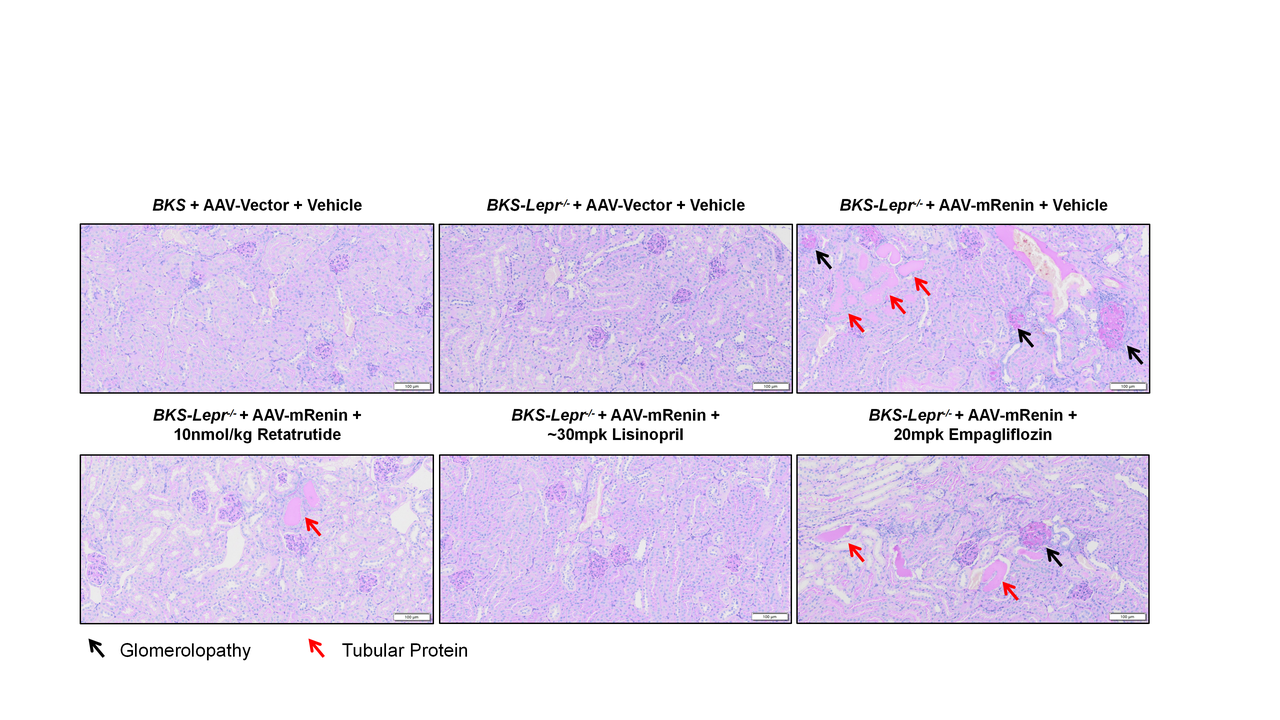 Retatrutide, Lisinopril, and Empagliflozin all improved injury/fibrosis phenotypes. Empagliflozin reduced protein casts and glomerulosclerosis. Retatrutide showed no glomerulosclerosis and markedly fewer casts. Lisinopril nearly reversed the injury phenotype.
Quantitative Pathology Scores by Treatment.
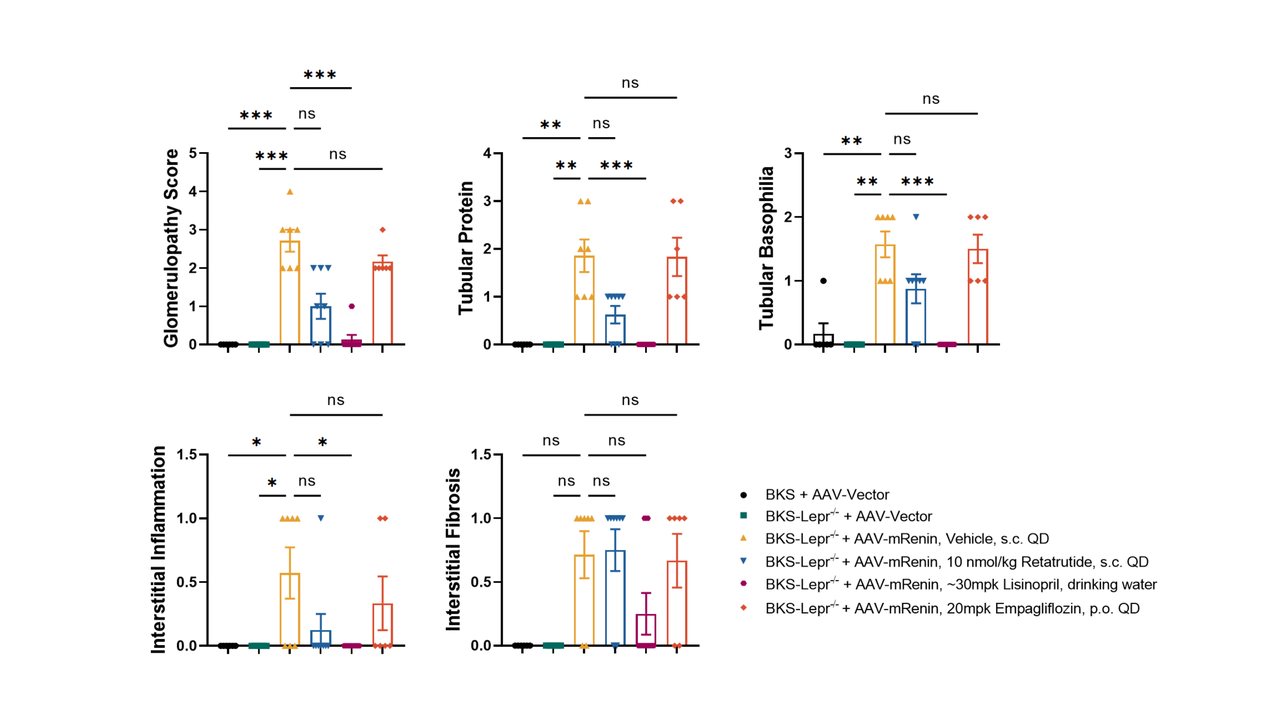 Empagliflozin significantly reduced glomerulosclerosis and inflammation scores. Retatrutide lowered all scores except interstitial fibrosis. Lisinopril restored all indices to near-control levels, with only interstitial fibrosis mildly elevated.
Drug Effects on Concentric Hypertrophy.
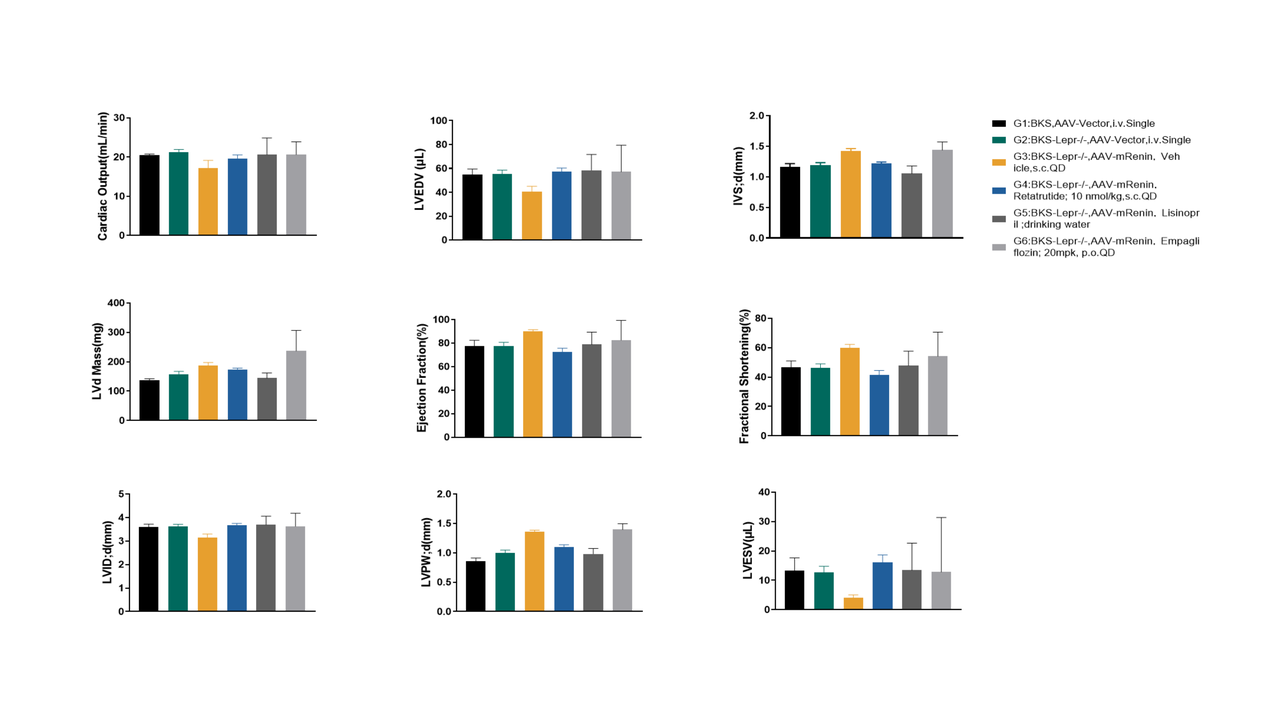 Retatrutide and Lisinopril effectively reversed hypertrophy, evidenced by reduced wall thickness and LV mass, with altered chamber volumes and function. Empagliflozin provided milder improvement.

hAGT+STZ+hRenin
CKM Model Dased on AGT Humanized Mice.
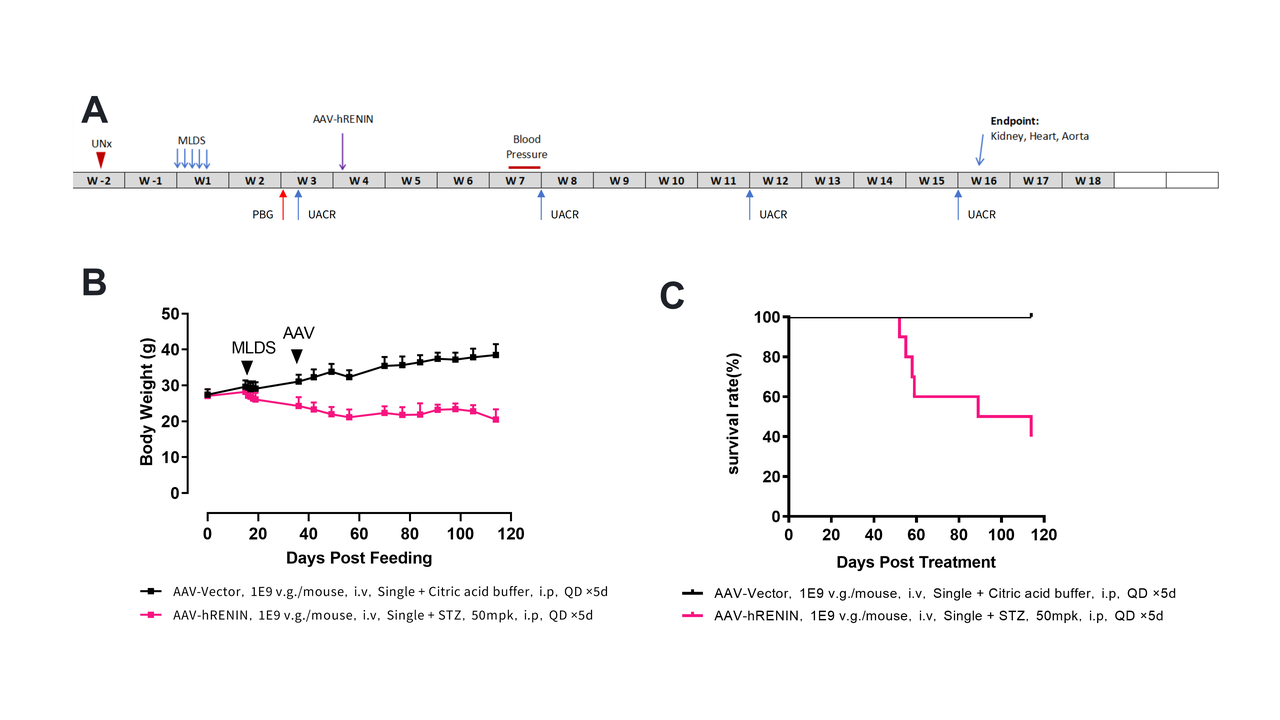 (A) Experimental timeline. (B) Body weight: STZ+AAV-mREN group shows significant weight loss vs. control. (C) Induced group exhibits significantly reduced survival post-induction.
Metabolic and Renal Parameters in the STZ+AAV-mREN Model.
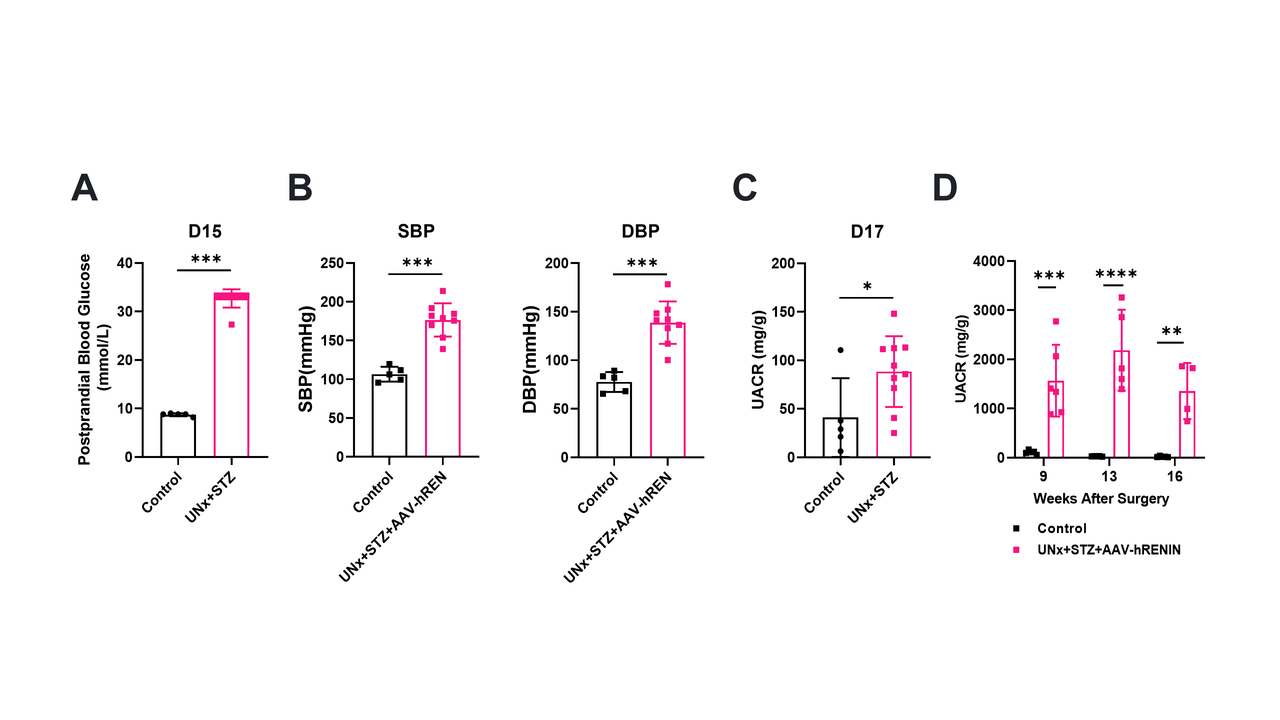 (A) Postprandial blood glucose, (B) Blood pressure, and (C-D) UACR levels are all significantly elevated in the experiemntal group compared to control. Data shows increased glycemia, BP, and renal injury markers.
STZ+AAV-mREN Model Exhibits Cardiorenal Pathology
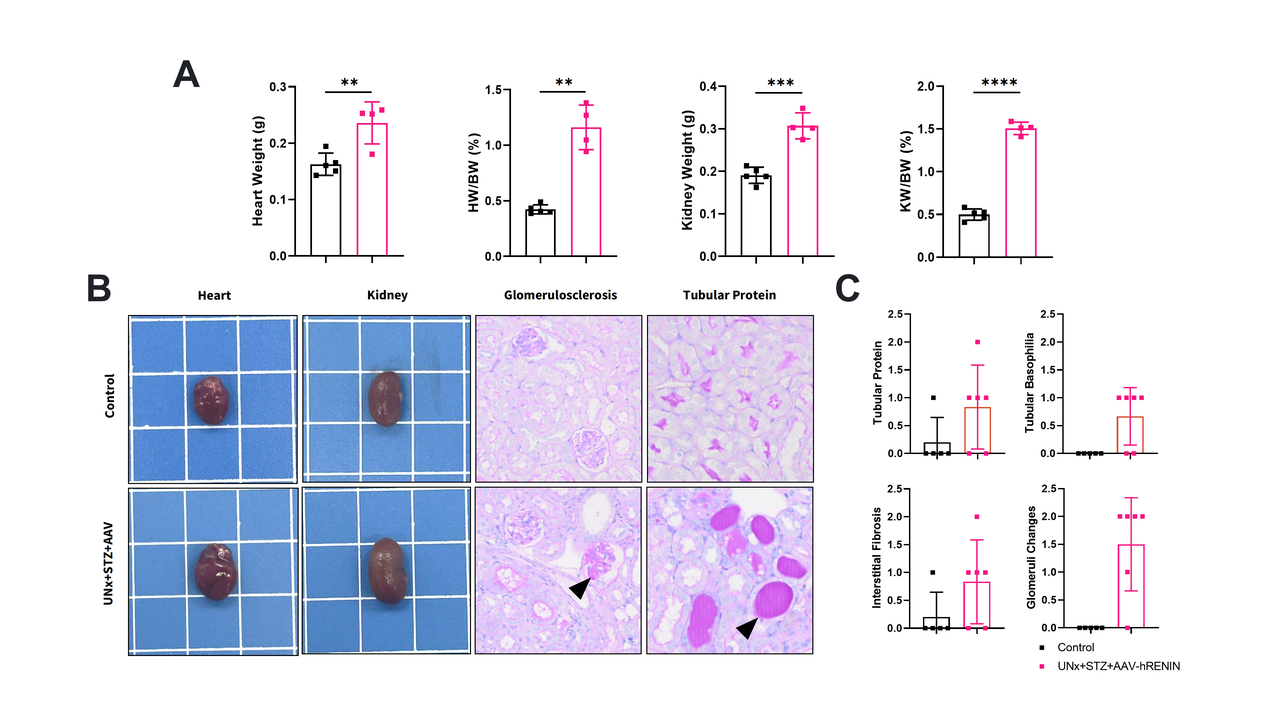 (A) HW, KW, and HW/BW ratio are significantly elevated vs. control. (B) Gross morphology shows enlarged heart/kidney; HE staining reveals protein casts and glomerulosclerosis. (C) Renal pathology scores are significantly increased across all indices.
All Product Lines
Browse our comprehensive catalog of over 30,000 mouse models covering various gene families, signaling pathways, and disease models. Use advanced filters to find the perfect model for your research.


- 1
- 2
- 3
- 4
- 5
- 6
- 9
Recommended for You
Discover related models and services to accelerate your research

Accelerate Your Research
Download



Newsletter Signup


We value your privacy
This website will store cookies on your computer. These cookies are used to collect information about how you interact with this website and enable us to remember you. We use this information to improve and customize your browsing experience, as well as to analyze and collect relevant data and metrics about visitors on this website and other platforms. For more information about the cookies we use, please refer to our privacy policy
If you decline, your information will not be tracked when visiting this website. A cookie will be used in your browser to remember your preference settings that you have not accepted.
Contact Us
Schedule a Meeting
Let us know which event you're attending and we'd be happy to connect with you.