


- By Indication
 Inflammatory and Autoimmune DiseasesRespiratory DiseasesInfectious DiseasesRare DiseaseGut Microbiota Research ServiceBy Modality
 Preclinical Model Strategies for T-Cell Engagers: From Oncology to Autoimmune Disease
 2026-10-27
 11:00 AM ET
 Dr. Wanjun Yuan & Dr. Haiqiao SunOne TCE Modality. Two Disease Contexts. Different Preclinical Questions.
'/%3e%3c/svg%3e)

Rare Disease

- 20+Rare Disease Models
- 15+Validated Case Studies
- 10+Years of Model Development Experience
- 22,000+KO and cKO Models
Our Advantages
Industry-Leading Capabilities for Rare Disease Research

CExtensive Disease Coverage & Precise Model Construction
Our model library, developed using CRISPR/Cas9, transgenic, and point mutation technologies, encompasses over 20 focused developmental rare diseases including phenylketonuria (PKU), Fabry disease, Wilson's Disease, Hypophosphatasia, Hyperhomocysteinemia, and Achondroplasia.
01
Flexible Dosing Techniques & Customizable Study Designs Our platform suppo
Our platform supports a wide range of administration routes for evaluating diverse therapeutic modalities, including siRNA, AAV vectors, LNP vectors, and human-specific protein/peptides.
02
Model Library
Case Studies & Validation Data
Metabolic Disorders: Modeling Inborn Errors of Metabolism
B6-Pah-KO (T011802) - Phenylketonuria (PKU)

Disease: Phenylketonuria
Genetic Background: C57BL/6JGpt
Construction Method: CRISPR/Cas9 knockout of the Pah gene.
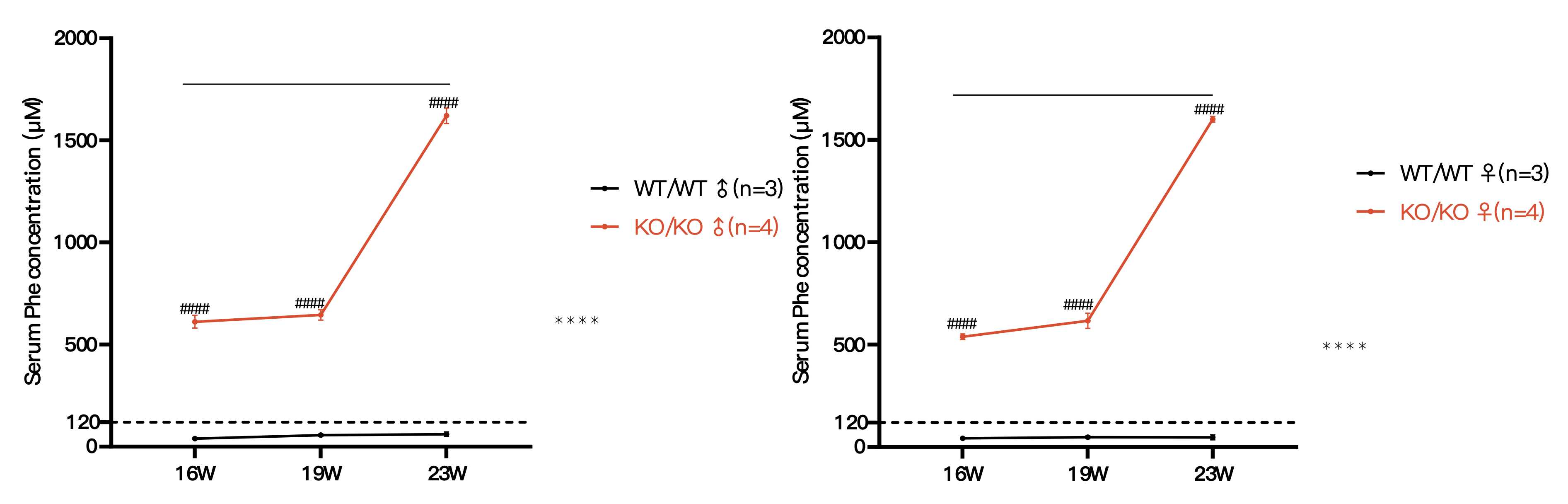
Key Phenotypic Characteristics: Homozygous mice develop severe hyperphenylalaninemia. Upon switching from a low-phenylalanine diet to a regular diet, serum phenylalanine levels reach 1600 μM, recapitulating the severe biochemical hallmark of PKU.
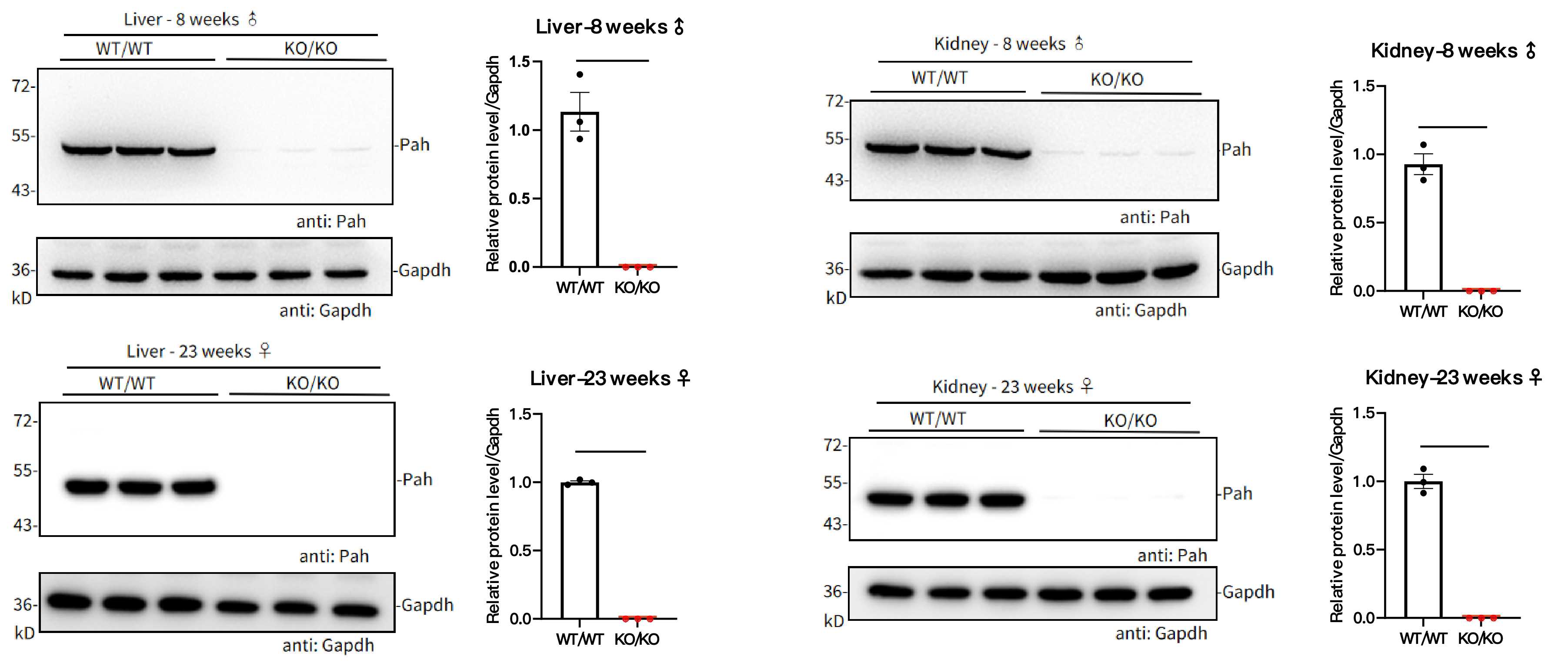
Molecular/Protein Validation: Western blot analysis confirms complete absence of Pah protein expression in both liver and kidney tissues of homozygous knockout mice compared to wild-type controls.
Applications: Essential for research into PKU disease mechanisms and for the preclinical evaluation of dietary therapies, enzyme replacement therapies, and gene therapies targeting phenylalanine metabolism.
B6-Fah-KO (T052634) - Tyrosinemia
Disease: Tyrosinemia Type I
Genetic Background: C57BL/6JGpt
Construction Method: CRISPR/Cas9 knockout of the Fah gene.
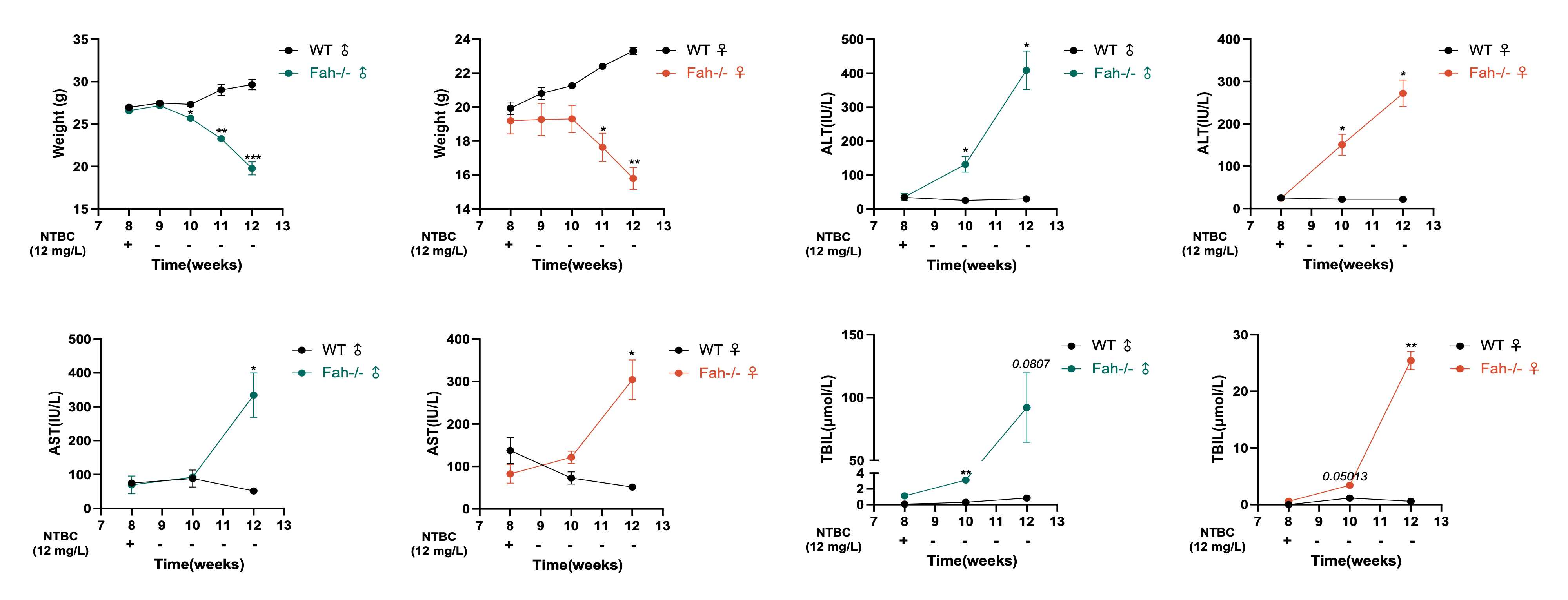
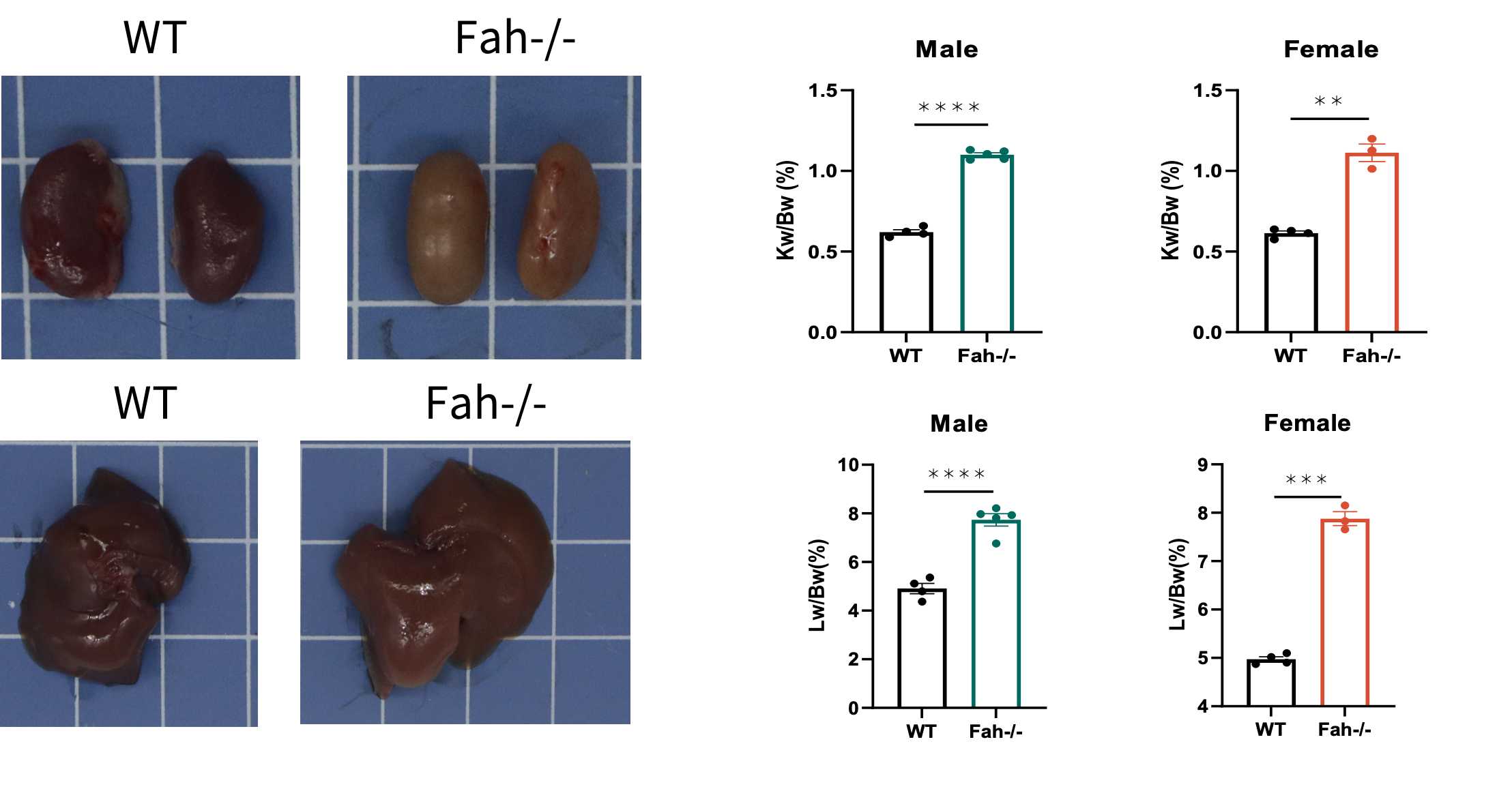
Key Phenotypic Characteristics: Mice develop spontaneous tyrosinemia. Withdrawal of the protective drug NTBC leads to hepatorenal toxicity, manifested by swollen liver and kidney and significantly elevated serum ALT, AST, and total bilirubin (TBIL) levels.
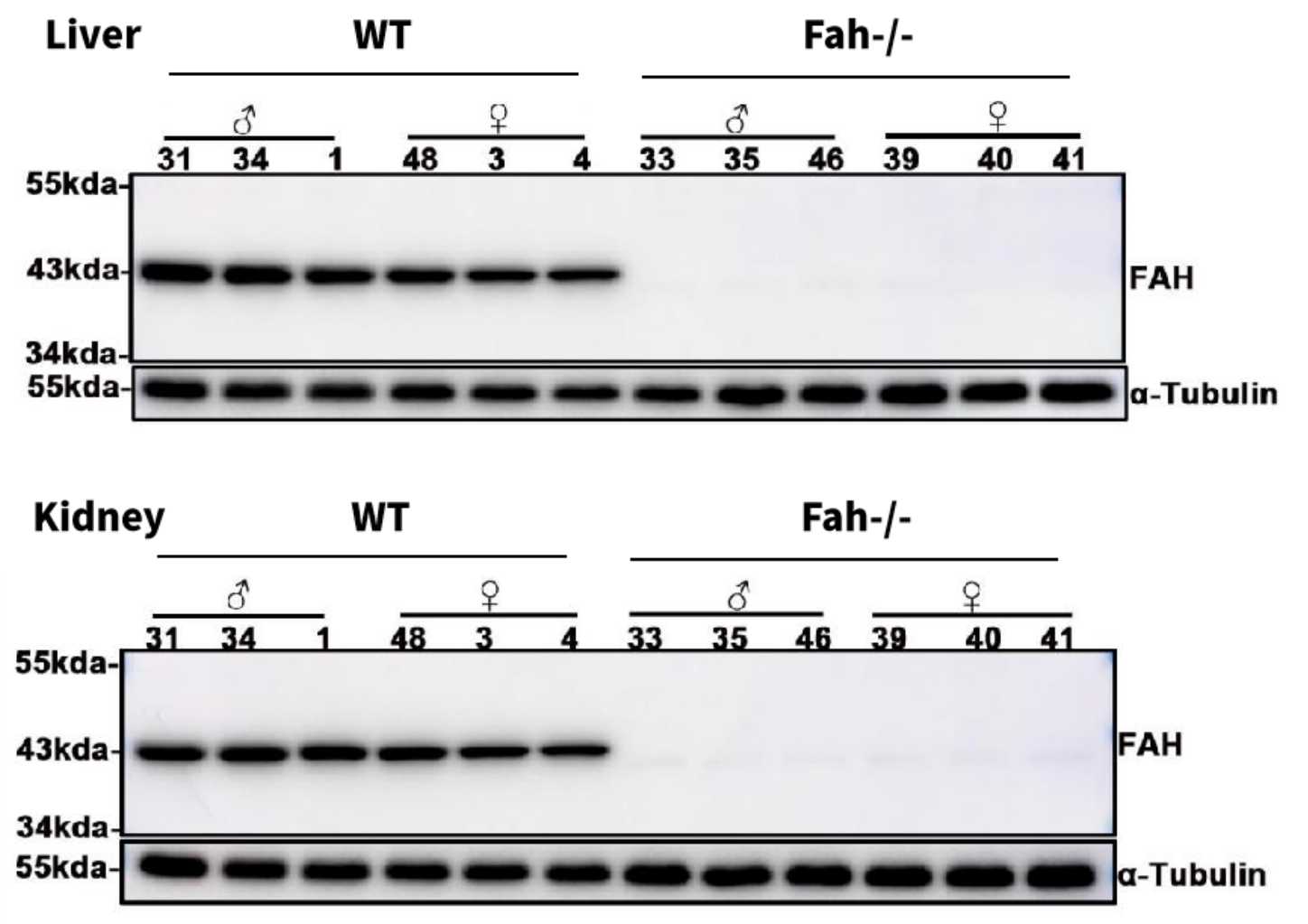
Molecular/Protein Validation: No Fah protein is detected in liver or kidney tissues via specific assays.
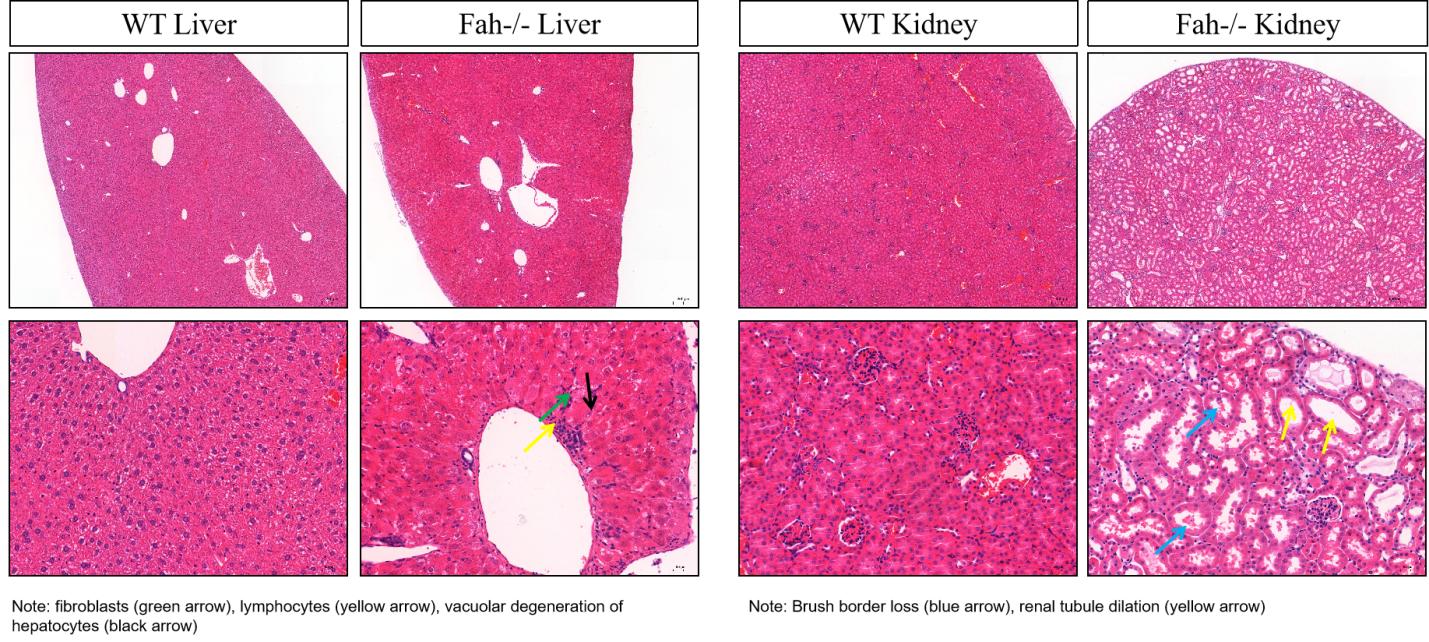
Histopathological Findings: Liver and kidney sections reveal lesions characterized by infiltration of fibroblasts and lymphocytes, along with vacuolar degeneration of hepatocytes.
Applications: A robust model for studying tyrosinemia pathogenesis and testing hepatoprotective agents, liver-directed gene therapy, and novel enzyme stabilizers.
B6-Atp7b-KO (T013709) - Wilson's Disease
Disease: Hepatolenticular Degeneration
Genetic Background: C57BL/6JGpt
Construction Method: CRISPR/Cas9 knockout of the Atp7b gene.
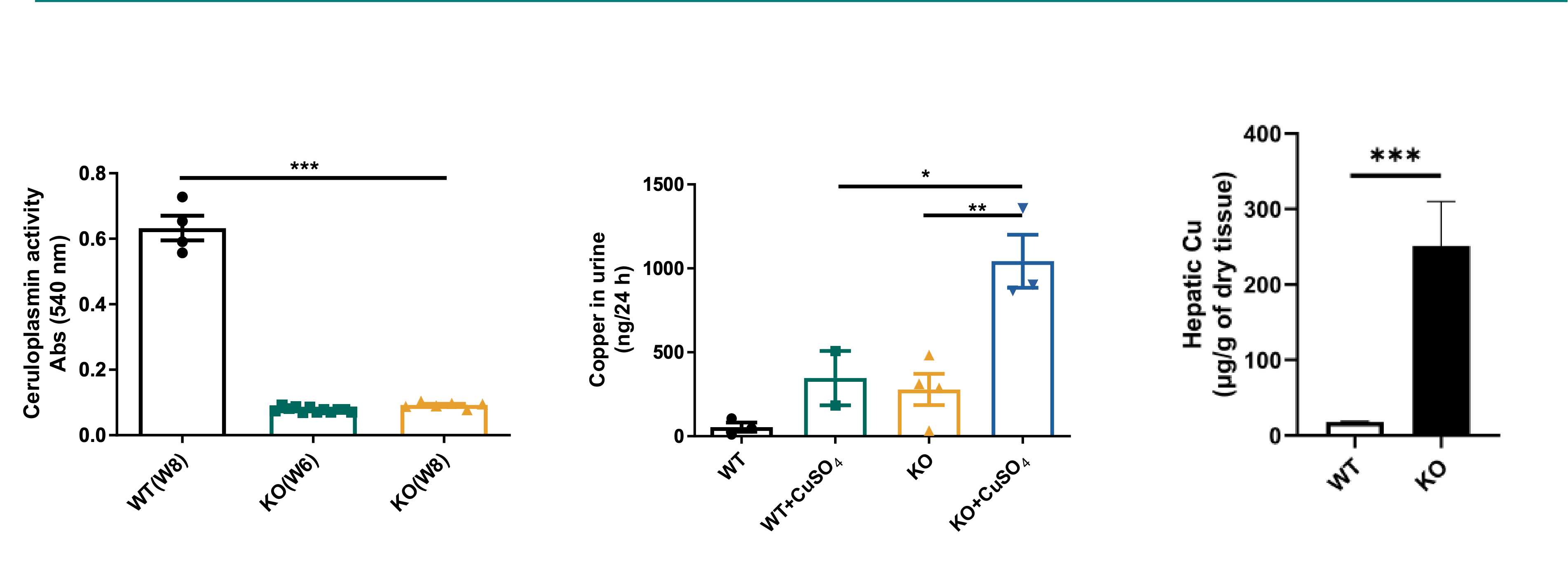
Key Phenotypic Characteristics: Homozygous mice exhibit profound copper metabolism dysfunction. This includes a significant decrease in serum ceruloplasmin activity and a marked increase in urinary copper excretion following intraperitoneal injection of CuSO₄.
Histopathological Findings: Liver pathology is prominent, featuring hepatocellular steatosis (fatty change) and noticeable hepatocyte enlargement.
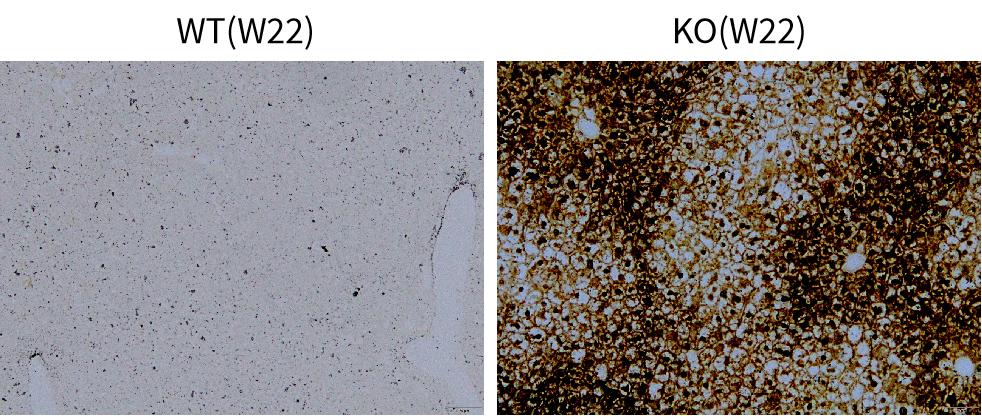
Applications: The premier model for investigating copper chelation therapy, evaluating novel ATP7B gene correction strategies, and studying the progression of hepatic and neurological damage in Wilson's disease.
B6-Abcb4-KO (T007421) - Progressive Familial Intrahepatic Cholestasis
Disease: Progressive Familial Intrahepatic Cholestasis Type 3
Genetic Background: C57BL/6JGpt
Construction Method: CRISPR/Cas9 knockout of the Abcb4 gene.
Key Phenotypic Characteristics: Mice aged 6-8 weeks show significantly elevated serum markers of liver injury: ALT, AST, and TBIL.
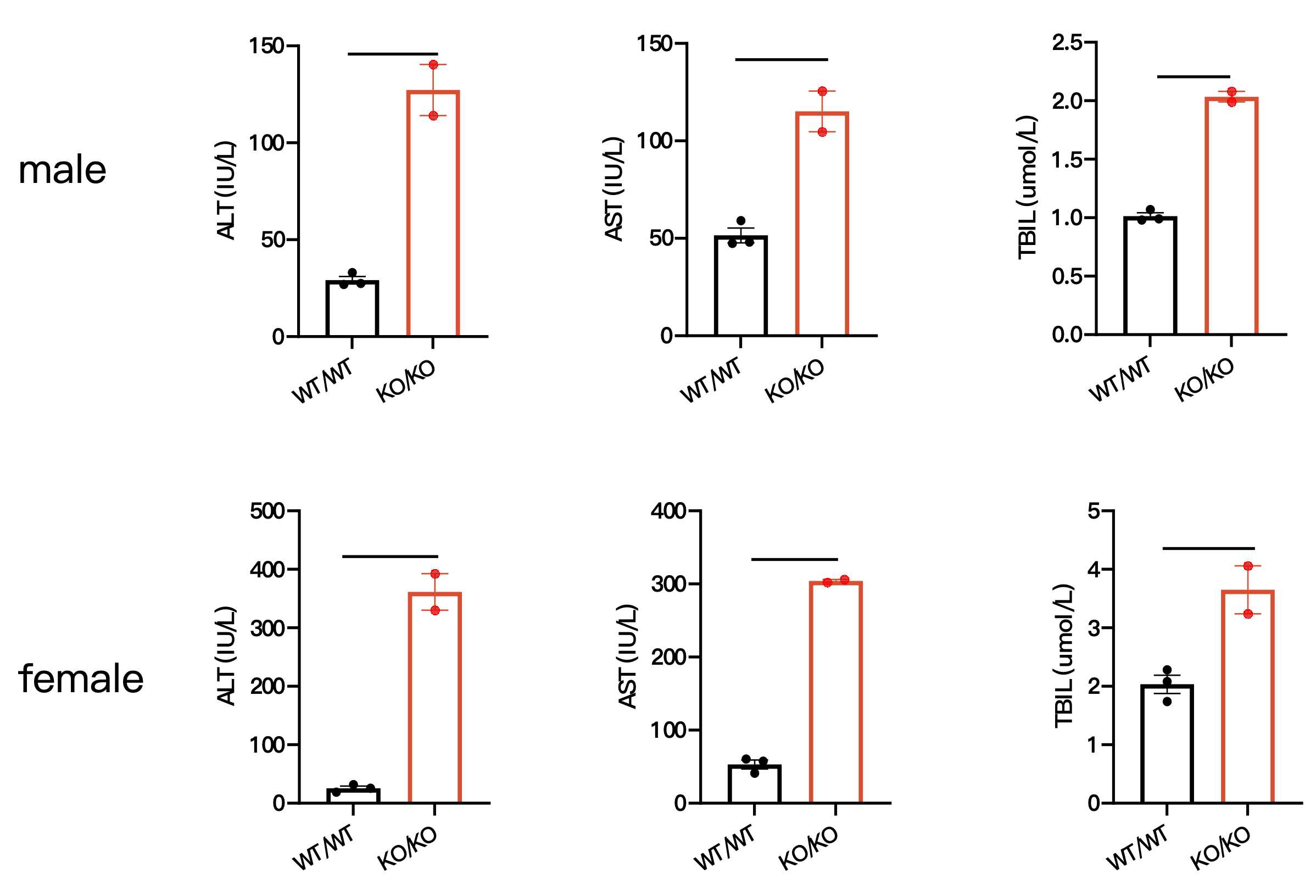
Histopathological Findings: Liver histology reveals a progressive cholestatic phenotype including periportal and interstitial fibrosis, inflammatory cell infiltration around portal tracts, bile duct proliferation, and hepatocyte degeneration and necrosis. This pathological profile worsens with age.
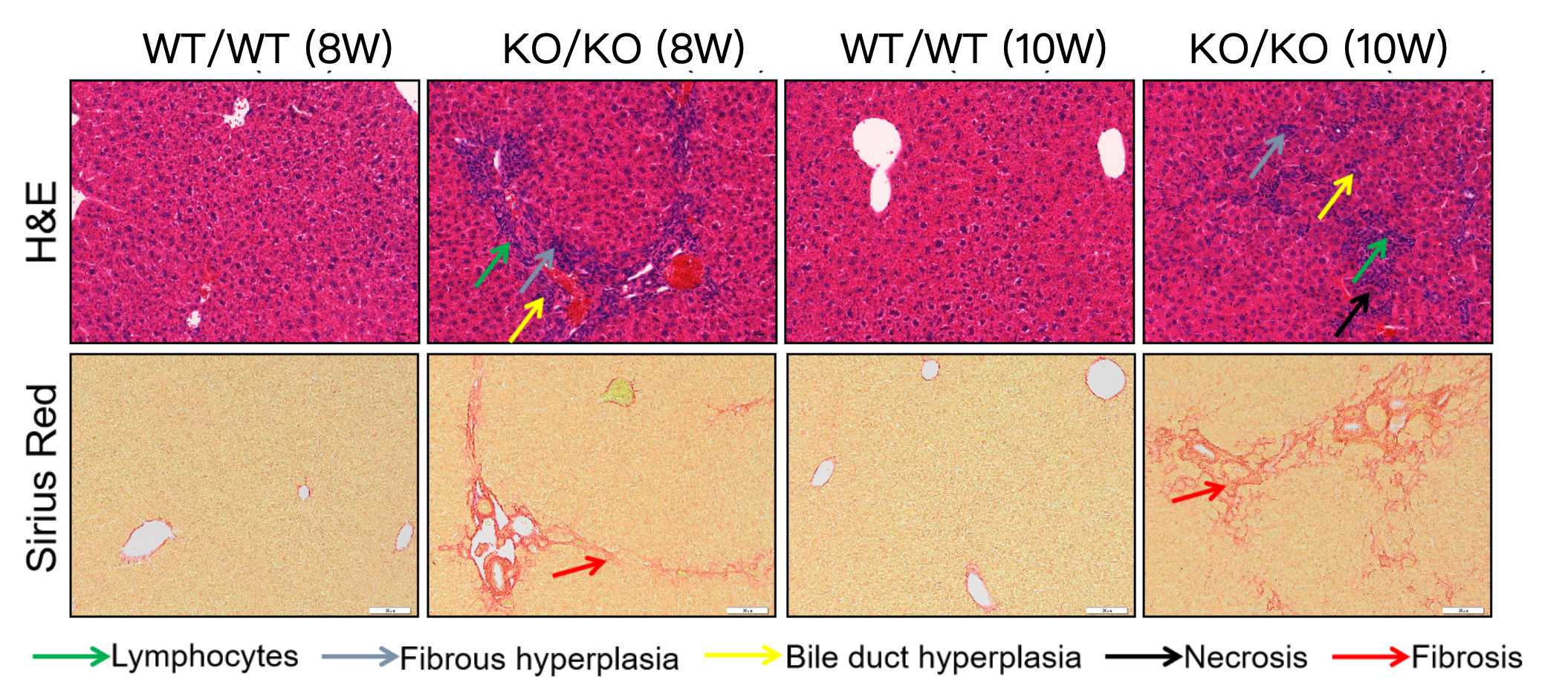
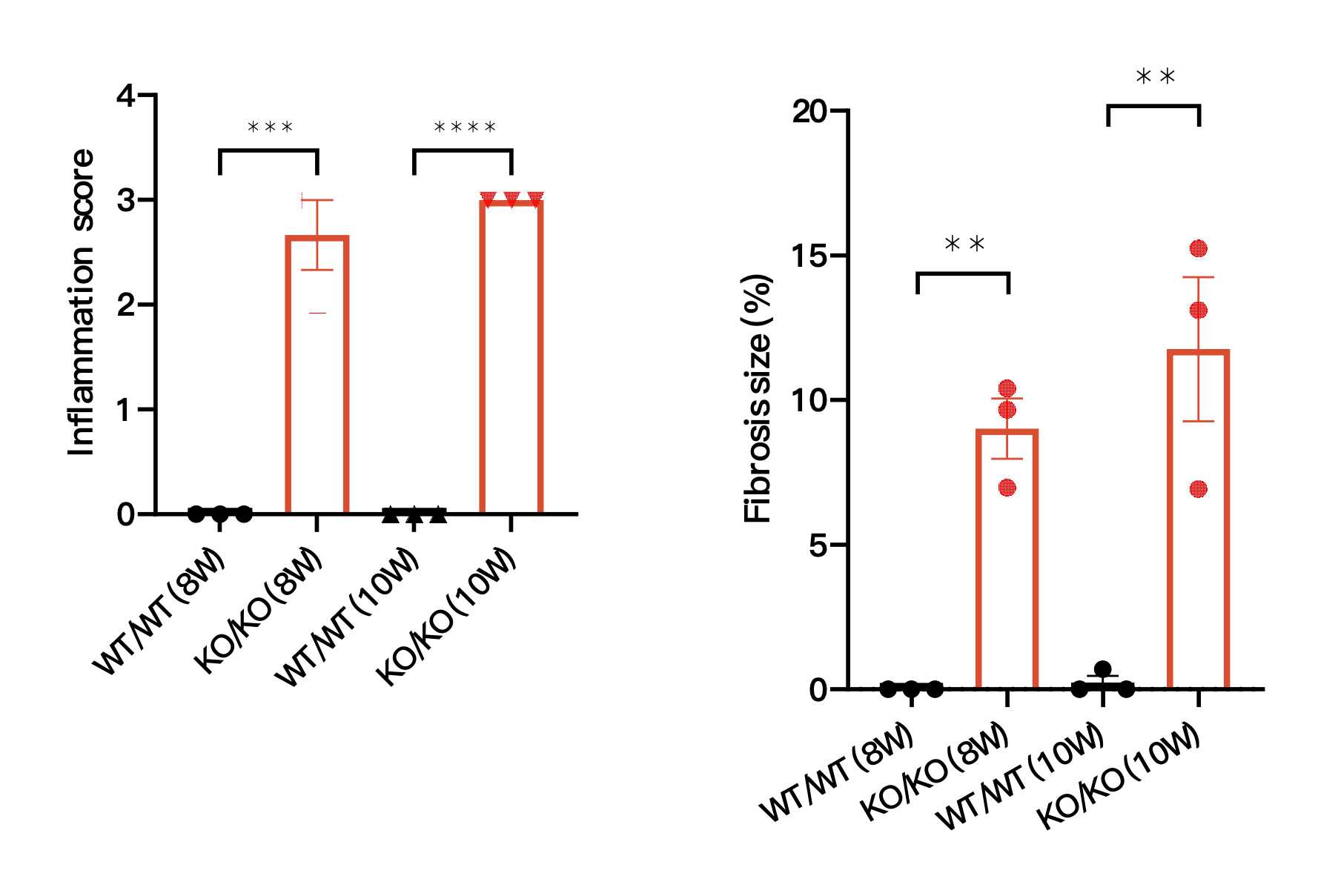
Applications: Critical for modeling PFIC3 and testing novel choleretic agents, anti-fibrotic therapies, and gene-based interventions aimed at restoring biliary phospholipid secretion.

Neuromuscular Diseases
B6-Col7a1-KO (T043979) - Disease: Dystrophic Epidermolysis Bullosa
Genetic Background: C57BL/6JGpt
Construction Method: CRISPR/Cas9 knockout of the Col7a1 gene.
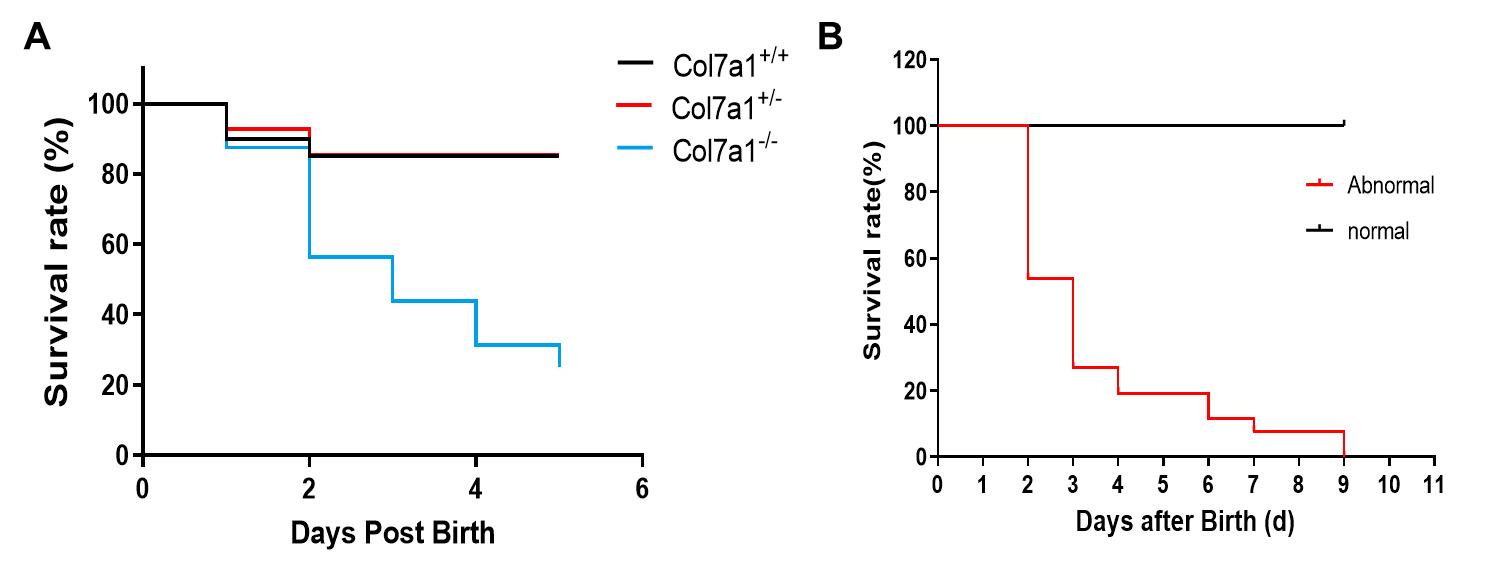
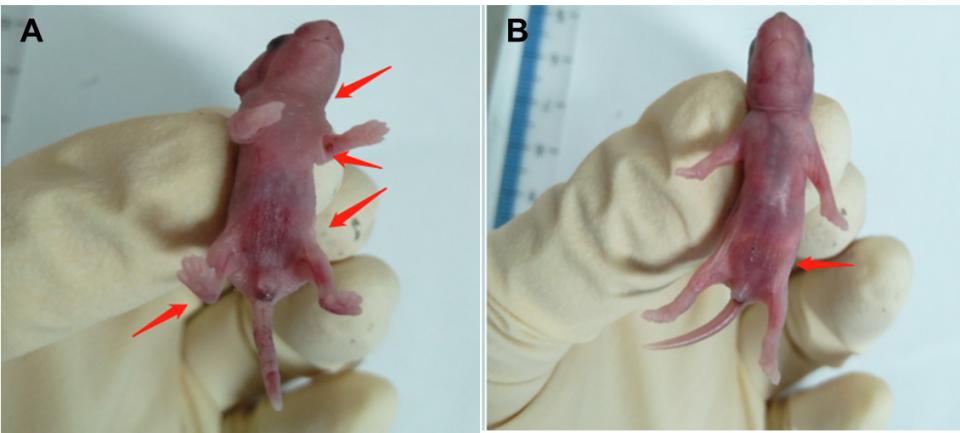
Key Phenotypic Characteristics: Homozygous mice display a severe neonatal lethality phenotype. Survivors exhibit severe abdominal congestion and wrinkled skin in the neck region as early as postnatal day 2 (P2).
Applications: A critical model for the severe recessive form of DEB, used for testing protein replacement therapies, gene editing approaches to restore COL7A1 expression, and advanced wound care strategies.
Lysosomal Storage Disorders
Gla-KO (NO.T012717) -Fabry Disease
Genetic Background: C57BL/6JGpt
Construction Method: CRISPR/Cas9 knockout of the α-galactosidase A (Gla) gene.
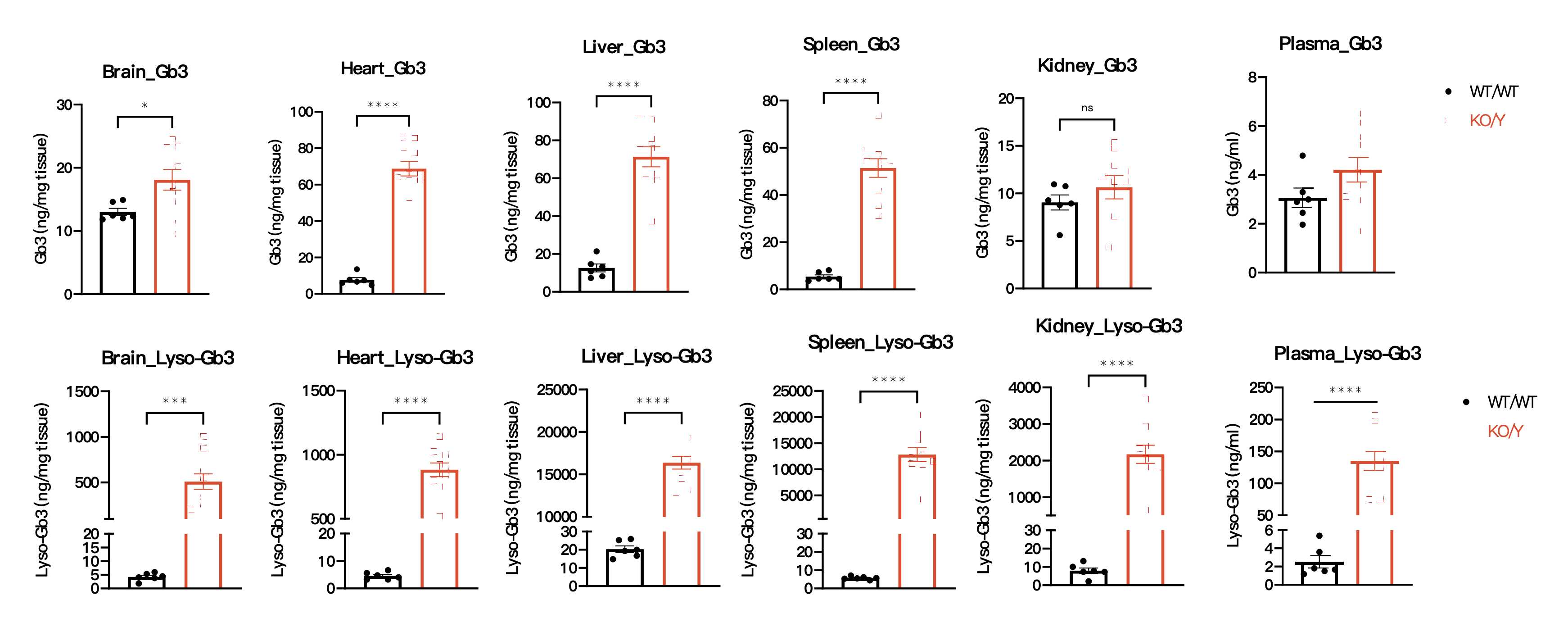
Key Phenotypic Characteristics: Mice exhibit significantly reduced GLA enzyme activity in the liver, kidney, heart, and brain. Correspondingly, GLA mRNA expression, Gb3 and Lyso-Gb3 levles is significantly downregulated in the liver and brain.

Applications: A model for Fabry disease, suitable for testing enzyme replacement therapy (agalsidase alfa/beta), chaperone therapy (migalastat), and next-generation gene therapies.
Models for Research


- 1
- 2
- 3
- 4
Recommended for You
Discover related models and services to accelerate your research

Accelerate Your Research
Download



Newsletter Signup


We value your privacy
This website will store cookies on your computer. These cookies are used to collect information about how you interact with this website and enable us to remember you. We use this information to improve and customize your browsing experience, as well as to analyze and collect relevant data and metrics about visitors on this website and other platforms. For more information about the cookies we use, please refer to our privacy policy
If you decline, your information will not be tracked when visiting this website. A cookie will be used in your browser to remember your preference settings that you have not accepted.


Contact Us
Schedule a Meeting
Let us know which event you're attending and we'd be happy to connect with you.