


'/%3e%3c/svg%3e)

- By Indication
 Inflammatory and Autoimmune DiseasesRespiratory DiseasesInfectious DiseasesRare DiseaseGut Microbiota Research ServiceBy Modality
 Preclinical Model Strategies for T-Cell Engagers: From Oncology to Autoimmune Disease
 2026-10-27
 11:00 AM ET
 Dr. Wanjun Yuan & Dr. Haiqiao SunOne TCE Modality. Two Disease Contexts. Different Preclinical Questions.

'/%3e%3c/svg%3e)
'/%3e%3c/svg%3e)

Metabolic
Expanding Therapeutic Horizons for GLP-1R Beyond Weight Loss
GLP-1R-based medicines have moved from type 2 diabetes to weight management and are now being evaluated as multi-organ therapies for cardiometabolic, renal, hepatic and obesity-related complications. As GLP-1R therapies move beyond glucose and weight, so must the mouse models used to evaluate them. GemPharmatech’s integrated metabolic platform provides validated models—including DIO, hGLP-1R humanized, diabetic kidney disease, and HFD+CCl₄-induced MASH models—to support comprehensive evaluation of GLP-1-based therapies.
 2026-07-14
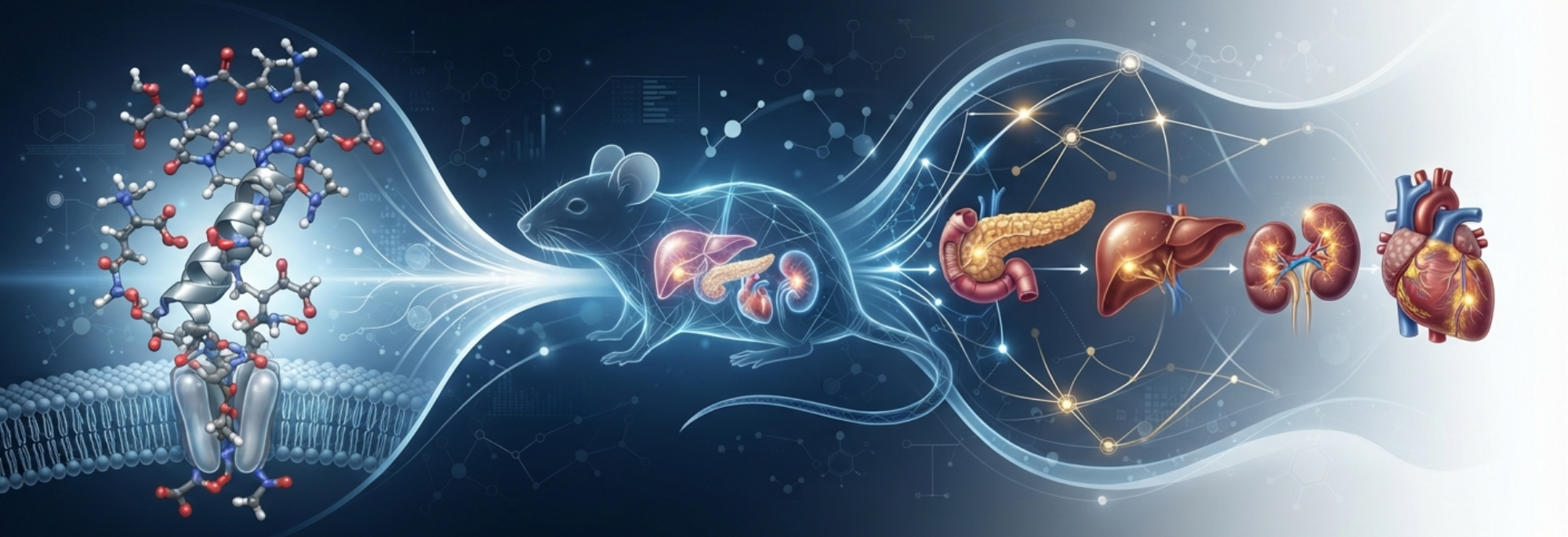
GLP-1R-based medicines have moved from type 2 diabetes to weight management and are now being evaluated as multi-organ therapies for cardiometabolic, renal, hepatic and obesity-related complications. As GLP-1R therapies move beyond glucose and weight, so must the mouse models used to evaluate them. This blog traces that expansion from GLP-1R biology through the latest clinical data and outlines the preclinical model systems needed to support next-generation development.
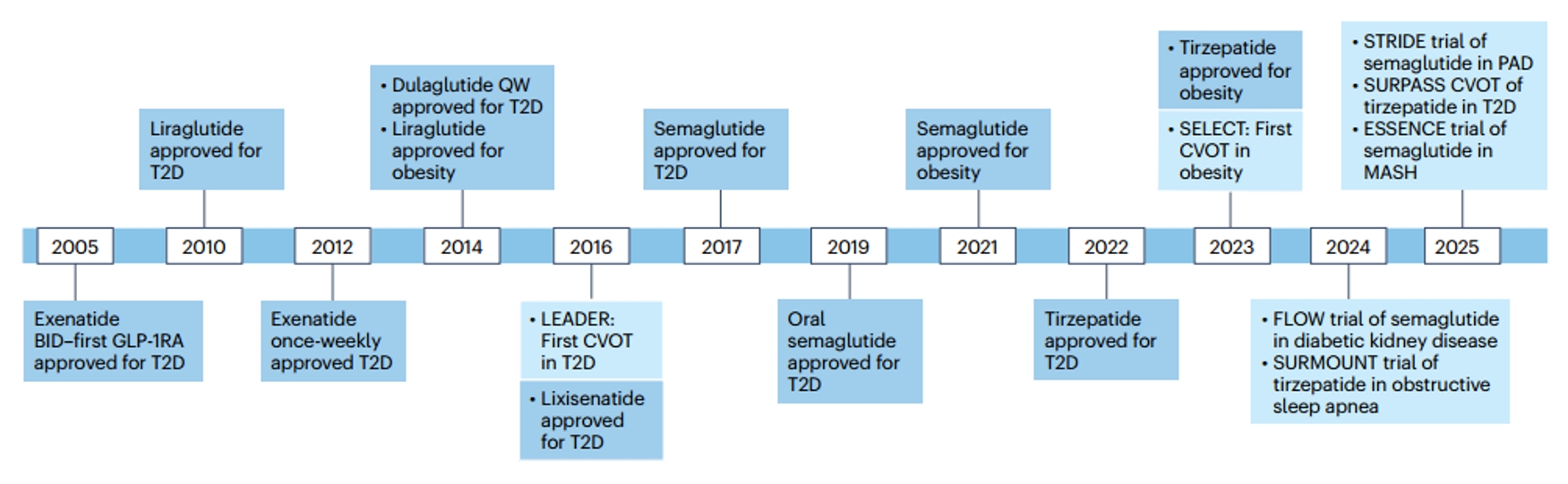
Figure 1. Timeline of major trials and approvals for GLP-1-based medicines. Key approval dates for representative GLP-1-based medicines and indications are shown along the timeline. Dark-blue shading denotes approval milestones, whereas light-blue shading denotes major clinical outcome trials. T2D, type 2 diabetes; CVOT, cardiovascular outcomes trial; PAD, peripheral artery disease; MASH, metabolic dysfunction-associated steatohepatitis. Adapted from Reference 2.
1. GLP-1R remains a central target in metabolic drug development
GLP-1 is an incretin hormone rapidly secreted by intestinal L cells after food intake. It promotes glucose-dependent insulin secretion, suppresses glucagon release, slows gastric emptying, and reduces appetite via central nervous system pathways, providing the biological basis for GLP-1–based therapies in type 2 diabetes and obesity.
Translationally, GLP-1R biology links pancreatic islet function, appetite control, body weight regulation and inflammation-metabolism crosstalk. The clinical success of semaglutide and tirzepatide has expanded GLP-1–based medicines from glucose-lowering treatments into a broader therapeutic platform for obesity and related comorbidities.
2. Expanding from glucose control to weight loss
The development of GLP-1–based medicines has evolved from short-acting to long-acting agents, from daily to weekly dosing, and from single GLP-1R agonism to multi-receptor agonism. Early drugs such as exenatide and liraglutide were mainly used for type 2 diabetes, while liraglutide and semaglutide later expanded GLP-1R therapy into chronic weight management.
Semaglutide and tirzepatide now represent leading GLP-1–based therapies. Semaglutide has generated strong outcome data in cardiorenal and metabolic liver disease settings, whereas tirzepatide, as a dual GLP-1R/GIPR agonist, shows particularly robust efficacy in glycemic control and body weight reduction.
3. Key clinical insights
Area | Example | Key Message |
T2D | Exenatide, Liraglutide, Semaglutide, Tirzepatide | GLP-1R drugs improve metabolic status by promoting insulin secretion, suppressing glucagon release, and reducing food intake. |
Obesity | STEP, SURMOUNT programs | Next-generation GLP-1–based therapies can achieve more pronounced weight loss; Tirzepatide has shown greater weight-reduction efficacy in head-to-head studies. |
CVD & HFpEF | SELECT, CVOTs | GLP-1 medicines have demonstrated benefits in cardiovascular benefits, including reduced major adverse cardiovascular events and improved symptoms in obesity-related HFpEF. |
Kidney | FLOW and diabetic kidney disease studies | Semaglutide significantly reduced the risk of kidney disease progression and cardiovascular death in patients with type 2 diabetes and chronic kidney disease. |
MASH | ESSENCE, metabolic liver disease studies | Metabolic liver disease represents an important expansion area for GLP-1–based therapies, involving inflammatory and fibrotic pathways. |
OSA & OA | SURMOUNT-OSA; osteoarthritis studies | Some of these benefits are associated with weight loss, while also suggesting new opportunities for the management of obesity-related complications. |
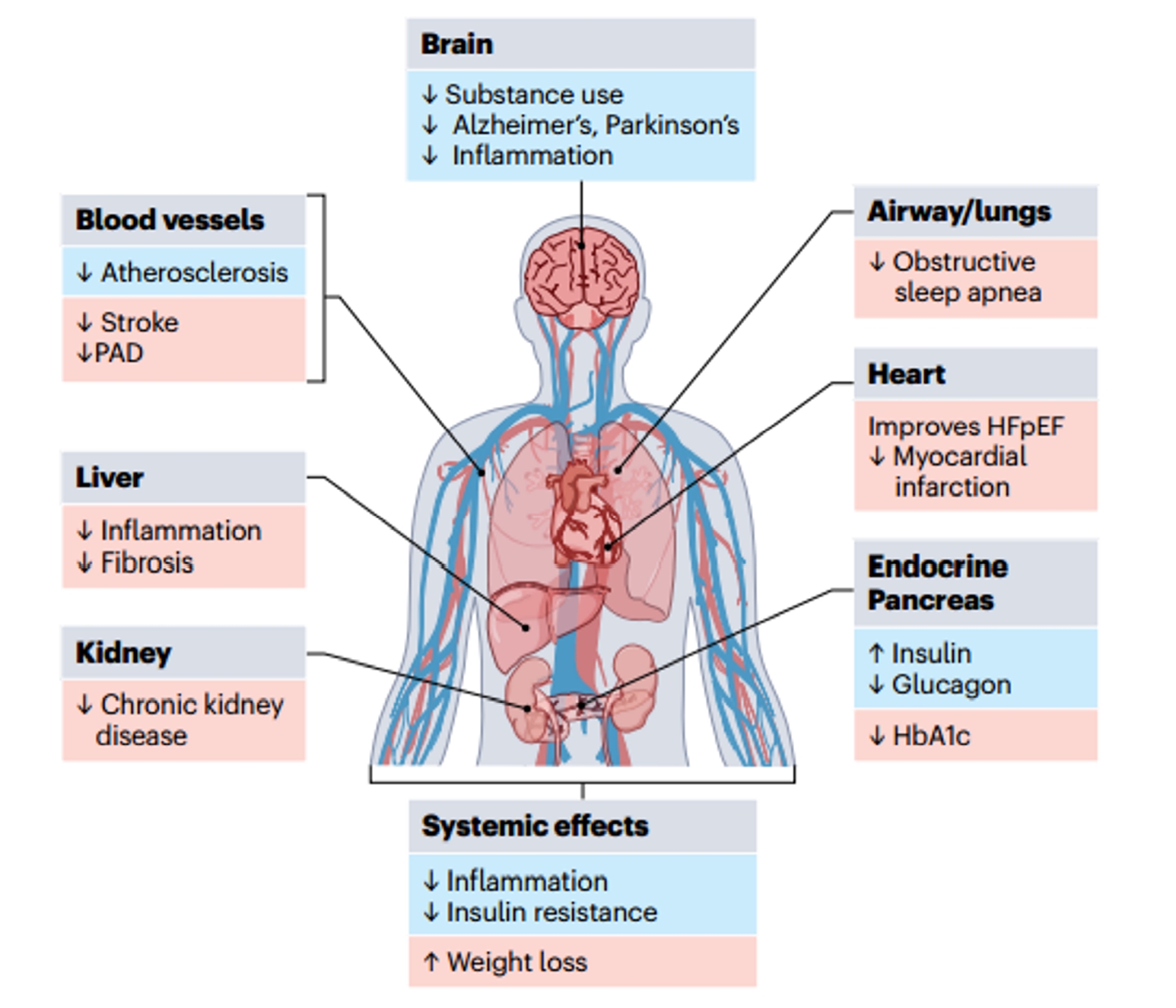
Figure 2. Multi-organ benefits and expanding therapeutic opportunities of GLP-1 medicines. Schematic sµmmary of clinical and translational areas associated with GLP-1-based medicines, including blood vessels, liver, kidney, brain, airway/lungs, heart, endocrine pancreas, and systemic metabolic effects. These areas should be interpreted according to the strength of available evidence; exploratory indications require further clinical validation. Adapted from Reference 2.
The expansion of GLP-1 medicines is no longer limited to glucose and body weight. Cardiovascular disease, obstructive sleep apnea, diabetic kidney disease, metabolic liver disease, osteoarthritis, and selected neuropsychiatric or inflammatory disorders are emerging as important clinical and R&D opportunities.
However, the strength of evidence differs across indications. Cardiovascular, renal, MASH and OSA indications are supported by stronger clinical evidence, whereas neurodegenerative disorders, substance use disorders and inflammatory bowel disease remain exploratory. For compliant communication, these areas should be described as “under investigation,” “potentially promising” or “requiring further clinical validation,” rather than as established indications.
4. Next-generation GLP-1–based medicines: stronger, more convenient, and more sustainable
Future competition in the GLP-1R field is not only about achieving greater weight loss. Highlights include multiple innovation paths, including oral small-molecule GLP-1R agonists, long-acting peptides, GLP-1R/GIPR dual agonists, GLP-1R/GCGR co-agonists, GLP-1R/GIPR/GCGR triple agonists, GLP-1R-amylin combinations and GIPR antagonist-GLP-1RA strategies.
These approaches aim to deliver greater weight loss, improved gastrointestinal tolerability, lower dosing frequency, better adherence, and potentially healthier body composition with preservation of muscle mass and function. For drug developers, the GLP-1R field is shifting from single-agent competition to integrated differentiation across mechanism, indication and long-term safety.
5. The implications for research and development
As GLP-1–based medicines expand beyond glucose lowering and weight loss into cardiac, renal, hepatic, sleep-related and inflammatory disorders, preclinical evaluation must move from single endpoints to multidimensional readouts. Body weight, fasting glucose and GTT/ITT alone are no longer sufficient to differentiate next-generation therapies. Depending on the indication, evaluation should include body composition, food intake, energy metabolism, hepatic TG, NAS score, fibrosis staining, inflammatory and lipid/bile acid markers, as well as UACR, serµm creatinine, BUN, renal histopathology, cardiac function and vascular inflammation. For programs aiming to preserve lean mass during weight loss, lean mass, muscle weight, grip strength, treadmill performance and rotarod function should also be considered.
Therefore, GLP-1R drug development requires not only strong target biology, but also robust animal model systems that reproduce disease progression, capture multi-organ endpoints and support combination therapy evaluation. Obesity, MASH, diabetic kidney disease, OSA-related metabolic phenotypes and sarcopenia-risk assessment are expected to become increasingly important in preclinical platforms. The GLP-1R story is no longer limited to glucose or body weight control; it reflects a broader shift from single-parameter efficacy to multi-organ protection, from short-term effects to long-term outcomes, and from single-target biology to mechanism-based combinations.
6. GemPharmatech’s advanced preclinical mouse models for GLP-1 therapeutic development
Model selection, pharmacodynamic endpoint design, and integrated evaluation strategies for GLP-1–related research in weight loss, CKD, and MASH.
Case 1: Efficacy evaluation of GLP-1–based therapies in the DIO model
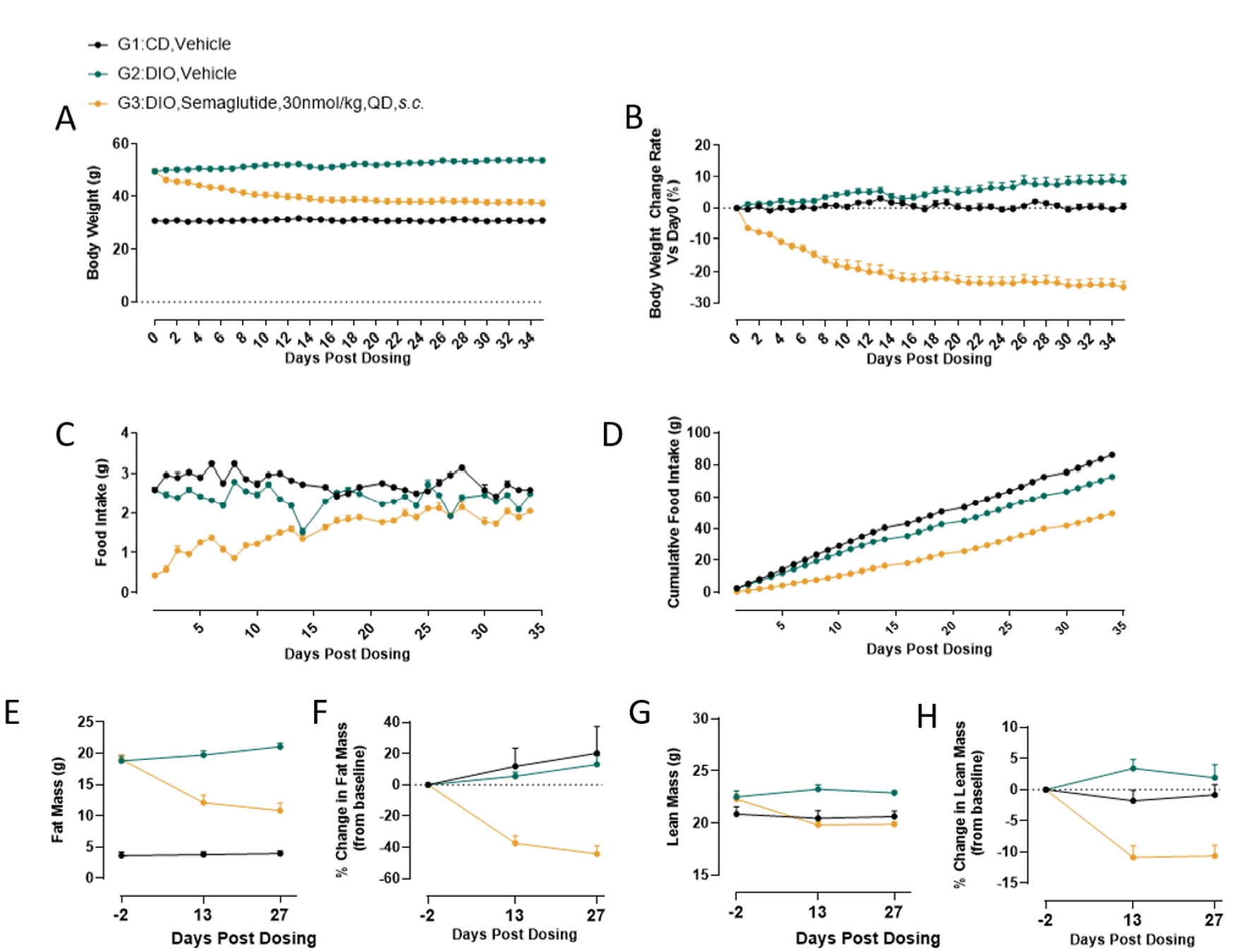
Figure 3. Efficacy of semaglutide in the diet-induced obesity (DIO) mouse model. DIO mice were assigned to chow diet (CD) + vehicle (G1), DIO + vehicle (G2), or DIO + semaglutide (30 nmol/kg, QD, s.c.; G3). (A) Body weight. (B) Body weight change rate versus day 0. (C) Daily food intake. (D) Cumulative food intake. (E) Fat mass at the indicated time points. (F) Percentage change in fat mass from baseline. (G) Lean mass at the indicated time points. (H) Percentage change in lean mass from baseline. Data are presented as mean ± SEM (n = 6–8 per group). In DIO mice, semaglutide reduced body weight, decreased food intake and fat mass/body fat percentage.
Case 2: Efficacy evaluation of GLP-1–based therapies in hGLP-1R mice on HFD model
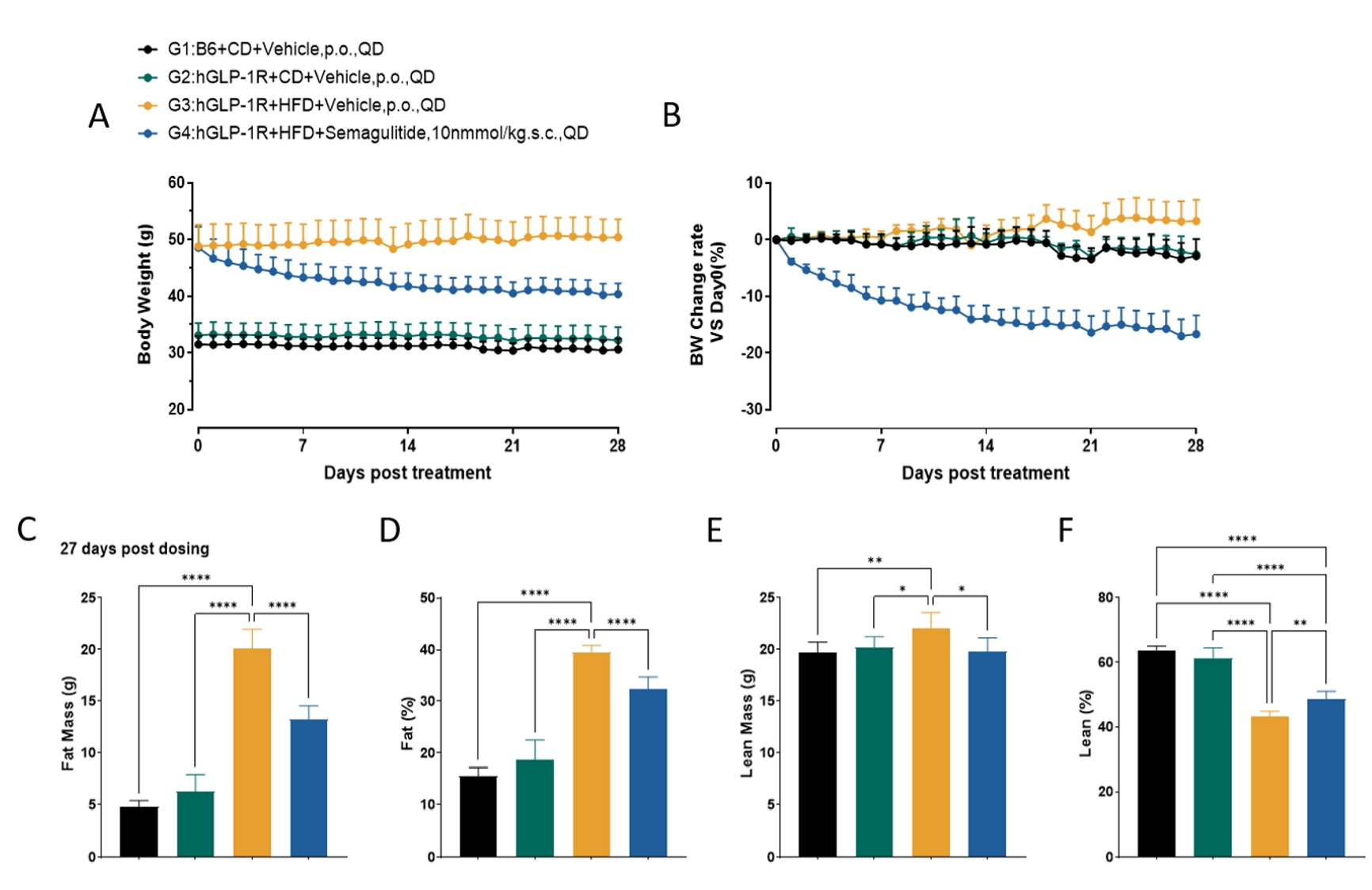
Figure 4. Efficacy of semaglutide in hGLP-1R mice fed a high-fat diet. Experimental groups were B6 + CD + vehicle (G1), hGLP-1R + CD + vehicle (G2), hGLP-1R + HFD + vehicle (G3), and hGLP-1R + HFD + semaglutide (10 nmol/kg, QD, s.c.; G4). (A) Body weight. (B) Body weight change rate versus day 0. (C) Fat mass. (D) Fat percentage. (E) Lean mass. (F) Lean percentage. Measurements were collected over the indicated treatment period. Data are presented as mean ± SEM (n = 6–8 per group). In hGLP-1R mice on HFD, semaglutide significantly reduced body weight, decreased fat mass and fat percentage.
Case 3: Efficacy evaluation of GLP-1–based therapies in the BKS-Lepr⁻/⁻;eNos⁻/⁻ Diabetic Kidney Disease Model
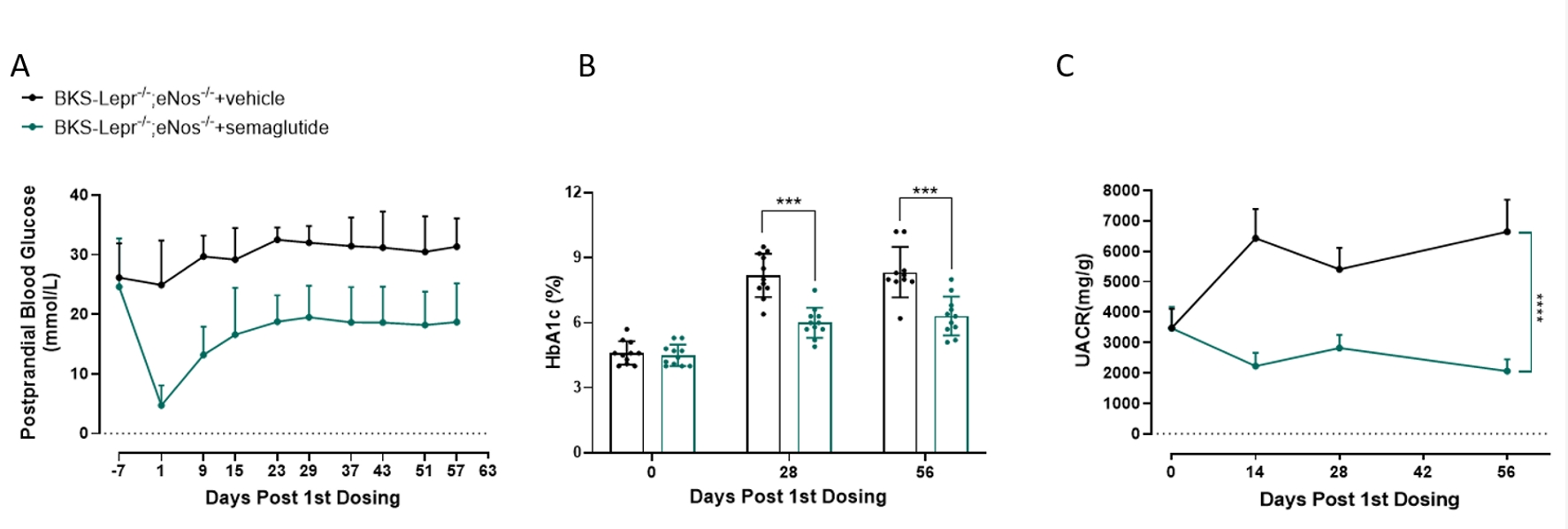
Figure 5. Efficacy of semaglutide in the BKS-Lepr-/-;eNos-/- diabetic kidney disease model. BKS-Lepr-/-;eNos-/- diabetic mice with endothelial dysfunction were treated with semaglutide or vehicle. (A) Postprandial blood glucose over time after the first dosing. (B) HbA1c at baseline and during treatment. (C) Urinary albumin-to-creatinine ratio (UACR) during treatment. Data are presented as mean ± SEM (n = 7–11 per group). In BKS-Lepr⁻/⁻;eNos⁻/⁻ diabetic mice with endothelial dysfunction, semaglutide rapidly lowered postprandial glucose, significantly reduced HbA1c compared with vehicle controls, and progressively reduced UACR, indicating sustained glycemic improvement and renal protection.
Case 4: Efficacy evaluation of GLP-1–Based Therapies in the HFD + CCl₄-Induced MASH Mouse Model
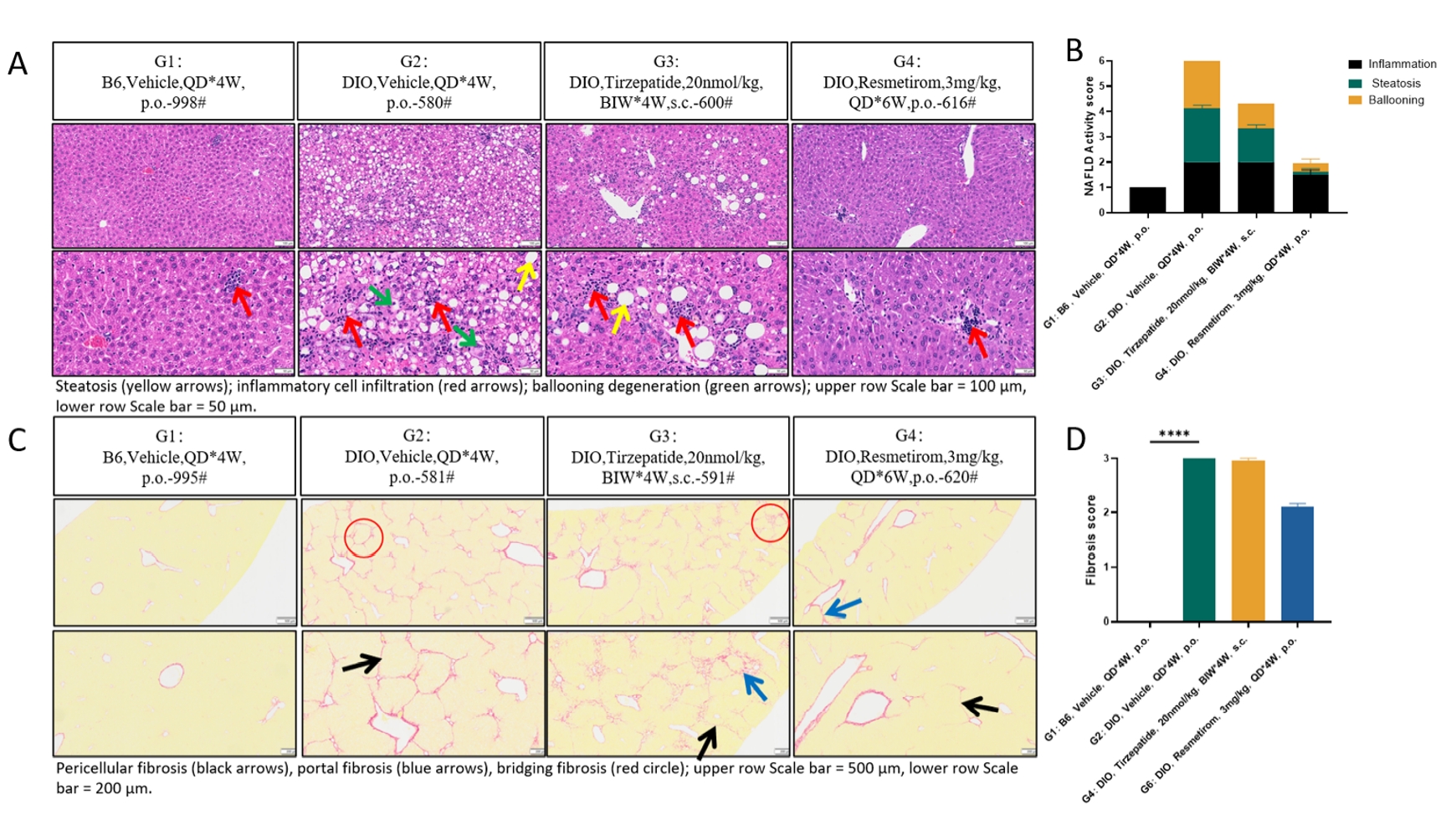
Figure 6. Histopathologic evaluation of tirzepatide and resmetirom in the HFD + CCl₄-induced MASH mouse model. Liver histopathology was evaluated in HFD + CCl₄-induced MASH mice. (A) Representative H&E-stained liver sections. Yellow arrows indicate steatosis, red arrows indicate inflammatory cell infiltration, and green arrows indicate ballooning degeneration; the upper-row scale bar = 100 μm and the lower-row scale bar = 50 μm. (B) Quantification of the NAFLD activity score components. (C) Representative fibrosis-stained liver sections. Black arrows indicate pericellular fibrosis, blue arrows indicate portal fibrosis, and red circles indicate bridging fibrosis; the upper-row scale bar = 500 μm and the lower-row scale bar = 200 μm. (D) Quantification of fibrosis score. Data are presented as mean ± SEM (n = 7–8 per group). In the HFD + CCl₄-induced MASH mouse model, both tirzepatide and resmetirom significantly reduced NAS score (steatosis, inflammation, ballooning) compared to vehicle controls, with resmetirom showing greater histological improvement than tirzepatide.
Ready to advance your GLP-1 pipeline beyond weight loss?
GemPharmatech’s integrated metabolic platform is purpose-built for the next generation of GLP-1-based therapies. Our validated models—including DIO, hGLP-1R humanized, DKD, and HFD+CCl₄ MASH—deliver the multi-organ readouts you need to differentiate your candidates, from body composition and fibrosis to renal function and metabolic endpoints.
Whether you are exploring novel mechanisms, combination strategies, or lean-mass preservation, our scientific team is here to help you design the right preclinical strategy. Let's discuss how we can support your program!
References
1. Drucker DJ. GLP-1-based therapies for diabetes, obesity and beyond. Nature Reviews Drug Discovery. 2025;24:631-650. doi:10.1038/s41573-025-01183-8.
2. Drucker DJ. The expanding landscape of GLP-1 medicines. Nature Medicine. 2026;32:47-57. doi:10.1038/s41591-025-04124-5.

Share


Recommended for You
More infomation about blogs


Find Models



'%3e%3cpath%20d='M13.6882%2012L23.6426%202.06059C23.8678%201.83321%2023.9941%201.52611%2023.9941%201.20607C23.9941%200.886035%2023.8678%200.578937%2023.6426%200.351553C23.4152%200.126341%2023.1081%200%2022.7881%200C22.468%200%2022.1609%200.126341%2021.9335%200.351553L11.9941%2010.306L2.05473%200.351553C1.82735%200.126341%201.52025%200%201.20021%200C0.880175%200%200.573077%200.126341%200.345693%200.351553C0.120482%200.578937%20-0.00585938%200.886035%20-0.00585938%201.20607C-0.00585937%201.52611%200.120482%201.83321%200.345693%202.06059L10.3001%2012L0.345693%2021.9394C0.120482%2022.1668%20-0.00585937%2022.4739%20-0.00585938%2022.7939C-0.00585938%2023.114%200.120482%2023.4211%200.345693%2023.6484C0.573077%2023.8737%200.880175%2024%201.20021%2024C1.52025%2024%201.82735%2023.8737%202.05473%2023.6484L11.9941%2013.694L21.9335%2023.6484C22.1666%2023.8397%2022.4624%2023.9374%2022.7635%2023.9226C23.0646%2023.9079%2023.3494%2023.7816%2023.5626%2023.5684C23.7757%2023.3553%2023.902%2023.0704%2023.9168%2022.7694C23.9316%2022.4683%2023.8338%2022.1724%2023.6426%2021.9394L13.6882%2012Z'%20fill='black'%20fill-opacity='0.96'/%3e%3c/g%3e%3cdefs%3e%3cclipPath%20id='clip0_2458_12695'%3e%3crect%20width='24'%20height='24'%20fill='white'/%3e%3c/clipPath%3e%3c/defs%3e%3c/svg%3e)
Submit Inquiry
Contact Us
Schedule a Meeting
Let us know which event you're attending and we'd be happy to connect with you.
Download
Download
Watch On-Demand Webinar
Newsletter Signup
'%3e%3cpath%20d='M13.6882%2012L23.6426%202.06059C23.8678%201.83321%2023.9941%201.52611%2023.9941%201.20607C23.9941%200.886035%2023.8678%200.578937%2023.6426%200.351553C23.4152%200.126341%2023.1081%200%2022.7881%200C22.468%200%2022.1609%200.126341%2021.9335%200.351553L11.9941%2010.306L2.05473%200.351553C1.82735%200.126341%201.52025%200%201.20021%200C0.880175%200%200.573077%200.126341%200.345693%200.351553C0.120482%200.578937%20-0.00585938%200.886035%20-0.00585938%201.20607C-0.00585937%201.52611%200.120482%201.83321%200.345693%202.06059L10.3001%2012L0.345693%2021.9394C0.120482%2022.1668%20-0.00585937%2022.4739%20-0.00585938%2022.7939C-0.00585938%2023.114%200.120482%2023.4211%200.345693%2023.6484C0.573077%2023.8737%200.880175%2024%201.20021%2024C1.52025%2024%201.82735%2023.8737%202.05473%2023.6484L11.9941%2013.694L21.9335%2023.6484C22.1666%2023.8397%2022.4624%2023.9374%2022.7635%2023.9226C23.0646%2023.9079%2023.3494%2023.7816%2023.5626%2023.5684C23.7757%2023.3553%2023.902%2023.0704%2023.9168%2022.7694C23.9316%2022.4683%2023.8338%2022.1724%2023.6426%2021.9394L13.6882%2012Z'%20fill='%23008077'%20fill-opacity='0.96'/%3e%3c/g%3e%3cdefs%3e%3cclipPath%20id='clip0_2458_12695'%3e%3crect%20width='24'%20height='24'%20fill='white'/%3e%3c/clipPath%3e%3c/defs%3e%3c/svg%3e)
We value your privacy
This website will store cookies on your computer. These cookies are used to collect information about how you interact with this website and enable us to remember you. We use this information to improve and customize your browsing experience, as well as to analyze and collect relevant data and metrics about visitors on this website and other platforms. For more information about the cookies we use, please refer to our privacy policy
If you decline, your information will not be tracked when visiting this website. A cookie will be used in your browser to remember your preference settings that you have not accepted.

