
Cardio-Kidney Syndrome Models for Translational Comorbidity Research


Hypertension remains a major contributor to global cardiovascular morbidity and mortality. At GemPharmatech, we have developed physiologically relevant and translational animal models to support advanced hypertension and Cardio-Kidney Syndrome (CKS) research. Building on our hypertension platform, we have expanded into cardio-kidney comorbidity research, developing innovative models that bridge cardiovascular and renal pathophysiology. This article highlights our latest models and preclinical capabilities in CKS.
CKS Model 1: Rosa26-hAGT + AAV-hRenin + STZ + UNx
We established a comprehensive Cardio-Kidney Syndrome model by combining the B6-Rosa26-hAGT humanized mouse strain with AAV-mediated hRenin overexpression, streptozotocin (STZ) induction, and unilateral nephrectomy (UNx). This multi-hit approach recapitulates the complex interplay between hypertension, diabetes, and renal injury.
Key Phenotypic Findings
The AAV-hRenin+STZ-treated mice exhibited significant weight loss compared to controls, accompanied by a markedly lower survival rate over the post-treatment period.
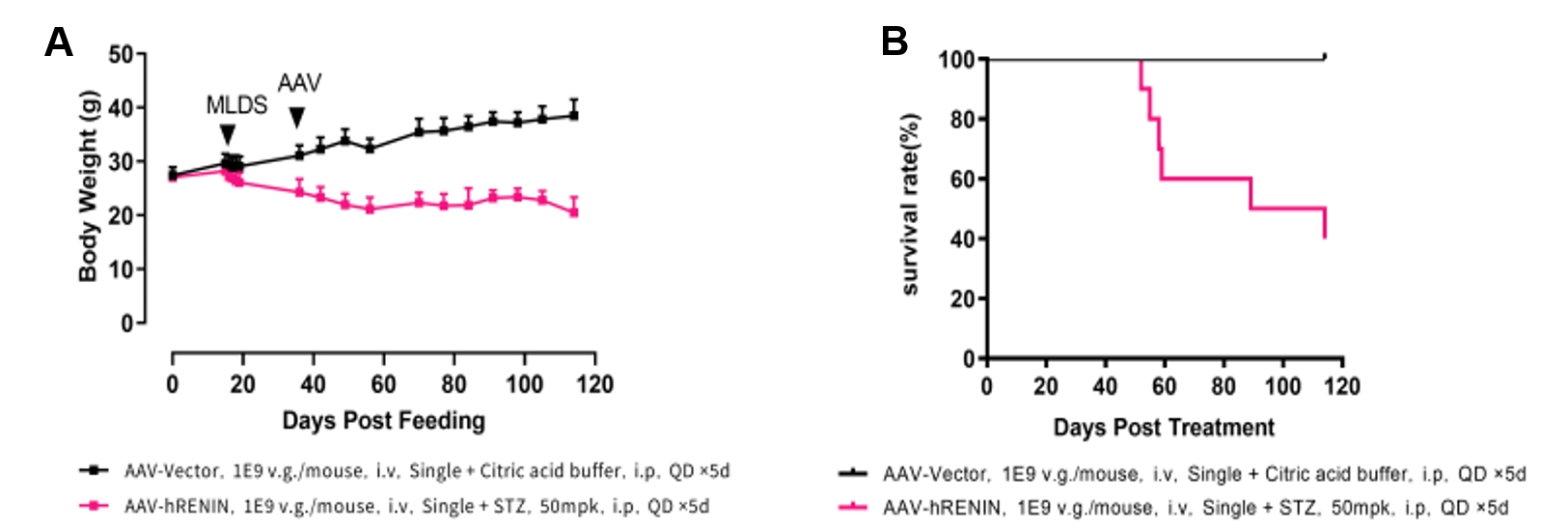
Figure 1. AAV-hRenin+STZ exacerbates body weight loss and reduces survival rate in a humanized AGT mouse model. (A) Body weight changes over time in mice receiving AAV-Vector or AAV-hRenin, followed by STZ or Citric acid buffer treatment. (B) Survival curves for the two groups. Data are Mean±SD.
Comprehensive model indicator analysis demonstrated elevated blood glucose, increased blood pressure, and elevated urinary albumin-to-creatinine ratio (UACR) in the CKS model, confirming successful disease induction across multiple physiological axes.
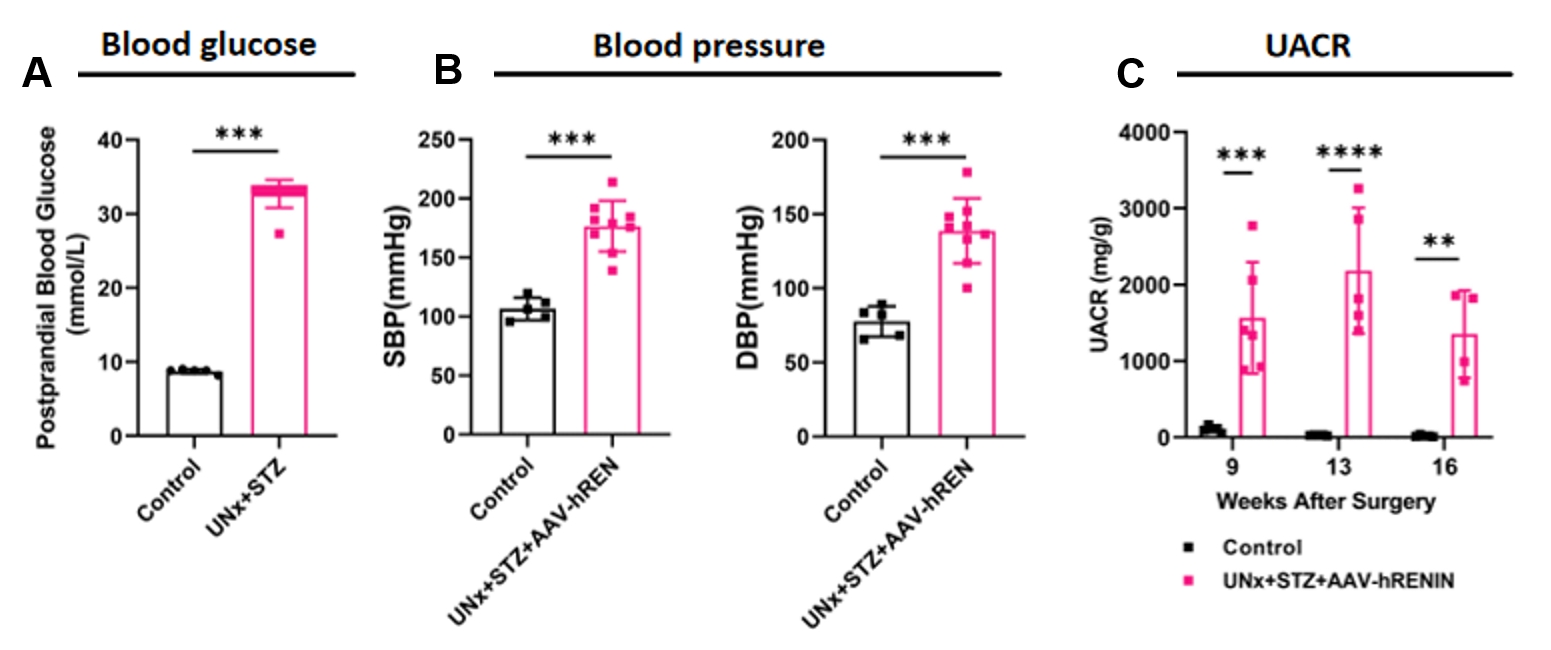
Figure 2. UNx+STZ+AAV-hRenin treated mice exhibited hyperglycemia, hypertension, and renal dysfunction. (A) Postprandial blood glucose levels. (B) Systolic blood pressure (SBP), and diastolic blood pressure (DBP). (C) Urinary albumin-to-creatinine ratio (UACR) measured at weeks 9, 13, and 16 post-surgery. Data are Mean±SD. Statistical analysis was performed using Student's t-test. (****p < 0.0001,***p < 0.001,**p < 0.01).
Cardiac Remodeling & Renal Injury
The CKS model exhibits pronounced cardiac remodeling and renal fibrosis, as evidenced by significant increases in absolute heart weight, kidney weight, and their respective ratios to body weight compared to the control group. Histopathological analysis reveals advanced renal injury characterized by inflammation, glomerulosclerosis, and tubular protein deposition.
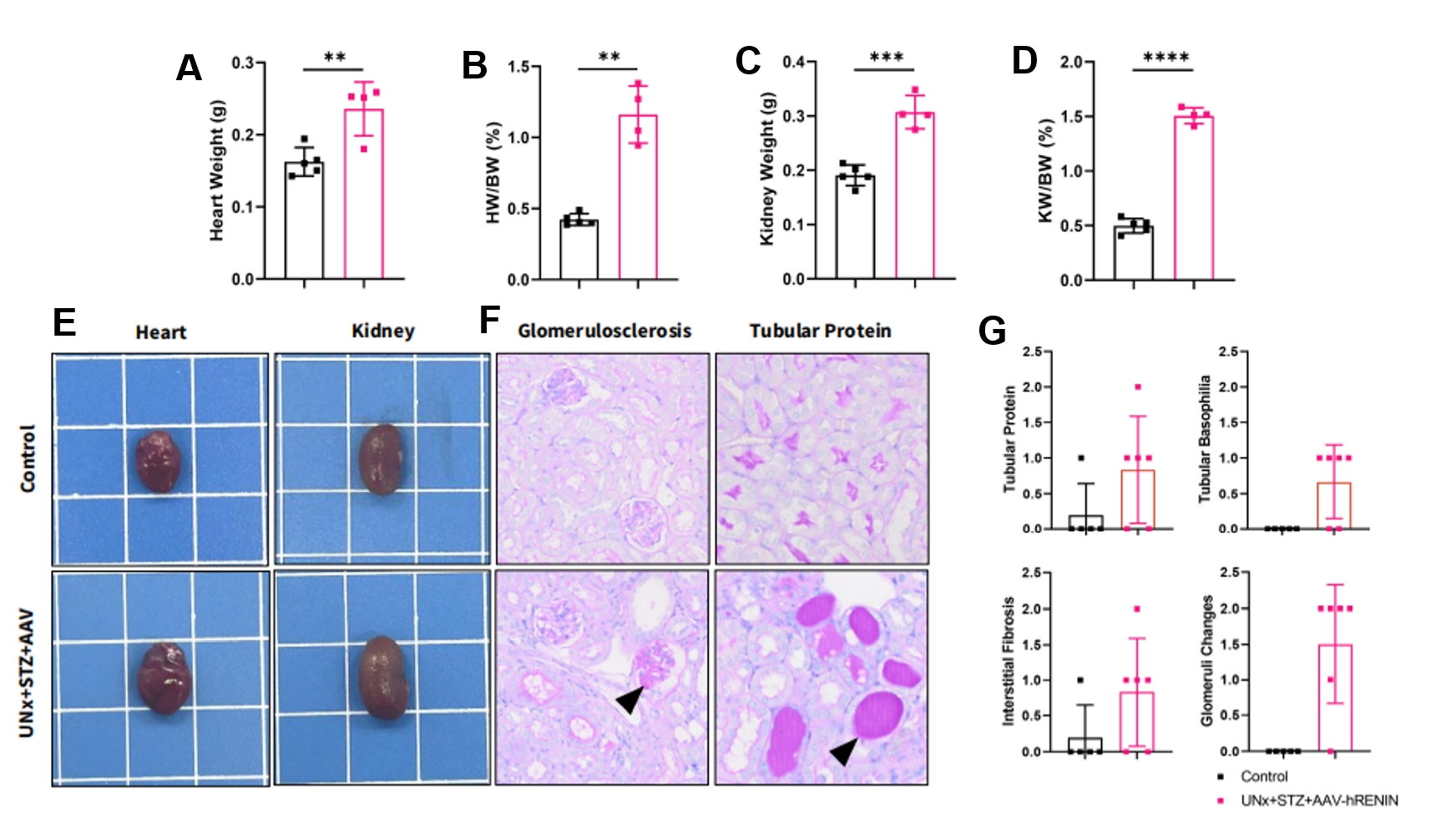
Figure 3. UNx+STZ+AAV-hRenin treated mice exhibited cardiac hypertrophy and renal pathology. Quantitative analysis of organ weight indices. Bar graphs showing (A) heart weight, (B) heart weight to body weight ratio (HW/BW), (C) kidney weight, and (D) kidney weight to body weight ratio (KW/BW). (E) Representative gross morphology images of heart and kidney from mice. (F) Histopathological analysis of kidney tissue. H&E stained sections showing glomerulosclerosis and tubular protein casts. (G) Semiquantitative scoring of renal injury. Bar graphs showing tubular protein casts score, tubular basophilia score, interstitial fibrosis score, and glomerular changes score. Data are Mean±SD. Statistical analysis was performed using Student's t-test. (****p < 0.0001,***p < 0.001,**p < 0.01).
CKS Model 2: BKS-db + AAV-mRenin
To model the intersection of cardiometabolic and renal disease, we developed a Cardio-Kidney-Metabolic syndrome model using BKS-Lepr-/- (db/db) mice combined with AAV-mRenin administration. This model captures the progressive nature of diabetic nephropathy driven by the renin-angiotensin system in a metabolically compromised host.
Metabolic and Renal Dysfunction
The CKM syndrome model induced by AAV-mRenin in BKS-Lepr-/- mice resulted in severe metabolic dysfunction, characterized by rapid body weight gain and persistent elevation in postprandial blood glucose levels compared to controls. This pathological progression was accompanied by a time-dependent deterioration in renal function, as evidenced by a significant rise in the UACR, which correlated with increased mortality.
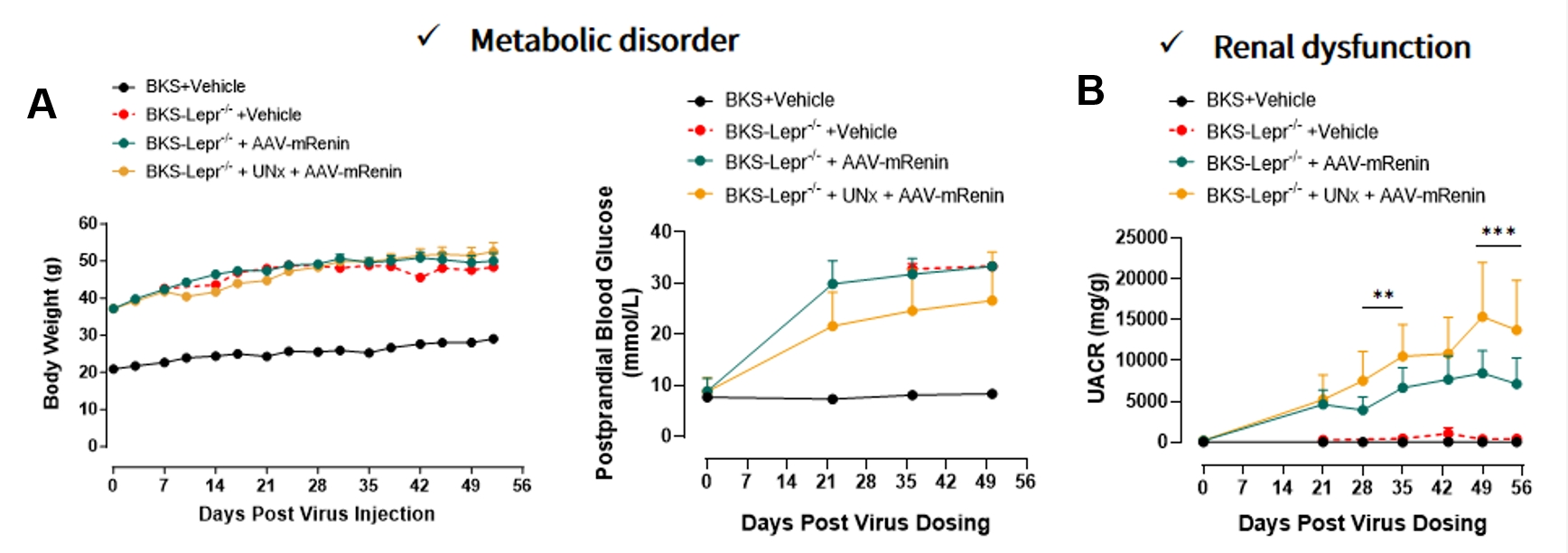
Figure 4. Renin overexpression exacerbates metabolic disorder and accelerates renal dysfunction in BKS-Lepr-/- mice. (A) Time-course analyses of body weight and postprandial blood glucose in BKS-Lepr-/- mice transduced with AAV-vector, AAV-mRenin, and UNx combined with AAV-mRenin. (B) Urinary albumin-to-creatinine ratio (UACR) measured over time. Data are Mean±SD. Statistical significance was determined by two-way ANOVA with Tukey's multiple comparisons test for time-course data. (***p < 0.001,**p < 0.01).
Cardiac and Renal Pathology
Eight weeks post AAV-mRenin injection, BKS-Lepr-/- mice developed significant cardiac fibrosis. Histological evaluation revealed interstitial, perivascular, and replacement fibrosis patterns, indicative of progressive cardiac remodeling.
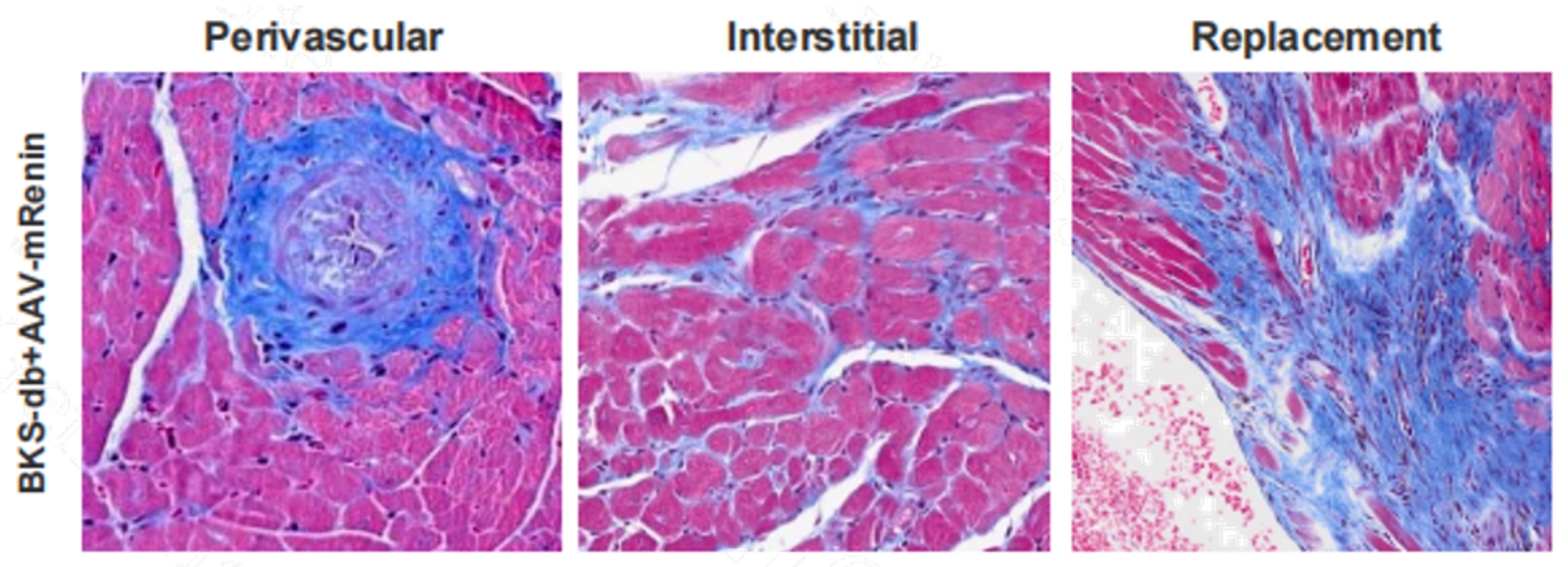
Figure 5. Renin overexpression induces extensive fibrotic remodeling in the myocardium of BKS-db mice. Representative Masson's trichrome staining of cardiac tissue sections from BKS-db mice transduced with AAV-mRenin. Collagen deposition is stained blue, while cardiomyocytes are stained red.
Renal injury was also advanced, with prominent tubular protein deposition, glomerulosclerosis, and inflammatory infiltration. Quantification of pathological scores at 5 weeks and 8 weeks post AAV-mRenin injection confirmed progressive renal damage in the CKM model.
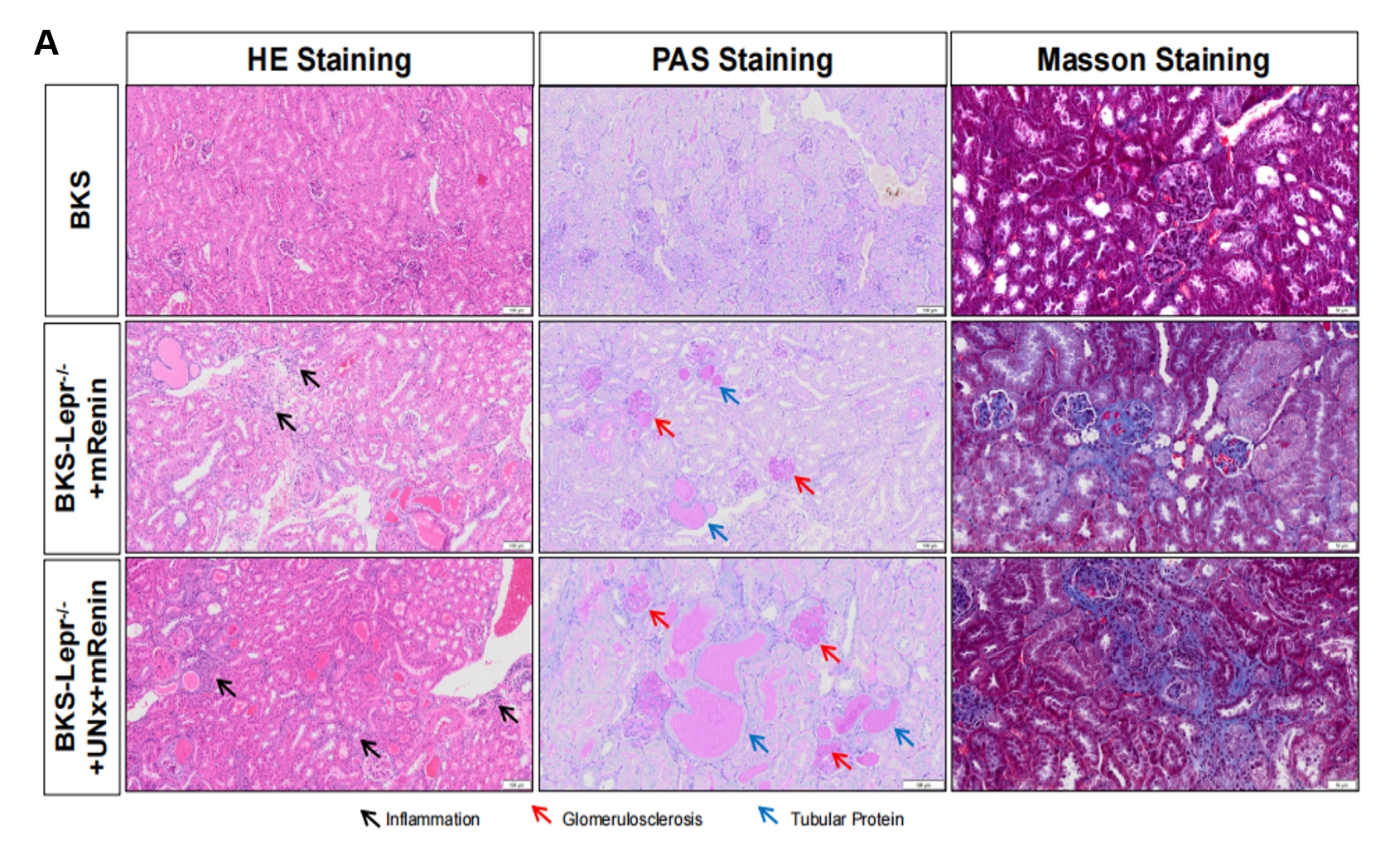
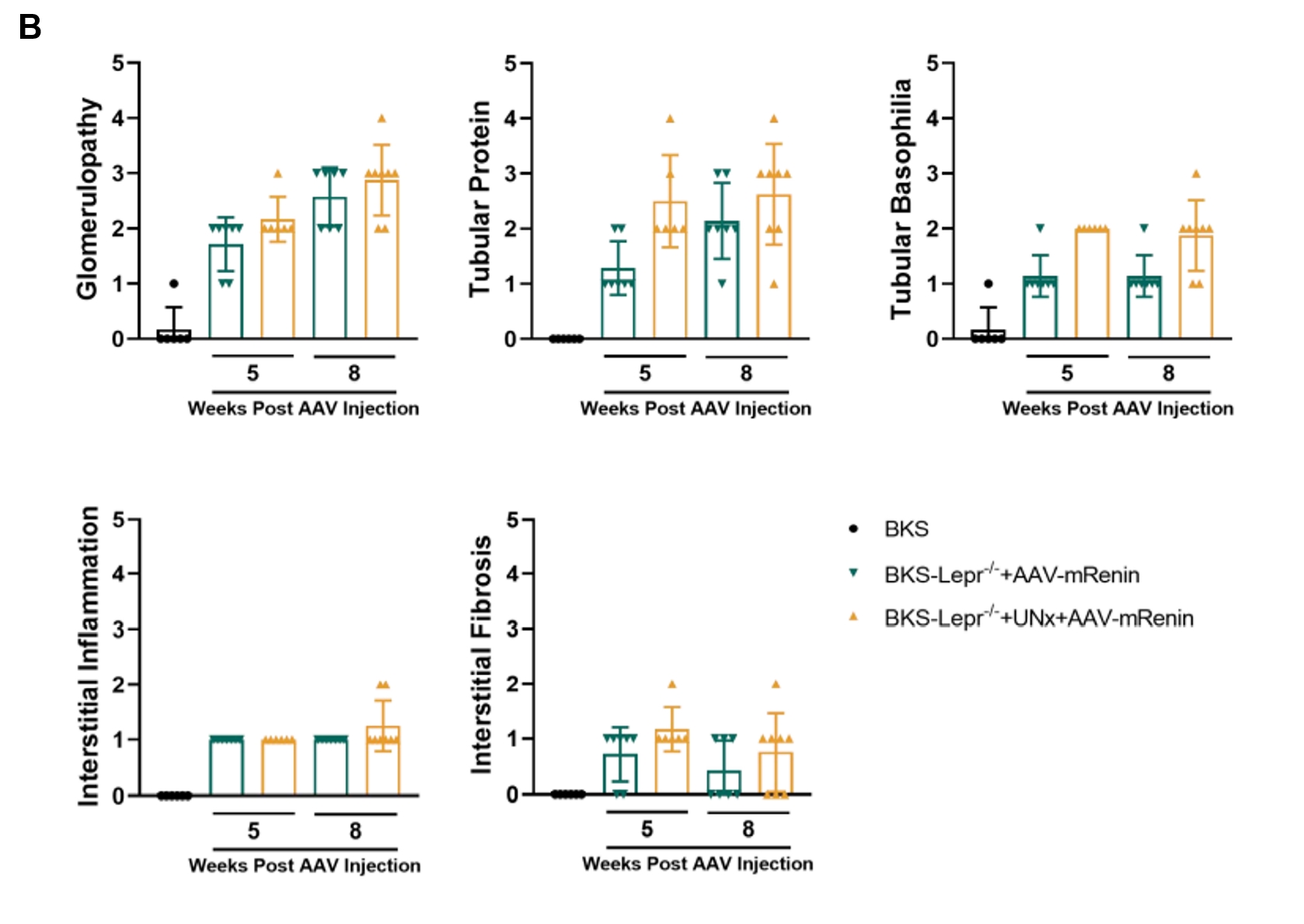
Figure 6. Representative photomicrographs of kidney tissue sections from BKS-Lepr-/- mice receiving either vehicle or AAV-mRenin transduction. (A) Sections were subjected to Hematoxylin and Eosin staining,Periodic Acid-Schiff staining, and Masson's trichrome staining. Arrows indicate histological features: black arrows denote inflammatory cell infiltration, red arrows indicate glomerulosclerosis, and blue arrows highlight tubular protein casts. (B) Quantitative assessment of renal histopathology. Bar graphs show semi-quantitative scores for glomerulosclerosis, tubular protein casts, tubular basophilia, interstitial inflammation, and interstitial fibrosis at 5 and 8 weeks post-AAV injection. Data are mean ± SD.
Drug Efficacy Evaluation
The CKM model provides a robust platform for preclinical drug screening. We evaluated three classes of therapeutics: Retatrutide (a dual GLP-1/GIP receptor agonist), Lisinopril (an ACE inhibitor), and Empagliflozin (an SGLT2 inhibitor).
Renal Function Parameters
Treatment with these agents led to distinct improvements in renal parameters, as evidenced by reductions in UACR, alongside attenuation of renal pathology including tubular protein deposition, glomerulosclerosis, and inflammation, confirming their protective roles in mitigating progressive renal damage.
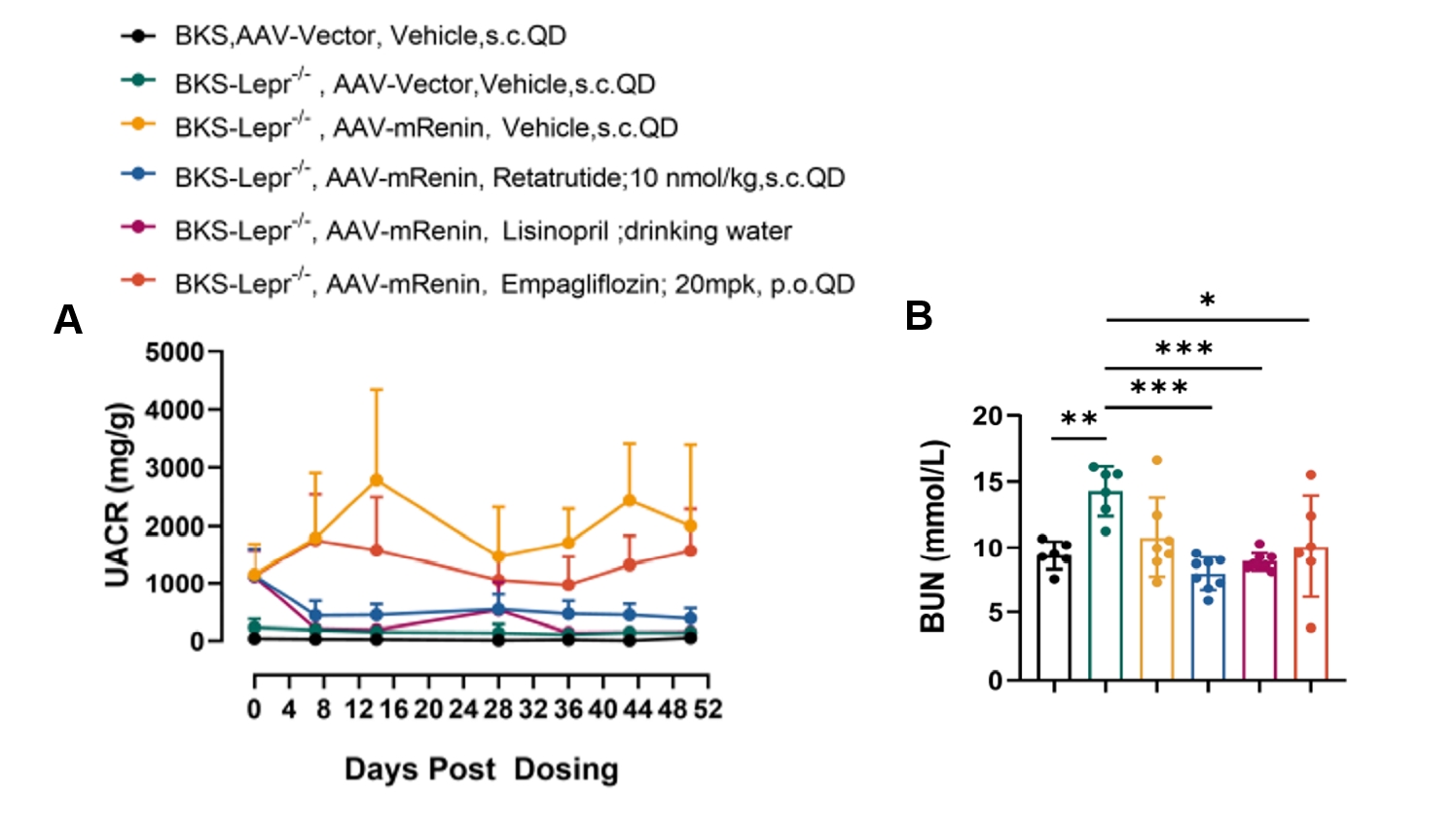
Figure 7. Pharmacological interventions ameliorate AAV-mRenin-induced renal dysfunction in BKS-Lepr-/- mice. (A) Time-course analysis of urine albumin-to-creatinine ratio (UACR) in BKS-Lepr-/- mice transduced with AAV-mRenin, with or without co-treatment with Retatrutide, Lisinopril, or Empagliflozin. (B) Bar graph showing serum blood urea nitrogen (BUN) levels at the end of the study. Data are Mean ± SD. Statistical significance was determined by One-way ANOVA with Tukey's multiple comparisons test. (***p < 0.001,**p < 0.01,*p < 0.05).
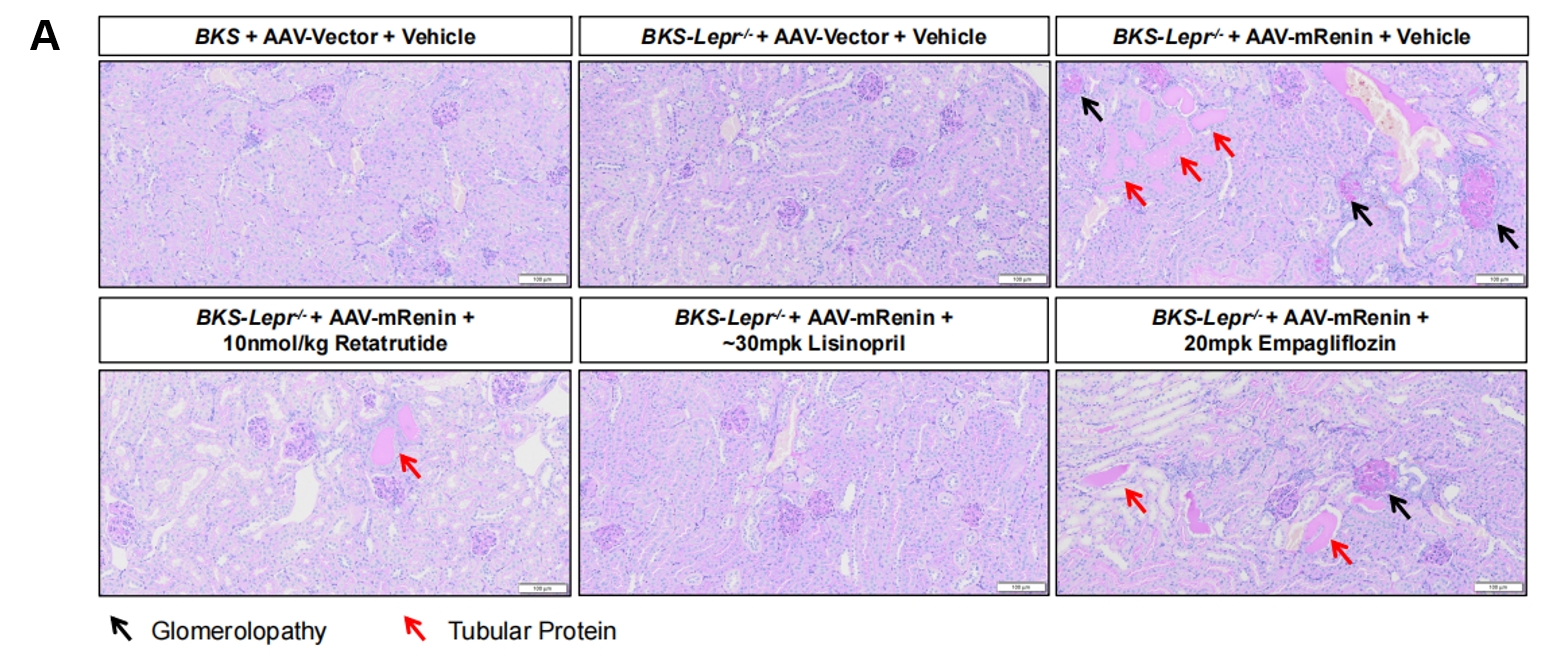
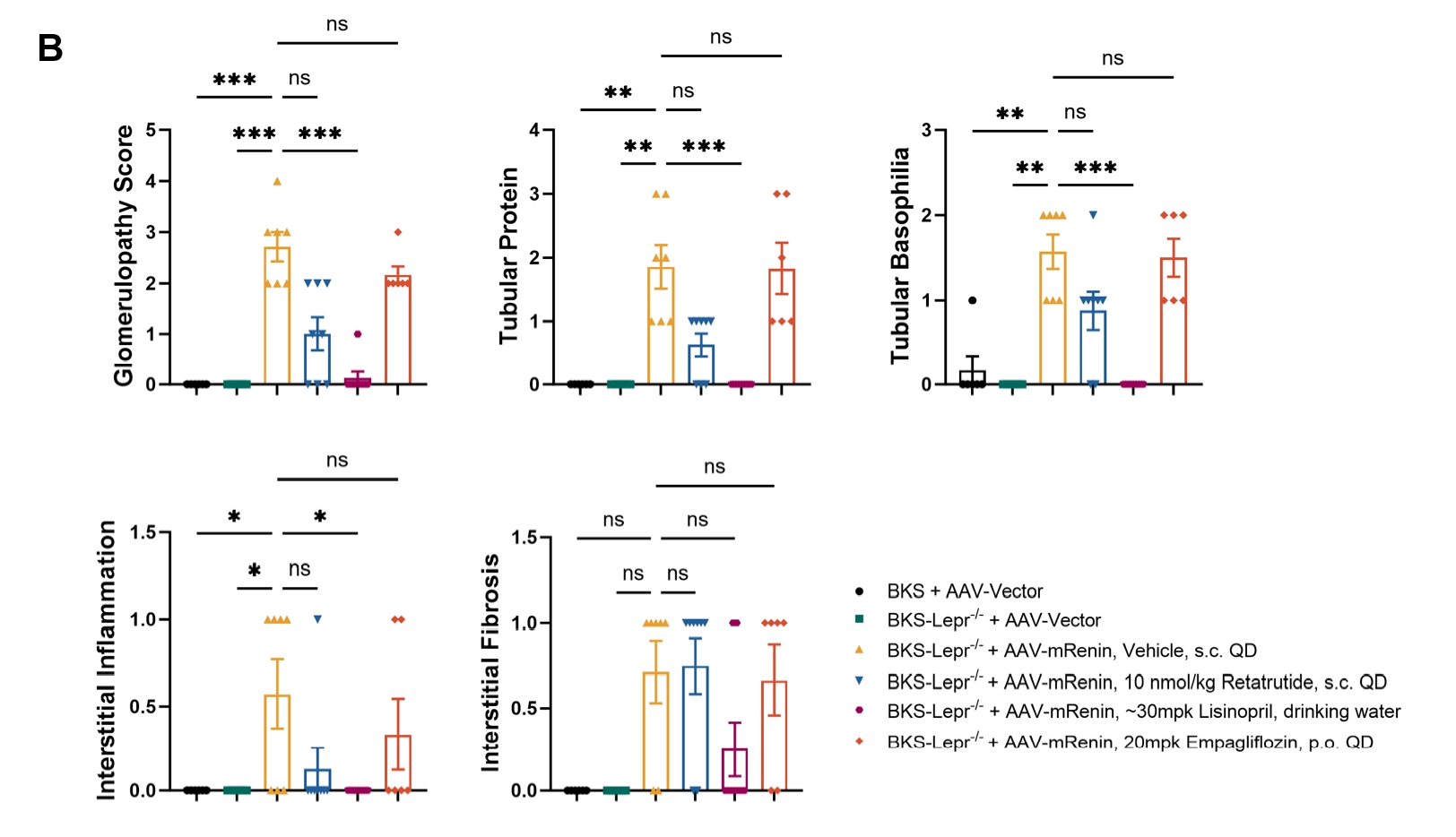
Figure 8. Comparative effects of GLP-1R agonist, ACE inhibitor, and SGLT2 inhibitor on renal pathology in AAV-mRenin-transduced BKS-Lepr-/- mice. (A) Representative Periodic Acid-Schiff (PAS) staining of kidney tissue sections from different treatment groups. Black arrows indicate glomerulopathy, and red arrows indicate tubular protein casts. (B) Quantitative assessment of renal histopathological scores for glomerulopathy, tubular protein, tubular basophilia, interstitial inflammation, and interstitial fibrosis. Data are presented as Mean±SEM. Statistical analysis was performed using the Kruskal-Wallis test with Dunn’s post-hoc test for multiple comparisons(***p < 0.001,**p < 0.01,*p < 0.05, ns, not significant).
Cardic Function Parameters
Concurrently, the model showed adverse structural remodeling characterized by concentric hypertrophy (increased IVS;d, LVPW;d and decreased LVEDV, LVESV). Treatment with standard-of-care drugs (Retatrutide, Lisinopril, and Empagliflozin) demonstrated varying degrees of cardioprotection by partially normalizing these functional and structural parameters.
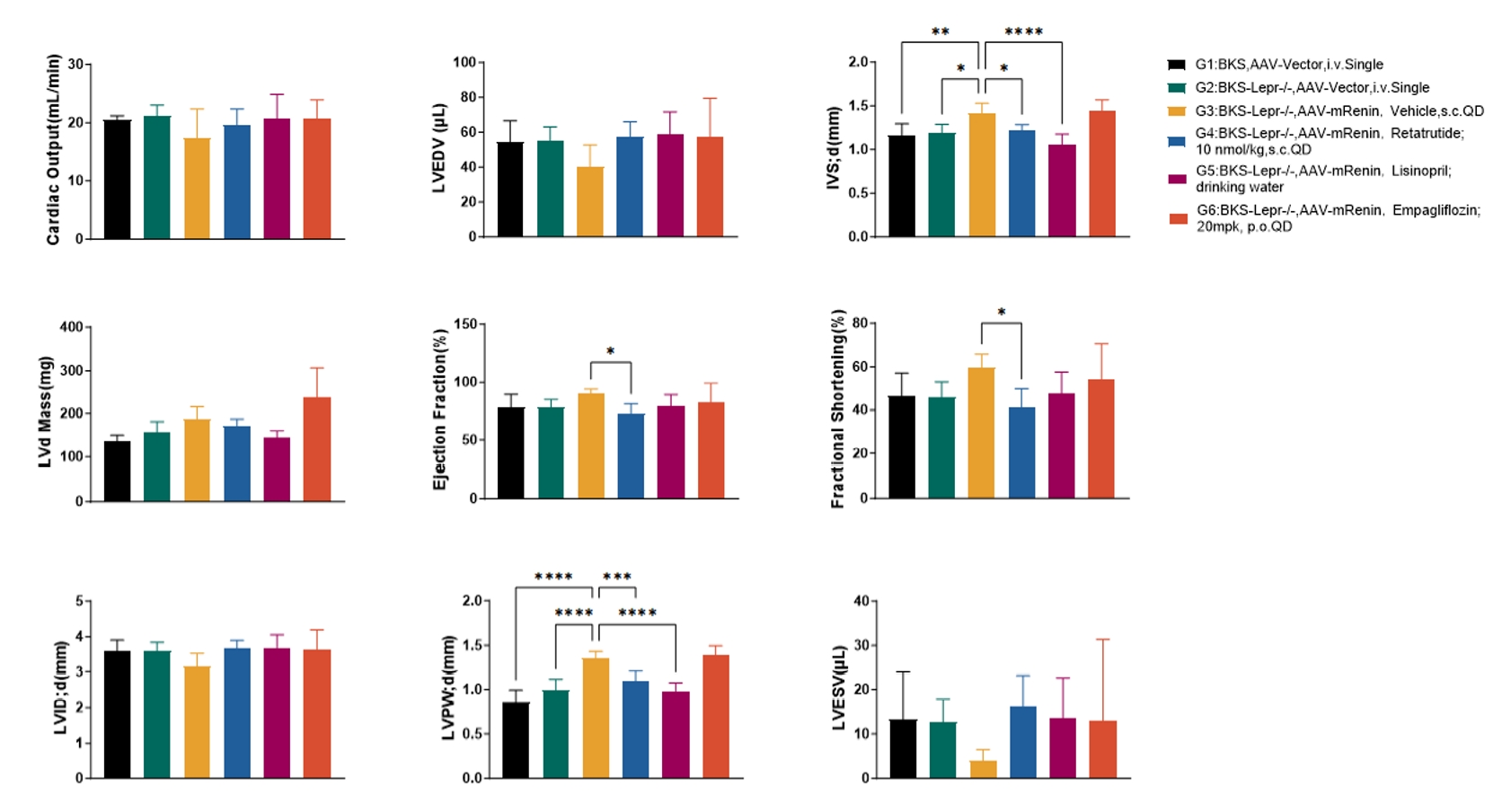
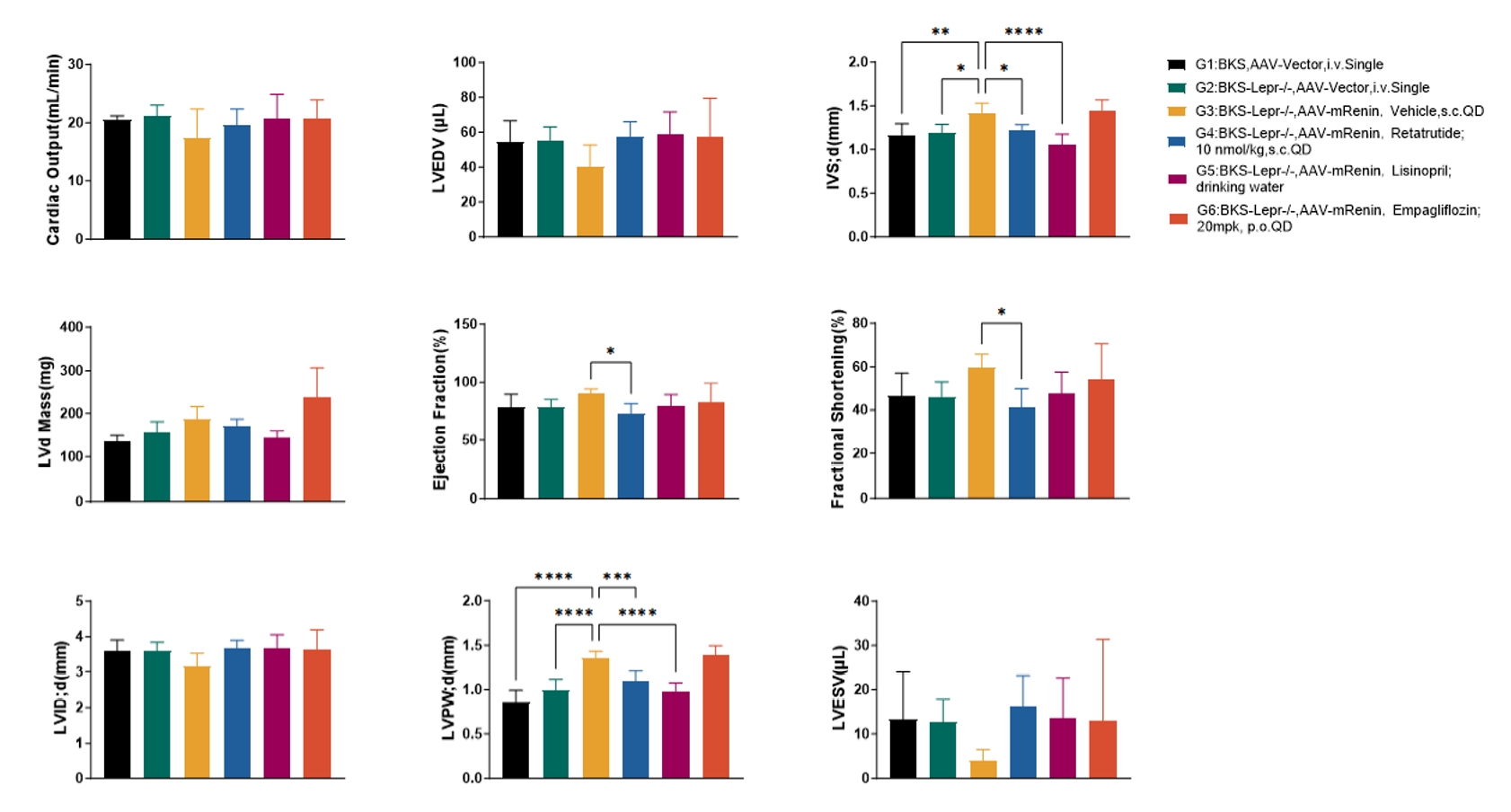
Figure 9. AAV-mRenin overexpression induces adverse cardiac remodeling and dysfunction in BKS-Lepr-/- mice, attenuated by multi-drug therapy. Comprehensive echocardiographic analysis of cardiac structure and function in BKS-Lepr-/- mice transduced with AAV-mRenin, with or without pharmacological intervention. Bar graphs show quantitative measurements for: (Top row) Cardiac Output (CO), Left Ventricular End-Diastolic Volume (LVEDV), and Left Ventricular Stroke Volume (SV); (Middle row) Left Ventricular Mass (LVd Mass), Ejection Fraction (EF), and Fractional Shortening (FS); (Bottom row) Left Ventricular Internal Diameter (LVID), Left Ventricular Posterior Wall thickness (LVPW), and Left Ventricular End-Systolic Volume (LVESV). Data are presented as Mean ± SD. Statistical significance was determined by one-way ANOVA with Tukey’s multiple comparisons test (*p < 0.05, **p < 0.01,***p < 0.001,****p < 0.0001).
GemPharmatech’s Featured Hypertension Mouse Models
A humanized knock-in model with full replacement of the human AGT genomic sequence (CDS, 5' UTR, 3' UTR), ensuring high physiological relevance and improved translational predictability.
A dual humanized model targeting both AGT and REN genes, enabling comprehensive RAAS pathway activation for hypertension and cardio-renal research.
GemPharmatech’s cardiovascular disease pipeline supports the acceleration of innovative cardiovascular therapies, from discovery through preclinical development.
Contact us to discuss your project or schedule a consultation.