
Advancing Antifungal Drug Development with Preclinical Fungal Infection Platform


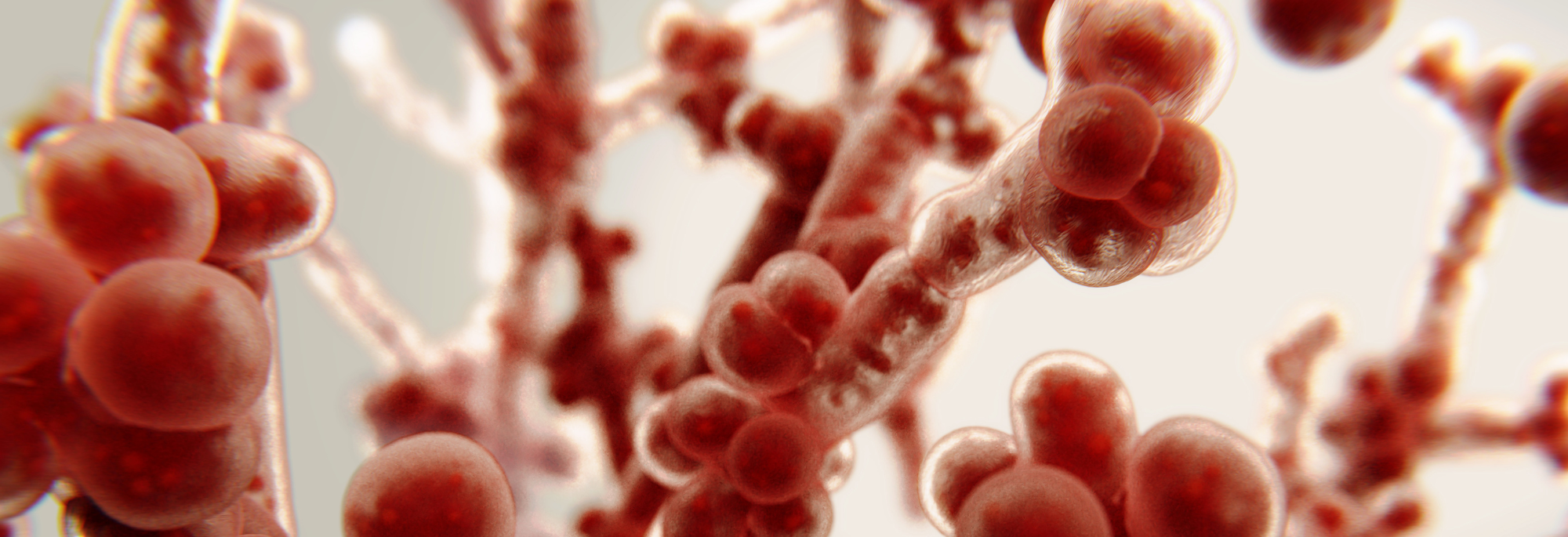
Fungal infections pose a serious and growing threat to global health, ranging from superficial conditions to life-threatening invasive diseases. Clinically significant species — including Candida albicans, Candida auris, Aspergillus fumigatus, and Rhizopus arrhizus — are becoming increasingly difficult to treat as antifungal resistance spreads.
Driven by widespread antifungal use and rapid fungal adaptation, multidrug-resistant strains such as Candida auris have emerged worldwide, dramatically narrowing treatment options. This resistance crisis highlights an urgent need for robust, well-characterized preclinical models to support next-generation antifungal drug development.
GemPharmatech’s Antifungal Infection Platform
GemPharmatech's BSL-2 biosafety laboratory maintains a comprehensive library of clinically relevant fungal strains, including Candida albicans, Candida auris, Aspergillus fumigatus, and Aspergillus flavus. Our team has established validated systems for fungal culture, murine infection modeling, and multi-endpoint readout detection.
Our established models — spanning fungal sepsis, invasive pulmonary aspergillosis, and cutaneous fungal infection — have been successfully deployed to support efficacy evaluation of multiple antifungal compounds, delivering robust and reliable data.
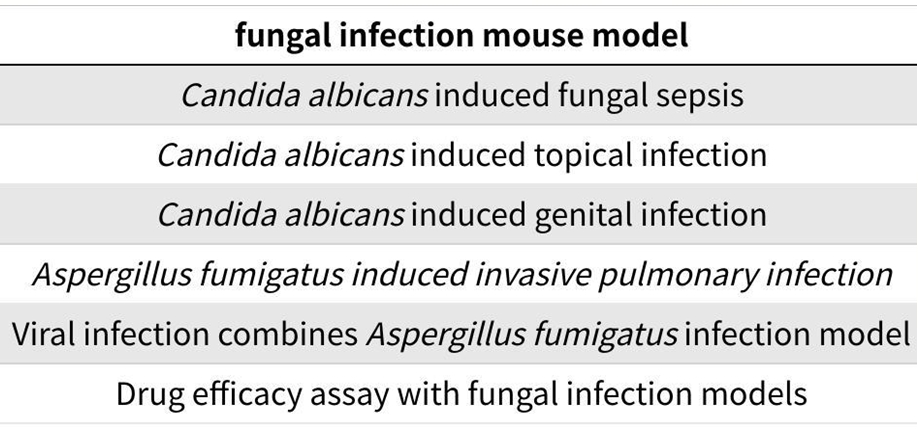
Preclinical Model Case Studies: Fungal Infections
Case 1 Fungal Sepsis with candida albicans
In case 1, identified Candida albicans was injected into mice via the tail vein; seven days post-infection, we observed changes in mouse body weight, survival rate, fungal colonization, and pathological changes in the lungs, liver and kidneys.
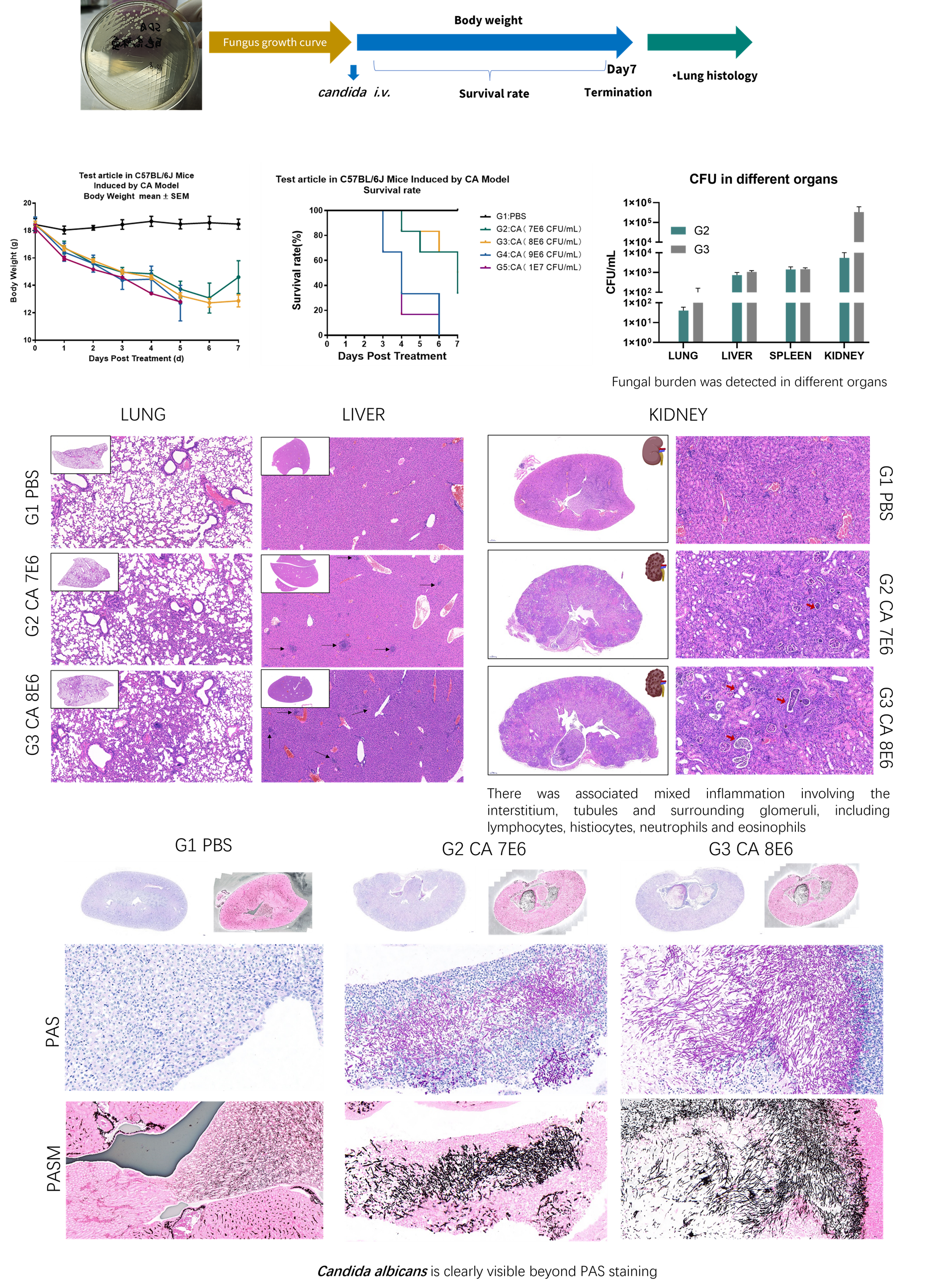
Figure 1. Establishment and characterization of a murine model of systemic Candida albicans infection
(A) Schematic diagram illustrating the strategy and timeline for model establishment. (B) Body weight changes and (C) survival rates of mice at 7 days post-infection. (D) Fungal burden of Candida albicans in the lung, liver, spleen, and kidney at 7 days post-infection. (E) Hematoxylin and eosin (HE) staining of lung, liver, and kidney tissues at 7 days post-infection. (F) Periodic acid-Schiff (PAS) and periodic acid-silver methenamine (PASM) staining of kidney sections for fungal detection. Data are presented as Mean±SEM, n=5.
Our results showed that, without immunosuppressant treatment, Candida albicans invades multiple organs in mice. Severe pathological injury and prominent fungal colonization were especially observed in the kidney (PAS and PASM staining).
Case 2 Invasive Pulmonary Aspergillus
In Case 2, after immunosuppressed mice were infected with Aspergillus fumigatus via intratracheal instillation, the animals showed significant body weight loss and high mortality. In some mice, ascending infection further led to meningitis symptoms.
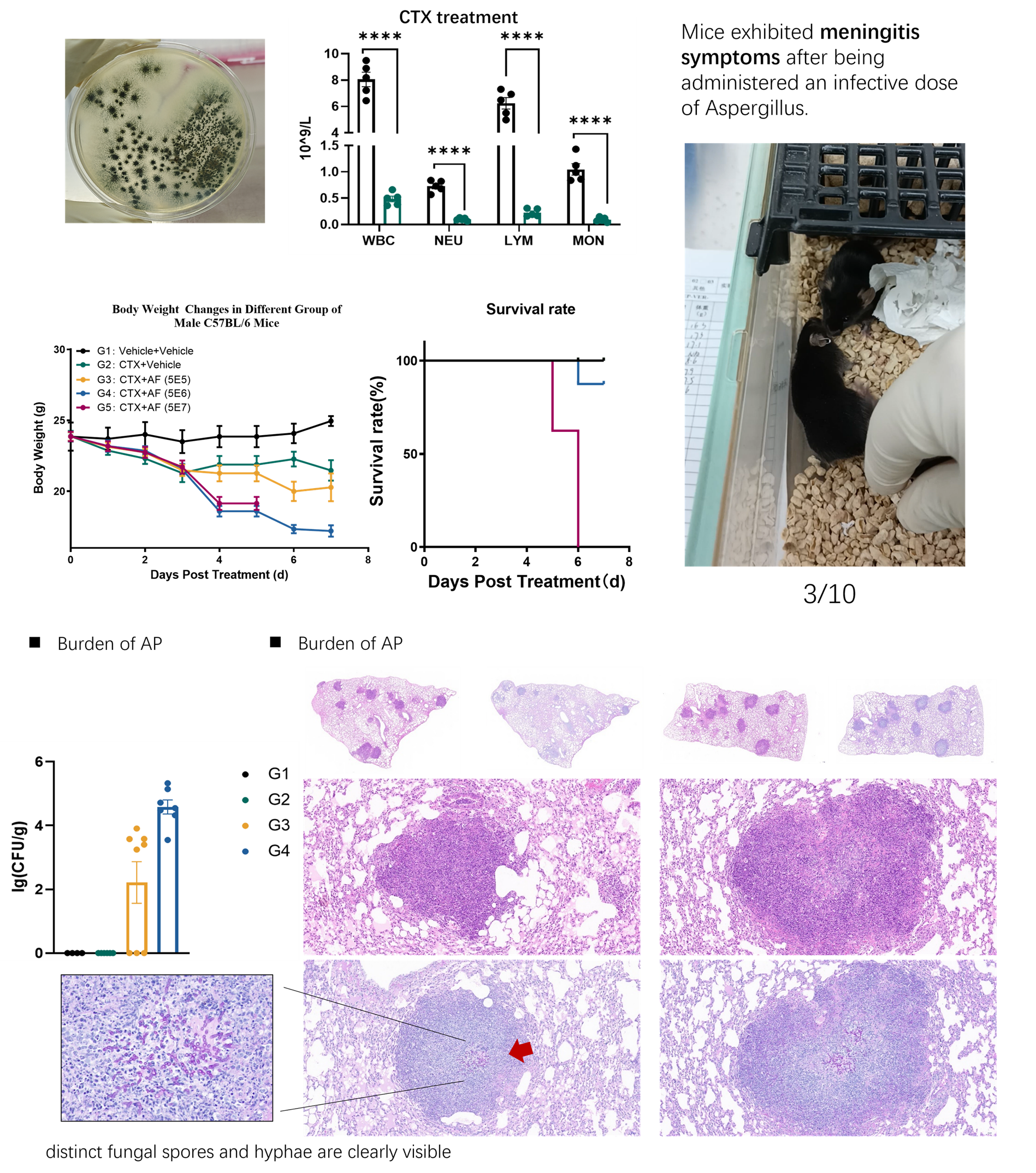
Figure 2. Establishment of a murine model of invasive pulmonary Aspergillus fumigatus infection
(A) Culture of Aspergillus fumigatus. (B) Detection of immune cells in mouse peripheral blood after cyclophosphamide (CTX) treatment. (C) Body weight changes and (D) mortality of CTX-treated mice at 7 days post-infection with A. fumigatus. (E) Neurological symptoms observed in infected mice. (F) Fungal burden in lung tissues from different groups. (G) Hematoxylin and eosin (HE) staining of mouse lung sections. Data are presented as Mean±SEM, n=7.
Notably, obvious fungal pulmonary nodules and fungal hyphal colonization can be observed in the lungs of infected mice. This model provides a solid and reliable foundation for offering targeted services in pulmonary aspergillosis research.
Beyond fungal disease, GemPharmatech offers a broad portfolio of pathogen infection models and drug efficacy evaluation services, spanning viral, bacterial, and fungal indications.
Learn how we can support your preclinical research program.